Appliances · Buying Guide
Best 1 4 Inch Pizza Steel Options for Crispy Homemade Crusts
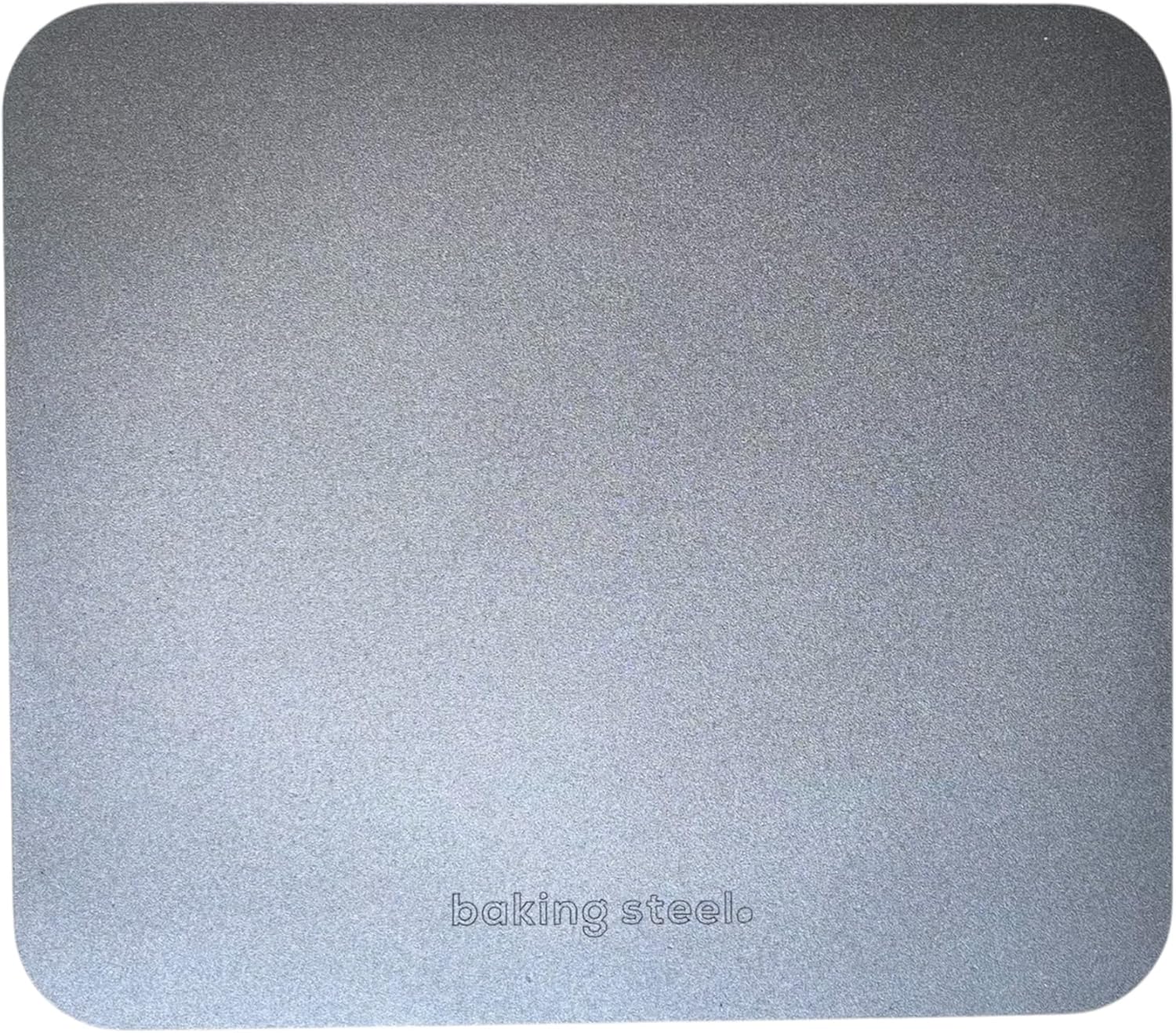
Making artisan-style pizza at home requires intense heat transfer, which traditional ceramic stones often fail to deliver consistently. A 1 4 inch pizza steel changes this dynamic by offering vastly superior thermal conductivity compared to standard baking stones. These heavy-duty metal cooking plates hold thermal energy exceptionally well, allowing home cooks to recreate wood-fired results right in a standard kitchen oven.
Because they are forged from durable carbon or low-carbon steel, these slabs will never crack or shatter from thermal shock. Selecting the right model depends on your specific oven dimensions, desired cooking surface area, and whether you prefer a pre-seasoned finish or prefer to season the metal yourself.
As an Amazon Associate, StacyLaughs earns from qualifying purchases.
Buying guide
Sizing Your Oven Interior
Before choosing a cooking steel, carefully measuring your oven interior depth, width, and rack clearance is an essential first step. Because these heavy metal plates retain and radiate heat so effectively, selecting a size that leaves adequate space around the edges ensures proper airflow. Without sufficient clearance, heat circulation can become restricted, leading to uneven baking results across your oven cavity.
Standard full-size kitchen ranges easily accommodate large 16-inch models without issue. However, compact, apartment-sized, or European-style kitchen appliances typically require smaller dimensions, such as 13 or 14 inches, to maintain proper heat movement. Always check manufacturer specifications against your specific appliance dimensions before making a final purchasing decision to guarantee a comfortable fit.
Understanding Thickness and Weight
The quarter-inch thickness represents the ultimate sweet spot for home baking because it effectively balances high thermal retention with manageable daily weight. Thicker metal slabs can hold significantly more thermal energy for continuous back-to-back baking sessions, but they require much longer preheating periods and add considerable heft to your cookware collection.
Lighter alternatives heat up slightly faster but often lack the deep reserve capacity needed to keep cooking temperatures stable when multiple pizzas go into the oven sequentially. Weighing between thirteen and eighteen pounds, a standard quarter-inch slab requires a sturdy oven rack and a conscious, careful lifting technique during routine kitchen cleanup and storage.
Pre-Seasoned Versus Raw Steel Surfaces
Some carbon steel baking plates arrive pre-seasoned with protective oils, allowing you to start baking artisan recipes immediately without any initial preparation. Other versions ship shot-blasted or completely bare, requiring a simple home seasoning process involving a thorough wash, an even application of cooking oil, and a dedicated baking cycle in your oven.
Both surface approaches eventually develop a natural, dark non-stick patina that improves with every single use over time. Choosing between them depends entirely on whether you value immediate plug-and-play usability or enjoy building up a seasoned surface from scratch. Your personal preference for convenience versus traditional maintenance will dictate which style fits your kitchen habits best.
Managing Heat Transfer and Preheating Times
Metal cooking plates transfer thermal energy significantly faster than traditional ceramic stones, reaching high cooking temperatures in minimal time. However, achieving an authentically crisp, blistered crust still requires a substantial preheating period of forty-five to sixty minutes inside a properly heated oven to fully saturate the dense material with heat.
This extended preheating window allows the heavy steel slab to absorb enough thermal energy to cook delicate dough rapidly from the bottom up upon contact. Skipping this vital preheating step will significantly reduce the performance advantages that make these conductive metal plates so popular among home pizza enthusiasts and artisan bread bakers alike.
Multi-Surface Cooking Versatility
Beyond baking standard round pizzas, these heavy-duty metal slabs perform exceptionally well across a wide variety of domestic heat sources, including outdoor charcoal grills, backyard campfires, and indoor gas or electric stovetops. Their durable low-carbon or carbon steel construction handles direct open flames easily without ever risking thermal shock breakage or structural warping.
You can easily use these versatile plates as flat-top griddles to sear smash burgers, roast garden vegetables, or bake rustic sourdough loaves and flatbreads. This multi-surface adaptability expands their practical kitchen utility far beyond traditional pizza night into everyday meal preparation across many different cooking environments and appliances throughout your home.
Maintenance and Cleaning Practices
Maintaining a carbon steel cooking plate requires simple hand washing with warm water rather than harsh dish soap or automated dishwashers, which can easily strip the developed seasoning layer over time. Thoroughly drying the metal surface completely after washing prevents any unwanted moisture accumulation or surface rust formation during routine storage periods.
Applying a very light coat of cooking oil after drying helps preserve the non-stick patina and protects the underlying metal surface during long-term storage. Following these straightforward manufacturer maintenance guidelines ensures your baking plate remains highly durable, rust-resistant, and performs reliably for a lifetime of enjoyable homemade cooking adventures.
Frequently asked questions
How does a pizza steel compare to a ceramic pizza stone?
A pizza steel offers significantly higher thermal conductivity than a ceramic stone, transferring heat into dough much faster to produce a crispier crust at standard home oven temperatures. Furthermore, solid steel is virtually indestructible and will never crack or shatter from thermal shock, unlike fragile ceramic alternatives that can break under sudden temperature shifts. However, steel plates are generally heavier than stones, requiring careful handling when placing them onto or removing them from your oven racks.
Do I need to season my pizza steel before using it?
Seasoning requirements depend entirely on the specific product you purchase. Some baking steels arrive pre-seasoned with oils and are ready to cook right out of the box, saving you initial preparation time. Other models ship shot-blasted or raw, meaning you must wash them, apply a thin coat of cooking oil, and bake them in your oven for about an hour before first use. Over time, both types develop a natural non-stick patina that improves with repeated cooking sessions.
Can I use a baking steel on an outdoor grill or stovetop?
Yes, most heavy-duty carbon or low-carbon steel baking plates are explicitly designed for versatile multi-surface cooking applications. You can place them securely over open flames on charcoal or gas grills to bake artisan pizzas or flatbreads outdoors. Additionally, many square models fit comfortably across dual burners on standard gas or electric stovetops, functioning effectively as flat-top griddles for searing smash burgers, making breakfast foods, or roasting vegetables without warping under direct heat.
How do I clean and maintain my carbon steel baking plate?
Cleaning a carbon steel cooking plate requires simple hand washing with warm water and a brush, avoiding harsh dish soaps or automated dishwashers that can strip the seasoned surface. After washing, it is critical to dry the metal completely to prevent any moisture buildup or rust formation. Finally, rubbing a very thin layer of cooking oil across the surface before storing it helps maintain the non-stick patina and protects the bare metal over time.
How long should I preheat my oven with the steel inside?
To achieve optimal results and a properly crisp crust, you should preheat your oven with the baking steel inside for forty-five to sixty minutes. Because steel is dense and absorbs a massive amount of thermal energy, this extended preheating window ensures the entire plate reaches peak temperature. Skipping this vital step prevents the metal from transferring enough heat to the bottom of your dough, resulting in a less evenly baked pizza crust.