Appliances · Buying Guide
Best 1 Ounce Measuring Spoon Choices for Your Kitchen
Finding the right tool for precise dry and liquid portions matters whether you are baking, brewing coffee, or serving family meals. A one ounce measuring spoon or equivalent thirty milliliter capacity tool provides consistent amounts for everyday recipes, helping you maintain repeatable results across various kitchen tasks without guesswork or constant ingredient adjustments.
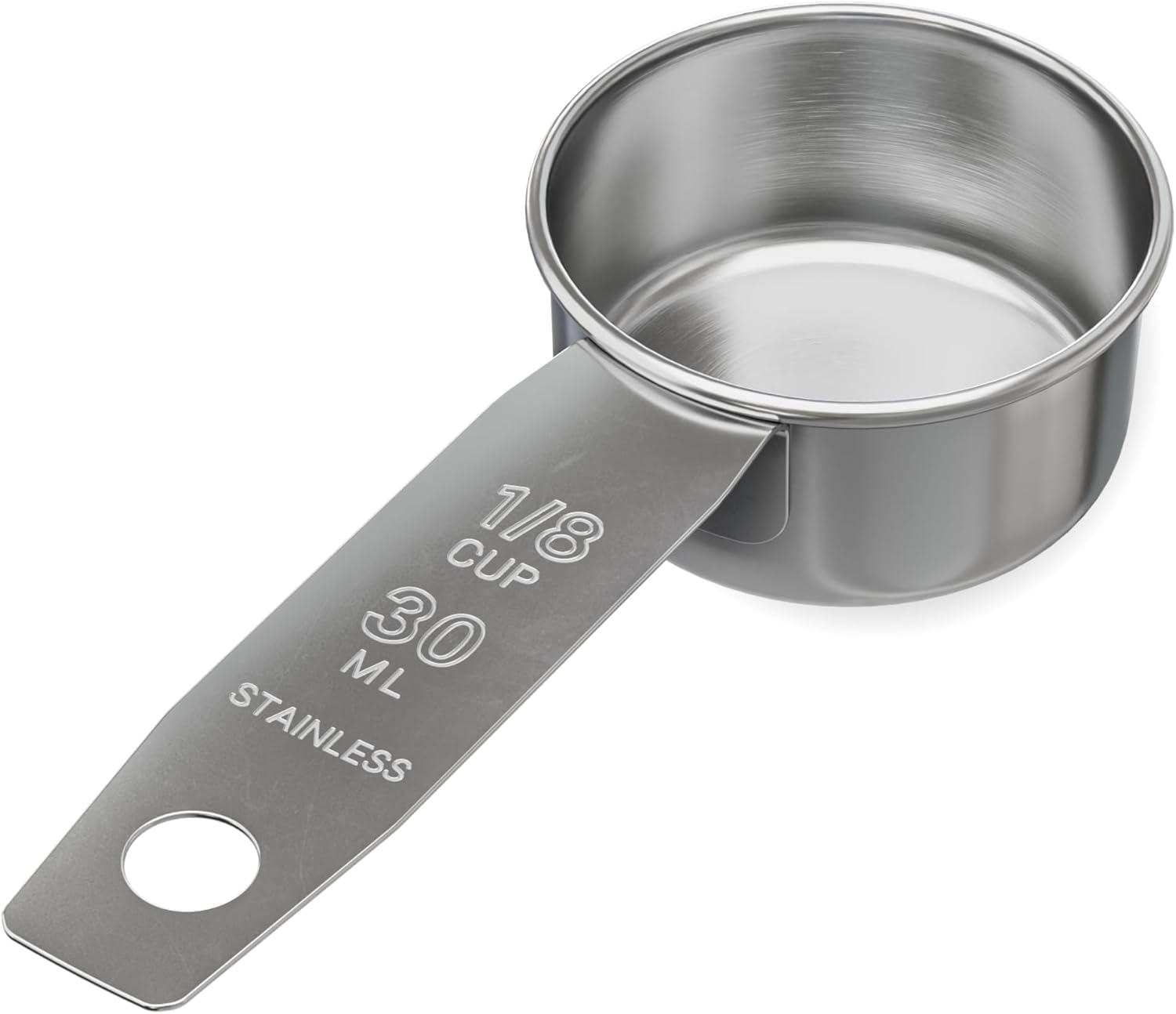
Different designs offer distinct material advantages, ranging from durable stainless steel models with clear engraved markings to specialized plastic scoops, short-handled portioners, and flat-bottom cups. Evaluating handle lengths, physical dimensions, and bowl shape profiles helps you select a reliable utensil that fits your cabinet storage setup and matches your specific ingredient handling routines and personal preferences.
As an Amazon Associate, StacyLaughs earns from qualifying purchases.
Buying guide
Material Selection
Choosing the right material for your measuring spoon impacts long-term durability, daily maintenance, and overall kitchen performance. Stainless steel models resist rust, corrosion, staining, and odor absorption, offering sturdy performance for wet and dry ingredients alike. They withstand frequent dishwasher cycles without degrading or losing their polished structural finish over years of regular use.
Plastic options provide a lightweight alternative that remains easy to handle, economical, and convenient for pantry storage. While plastic materials may show surface scuffs or discoloration over time when exposed to dark coffee grounds or vibrant spices, BPA-free variants provide safe food contact for daily dry goods, protein powders, and supplement containers without adding heavy metal weight.
Handle Length and Container Reach
Evaluating handle length ensures your measuring spoon reaches the bottom of your storage containers easily without requiring awkward tilting. Long handles measure around four inches or more, allowing you to scoop from deep bags, tall flour canisters, and narrow jars without getting your fingers coated in powdery ingredients during daily food preparation routines.
Short handles save space in compact drawers and prevent leverage strain during heavy scooping tasks. However, short utensils require tipping containers or transferring contents into wider mouths to access the last remaining portions of flour or coffee grounds safely. Measuring your container openings before purchasing helps avoid frustrating compatibility issues in your overall pantry setup.
Capacity and Unit Markings
A true one-ounce measuring spoon typically equates to roughly two tablespoons or thirty milliliters of exact volume capacity. This standardized measurement supports accurate portions for coffee brewing, baking recipes, protein powder supplements, and liquid sauces. Having exact volumetric consistency ensures your recipes turn out correctly every single time you cook or bake at home or work.
Look for embedded or deeply etched markings that display both imperial and metric units clearly on the handle or bowl surface. Painted or printed measurements often rub off after repeated dishwasher cycles, whereas engraved text remains legible over years of consistent kitchen use. Clear labels prevent guesswork when measuring dry powders and liquid ingredients alike.
Bottom Shape and Ingredient Handling
The shape of the spoon bowl influences how efficiently you can handle various ingredients in your kitchen. Flat-bottom designs make it easy to spread sauces, level off dry powders against container rims, and rest the spoon stably on countertops without tipping over. This geometry provides extra versatility for everyday kitchen tasks involving thick condiments and toppings.
Rounded bowls transfer liquids smoothly and scoop loose materials like rice or flour without trapping ingredients in sharp corners. Selecting the appropriate bowl geometry depends on whether you primarily measure dry powders, viscous sauces, or liquid portions during daily meal preparation routines. Matching the physical shape to your recipes improves overall efficiency.
Storage and Cleaning Convenience
Keeping your measuring spoons organized prevents cluttered drawers and saves valuable time during busy cooking sessions. Models featuring built-in hanging holes allow you to store utensils neatly on wall racks, hooks, or right near your coffee machine for fast daily retrieval. This immediate accessibility ensures your favorite measuring tool is always within reach.
Dishwasher-safe construction simplifies cleanup after measuring sticky liquids, cooking oils, or dense protein powders. Smooth stainless steel and durable plastic surfaces rinse easily under running water, ensuring food residue does not build up over extended periods. Choosing easy-to-clean materials reduces maintenance effort and keeps your kitchen gear hygienic for everyday family food preparation.
Multi-Pack versus Single Tool Needs
Deciding between a single measuring spoon and a multi-pack depends on how many different ingredients you measure regularly throughout the week. Multi-packs allow you to dedicate individual scoops to separate canisters like coffee, flour, sugar, and protein powder without needing to wash the tool between different ingredient tasks. This setup saves valuable preparation time.
Single-tool options suit kitchens with minimal storage space or shoppers looking for a direct replacement part for a lost utensil. Evaluating your daily baking and cooking habits helps determine whether having multiple backup scoops justifies the extra drawer space required for storing several matching metal utensils. Keeping your collection streamlined prevents unnecessary kitchen clutter.
Frequently asked questions
How many tablespoons are in a 1 ounce measuring spoon?
A standard one ounce measuring spoon typically holds exactly two tablespoons or approximately thirty milliliters of volume capacity. This standardized measurement applies to both dry powders and liquid ingredients, though the actual weight of the contents will vary depending on the density of the specific item you are measuring. For precise gram weight requirements in baking or supplement routines, using a dedicated kitchen scale remains recommended over volume scoops alone to ensure accuracy.
Can stainless steel measuring spoons go in the dishwasher?
Most stainless steel measuring spoons are fully dishwasher safe, allowing for convenient cleanup after handling sticky sauces, cooking oils, or fine powders like flour and coffee grounds. Stainless steel materials resist rust, corrosion, and staining during regular wash cycles. However, checking specific manufacturer guidelines helps ensure your utensil handles high heat settings safely, while smooth metal surfaces also make manual rinsing under running water a quick alternative.
Are long handles better for deep canisters?
Long handles provide a distinct advantage when you need to reach deep into storage bags, tall flour canisters, or narrow protein powder jars without getting your fingers dirty. A longer stem allows your hand to remain safely outside the container opening during daily scooping tasks. Conversely, if you store ingredients in shallow jars or have limited drawer space, shorter handles or compact measuring cups can fit more easily without taking up excessive room.
Do engraved measurements wear off over time?
Deeply engraved or embedded measurements are designed to remain legible even after repeated dishwasher cycles and continuous daily use in the kitchen. Unlike painted or printed markings that can fade, rub off, or dissolve when exposed to harsh detergents and hot water, stamped or etched text physically indents the metal or plastic surface. This permanent marking method ensures you can always identify the exact capacity of your measuring spoon over years of service.
What is the difference between a portioner and a measuring spoon?
A food portioner often features a mechanical trigger or a heavy-duty solid handle with a stop-notch designed for restaurant service and portion control of rice, meat, or sauces. In contrast, standard measuring spoons are typically lighter utensils intended for baking recipes, coffee grounds, and pantry dry goods. While both may share a one-ounce capacity, portioners usually include specialized ergonomic grips and robust metal builds tailored for frequent commercial or home serving tasks.