Appliances · Buying Guide
Best 12 Inch Pie Pan Choices for Home Baking and Catering
Selecting a dependable baking vessel ensures that your pastry crusts brown evenly and maintain their structural integrity during slicing and serving tasks. A twelve-inch format comfortably accommodates large family-sized portions, deep fruit fillings, layered desserts, and savory pot pies without risking overflow over wire edges during the active baking process.
Various construction materials provide distinct advantages, ranging from heavy-duty carbon steel and anodized aluminum to convenient disposable foils and multi-pack stainless steel trays. Reviewing these options allows you to match your specific cooking habits, storage constraints, and cleanup preferences to the ideal bakeware solution for your daily kitchen routine and entertaining needs.
As an Amazon Associate, StacyLaughs earns from qualifying purchases.
Buying guide
Material Selection for Heat Conduction
Choosing the correct material for your twelve-inch baking dish directly influences how evenly your pastry crust browns during baking. Anodized aluminum and heavy carbon steel provide superior thermal conductivity, ensuring that heat transfers rapidly and uniformly across the entire base of the pan. This performance helps prevent undercooked centers or soggy bottoms in rich fruit tarts, quiches, and savory pot pies.
Stainless steel offers robust durability and corrosion resistance for general oven tasks, whereas disposable aluminum foil provides lightweight convenience for single-use catering and gift giving. Understanding how each metal behaves under varying heat loads allows you to select a construction that matches your preferred baking recipes, maximum temperature limits, and structural expectations.
Understanding Depth and Capacity Dimensions
Evaluated dimensions dictate exactly how much filling a twelve-inch baking pan can securely hold without boiling over onto the oven floor. Standard pie dishes often feature shallow profiles near one and a quarter inches, which suit traditional fruit fillings and classic dessert proportions. Deeper options reaching one and a half inches or more comfortably accommodate towering layered creations and thick savory pot pies.
Matching the pan depth to your specific recipe requirements prevents messy oven spills and structural collapses during baking. When reviewing sizing specifications, check both the top outer rim and bottom interior diameters to ensure the pan fits your oven racks and yields the correct portion sizes for your household or entertaining events.
Rim Design and Crust Shaping
The physical rim style of a baking pan plays a vital role in both handling safety and pastry presentation tasks. Wide, flat rims offer secure finger grips when moving heavy loaded pans in and out of hot ovens with thick oven mitts. Fluted or rippled edges assist bakers in crimping decorative crusts to achieve classic artisan aesthetics during family dinner parties.
Selecting a rim profile that aligns with your decorative goals makes finishing your homemade pies much easier and more visually appealing. Whether you prefer classic fluted edges for buttery tart crusts or smooth flat rims for secure transport, the right rim design successfully combines practical kitchen safety with professional-looking presentation results.
Cleanup and Maintenance Requirements
Maintaining your bakeware properly extends its operational service life and preserves its cooking performance over years of frequent use. Some metal pans require manual hand washing to protect specialized finishes, while other models tolerate standard dishwasher cycles for maximum daily convenience. Reviewing manufacturer care guidelines prevents accidental damage to delicate non-stick coatings or bare metal surfaces during cleaning.
Choosing between hand-washed metals and dishwasher-safe options depends entirely on your personal kitchen routine and daily time constraints. Selecting low-maintenance materials saves effort after large family gatherings, whereas dedicated hand-washing routines can preserve specialized professional-grade surface finishes for frequent home bakers who prioritize long-term durability and uncompromised bakeware reliability in the kitchen.
Storage Efficiency and Stackability
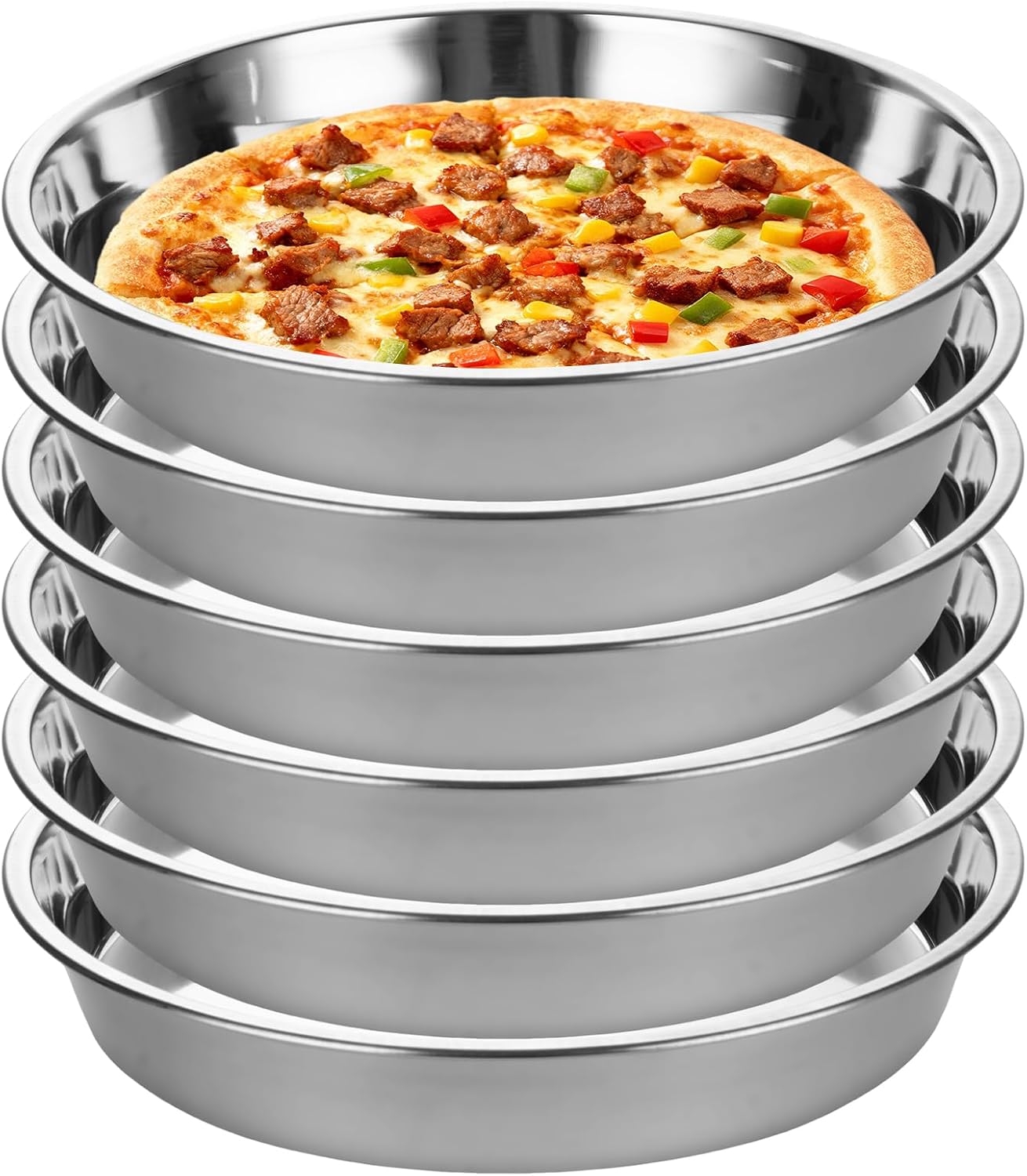
Kitchen cabinet space is often at a premium, making stackable bakeware designs an important practical consideration for home cooks and professional caterers alike. Pans with symmetrical side walls and uniform diameters nest neatly together inside one another, eliminating messy clutter on your storage shelves. This efficient storage format is especially beneficial if you own multiple matching baking trays or sets.
Evaluating how your bakeware stores away prevents crowded kitchen cupboards and makes retrieving the right pan much faster during busy meal preparation sessions. Multi-pack sets and stackable commercial pans offer distinct organizational advantages over bulky, misaligned dishes, helping keep your baking supplies orderly, protected, and easily accessible for everyday cooking projects.
Special Features and Versatility
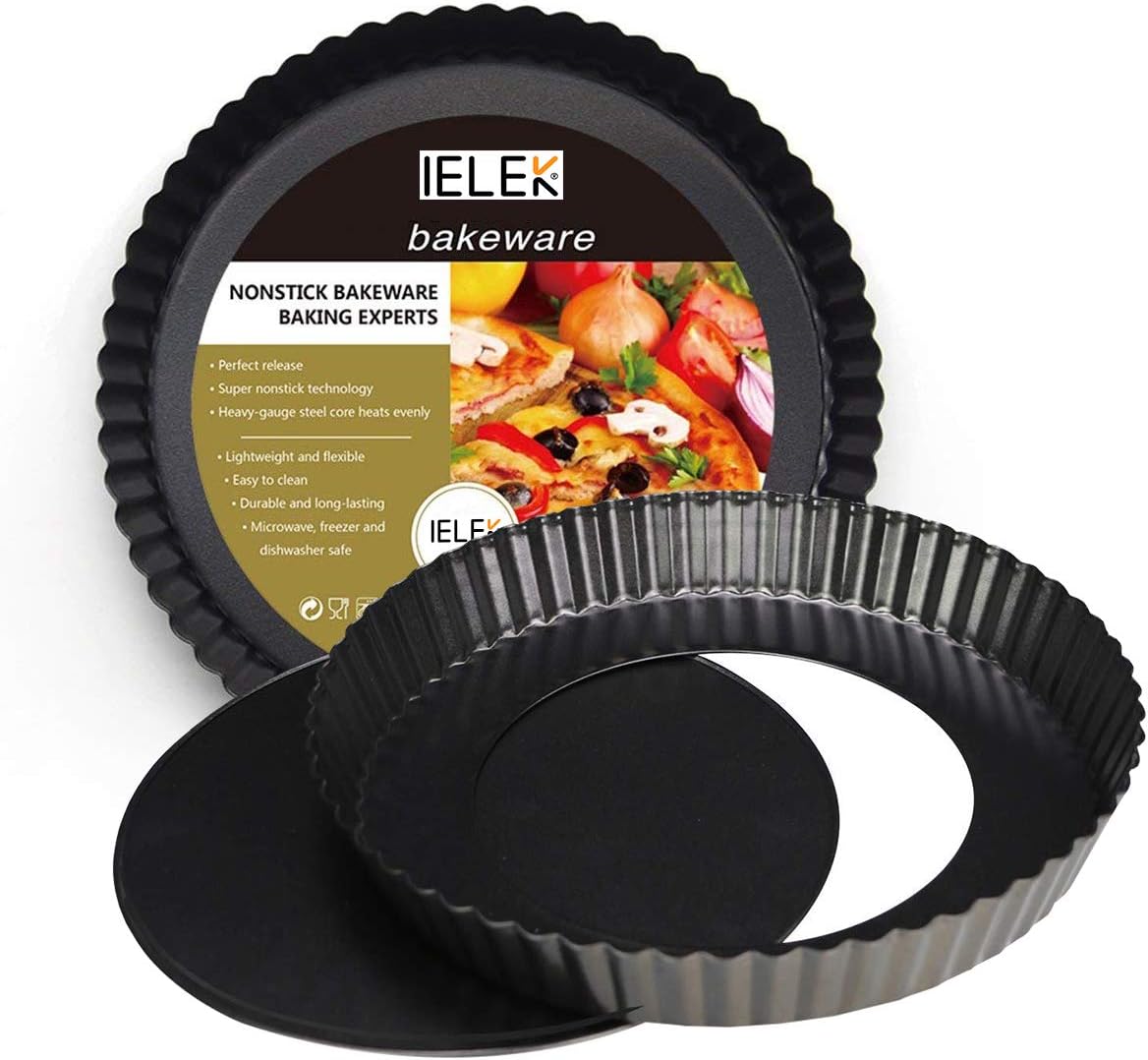
Modern twelve-inch baking pans often include special features like removable loose bottoms or disposable foil builds to solve specific kitchen challenges and tasks. Removable bases allow delicate tarts and quiches to slide out cleanly onto serving platters without breaking the fragile crust edges. Meanwhile, disposable foil provides instant convenience for outdoor parties, bake sales, and thoughtful gift-giving occasions.
Assessing these functional additions helps you choose a pan that adapts to multiple culinary tasks far beyond standard dessert baking routines. Whether you need oven-to-freezer capability or multi-pack versatility for batch cooking, identifying these built-in attributes ensures your bakeware supports your exact lifestyle needs and entertaining schedules throughout the year.
Frequently asked questions
What recipes work best in a 12 inch pie pan?
A twelve-inch pie pan is ideally suited for large family-sized sweet fruit pies, deep savory pot pies, quiches, and large tarts that require extra surface area. The larger diameter accommodates generous portions compared to standard nine-inch pans, making it a great choice when feeding a crowd or preparing meals for gatherings. However, you should check your recipe proportions, as standard recipes written for smaller pans may need scaling up to fill the twelve-inch footprint properly without leaving too much empty space along the edges.
Are aluminum pie pans safe for citrus-based fillings?
Certain anodized aluminum pans are specifically engineered to be safe for citrus-based foods, resisting the chemical reactions that can occur with traditional untreated aluminum bakeware. When baking lemon meringue pies or lime tarts, checking the manufacturer specifications ensures your chosen pan will not pit, discolor, or impart metallic flavors into acidic ingredients. Anodized surfaces seal the metal effectively, providing a reliable cooking environment for both sweet citrus fillings and savory tomato-based quiches without compromising safety or taste.
How do removable bottom tart pans work?
Removable bottom tart pans feature a two-piece design consisting of a fluted outer ring and a flat loose metal disc that fits snugly inside the base. After baking your tart or quiche, you simply place the pan on top of an inverted can or bowl and gently push or lower the outer ring downward. The delicate pastry crust and filling remain intact on the flat metal base, allowing you to easily slide the finished dessert directly onto a serving dish or platter.
Can disposable aluminum foil pie pans go in the freezer?
Many heavy-gauge disposable aluminum foil pie pans are certified freezer safe, allowing you to prepare unbaked or baked pies in advance and store them directly at low temperatures. This feature makes disposable tins particularly convenient for holiday meal prep, batch cooking, or gifting frozen unbaked desserts to friends and family. Always verify that your specific foil pans are rated for low-temperature storage, and wrap them securely to prevent freezer burn while preserving the quality of your crusts and fillings.
How should I clean and maintain metal pie pans?
Proper maintenance depends heavily on the specific metal construction and surface coating of your pie pan. Many professional-grade anodized aluminum and disposable foil pans recommend manual hand washing to preserve their finishes, while carbon steel and stainless steel models often tolerate dishwasher cleaning routines. Always consult the manufacturer care instructions before placing any bakeware in the dishwasher. Using non-abrasive sponges and mild dish soaps helps prevent scratching, ensuring your pans maintain their cooking performance and appearance over years of baking.