Appliances · Buying Guide
Best 18 Inch Pizza Stone Options for Crispy Crusts and Large Bakes
Baking large pizzas and multiple loaves of artisan bread at home requires stable, high-heat cooking surfaces that mimic traditional brick ovens. An 18 inch pizza stone provides the expansive surface area needed for large family gatherings, pizza parties, or baking several items simultaneously without crowding your cooking appliance chamber.
Constructed primarily from durable cordierite or high-quality ceramic materials, these heavy-duty stones excel at absorbing excess moisture from raw dough and distributing heat evenly across the entire baking surface. Choosing the right shape, thickness, and overall dimensions ensures your homemade baked goods develop a uniformly crisp crust while fitting comfortably inside your specific oven space.
As an Amazon Associate, StacyLaughs earns from qualifying purchases.
Buying guide
Measuring Oven and Grill Dimensions
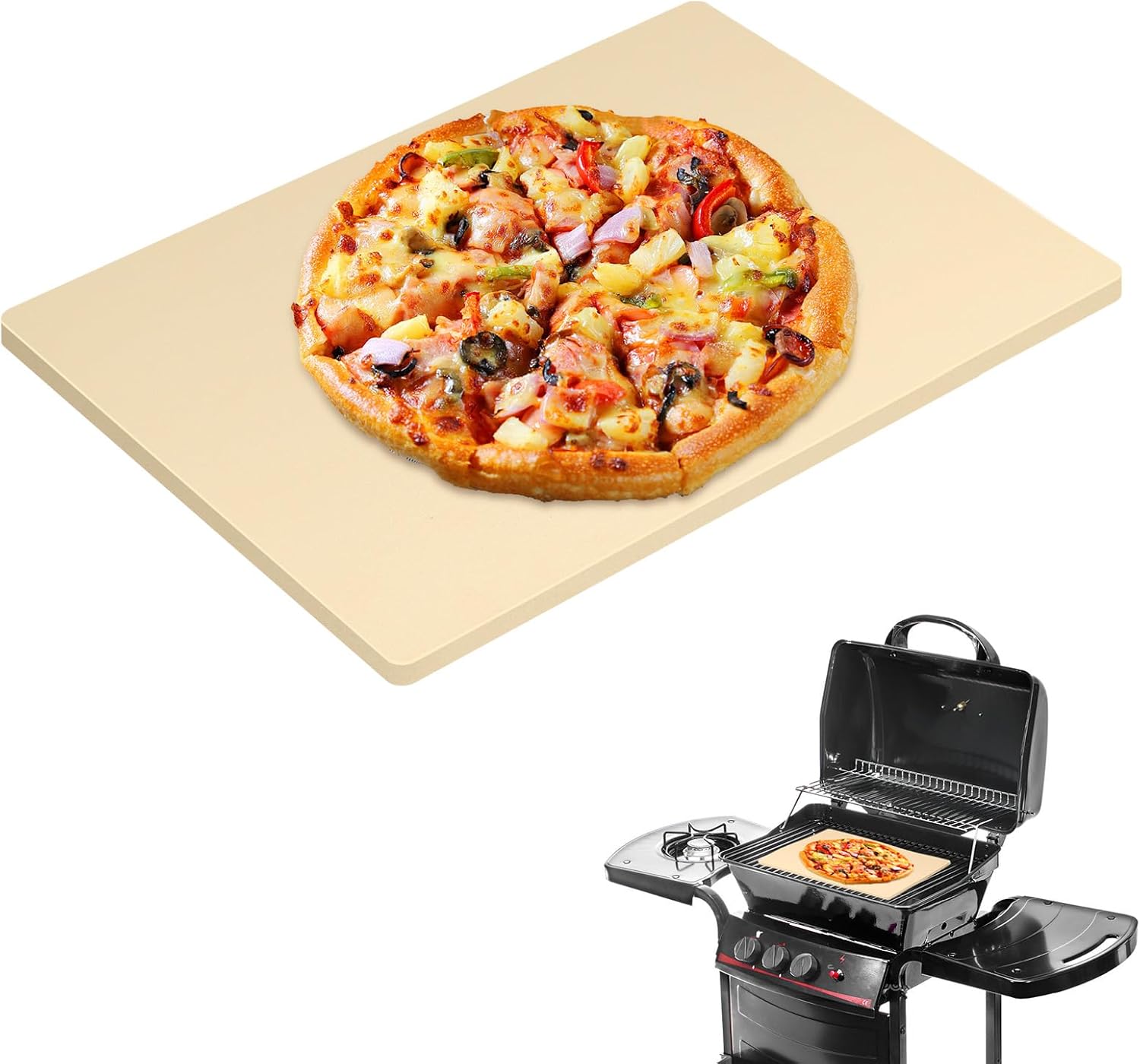
Before purchasing an 18 inch pizza stone, measuring your oven interior or grill cooking grate is an essential first step. These stones take up substantial horizontal space, and misjudging your appliance dimensions can prevent the door from closing or block crucial heat circulation. Always check both width and depth to ensure adequate clearance around all outer edges.
Remember that proper airflow is necessary for maintaining consistent baking performance throughout the chamber. If a stone fits too snugly against the interior oven walls, it may trap heat unevenly or cause temperature regulation issues. Taking precise measurements beforehand saves you from handling storage challenges once your heavy stone arrives.
Material Composition and Thermal Performance
Cordierite and high-grade ceramic represent the primary materials used for quality baking stones due to their exceptional thermal shock resistance and overall structural durability. These dense compositions allow the stone to endure extreme operating temperatures safely without cracking when exposed to rapid temperature shifts inside hot home ovens or outdoor grills during heavy baking sessions.
Understanding how these durable materials handle heat helps you achieve consistent cooking results every single time you bake. Cordierite absorbs thermal energy efficiently and releases it at a steady rate, successfully mimicking traditional brick ovens. This physical characteristic is what helps transform standard homemade pizza dough into a remarkably crisp, golden-brown crust without sogginess.
Selecting Shape and Configuration
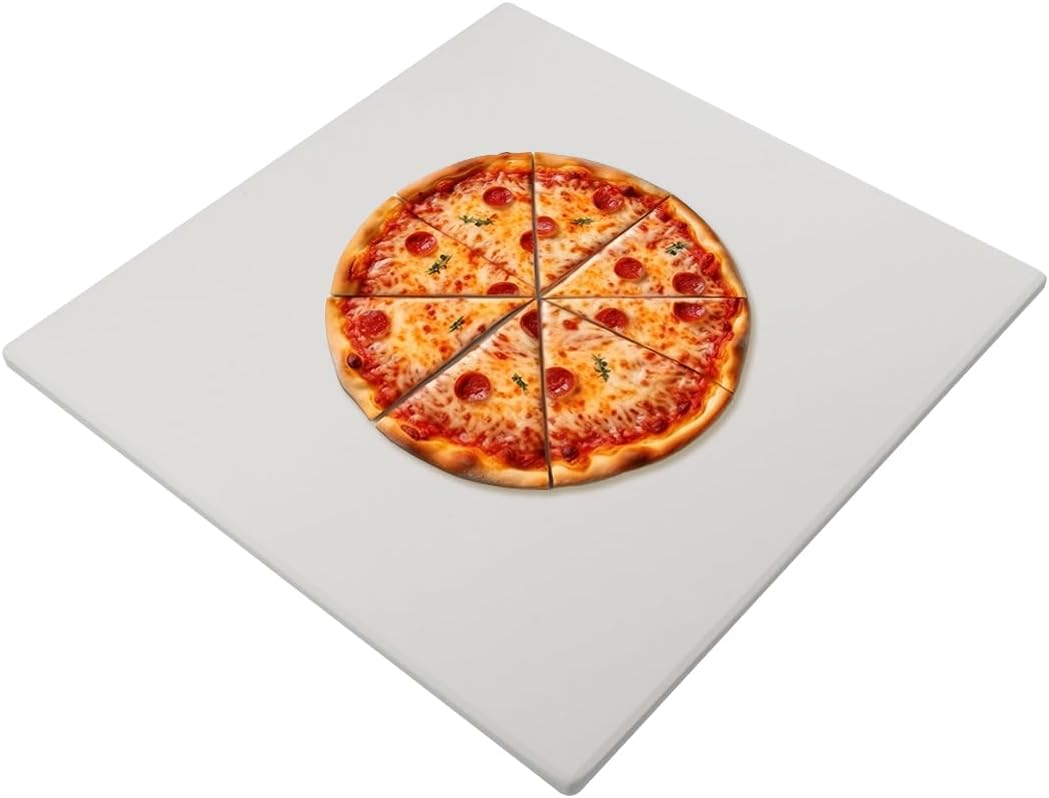
Choosing between a round or square pizza stone depends largely on your specific baking habits and the types of food you prepare most often. Round stones naturally match circular pizzas, while square or rectangular stones offer broader layouts that easily accommodate multiple items, loaves of artisan bread, or rectangular pastries at the same time without crowding.
Square and rectangular options also maximize the available corners of standard square oven racks, giving you significantly more usable surface area for larger baking batches. Consider what you bake most frequently to determine which geometric shape offers the best practical advantages for your everyday kitchen routine, storage space, and overall meal preparation style.
Moisture Absorption and Crust Quality
One of the primary technical advantages of using a porous stone is its natural ability to absorb excess moisture from raw dough during the baking process. Traditional metal baking pans often trap moisture underneath the crust, leading to unwanted sogginess. A cordierite or ceramic stone draws this moisture away almost instantly upon direct contact with the dough.
This active moisture absorption results in a significantly lighter, crispier crust that closely resembles traditional brick-oven cooking methods. If achieving a golden, crunchy texture on your homemade pizzas and artisan breads is a top priority, investing in a porous stone provides a clear performance advantage over standard metal bakeware alternatives in your home kitchen routine.
Cleaning and Maintenance Requirements
Proper maintenance is essential for preserving the structural lifespan and reliable cooking performance of your baking stone. Because cordierite and ceramic materials are highly porous, they can easily absorb liquids, harsh soaps, and cooking oils. Manufacturers universally advise strictly against using dish soap or chemical detergents during any routine cleanup process to prevent unpleasant odors during future baking cycles.
Instead, always allow the stone to cool completely before wiping or scraping away residual food debris using warm water and a damp cloth or stiff brush. Surface discoloration and stains will naturally accumulate over time, but these marks are completely normal and actually help improve the non-stick qualities of the stone without requiring artificial seasoning oils.
Weight and Handling Considerations
Extra large 18 inch baking stones possess substantial physical weight, particularly dense cordierite models and oversized rectangular variants that can weigh over twenty pounds. Handling a heavy stone requires careful planning and two hands, especially when loading and unloading items from a blazing hot oven or outdoor grill chamber during busy cooking sessions.
Considering your own physical comfort with heavy cookware is an important purchasing factor before committing to an oversized stone model. Ensure you have stable shelving or a dedicated storage spot capable of supporting heavy stoneware safely and securely, reducing the risk of accidental drops or awkward handling difficulties in your home kitchen environment.
Frequently asked questions
Can I use soap to clean my 18 inch pizza stone?
No, you should never use soap, dish detergent, or chemical cleaners on a cordierite or ceramic pizza stone. Because these baking stones feature a highly porous structure, they readily absorb liquids and chemical residues. If you wash the stone with soap, those chemicals will become trapped inside the material and release unpleasant odors or tastes into your food during subsequent baking sessions. Instead, always clean the cooled stone using warm water and a stiff brush or damp cloth only.
Do I need to season my pizza stone with oil or grease?
You should never season an 18 inch cordierite or ceramic pizza stone with oil, grease, or butter. Applying oils to a porous baking stone can cause the fats to burn, turn rancid, or create unpleasant odors and smoke when heated to high temperatures in your oven or grill. Over time, normal use will naturally darken the stone and create a seasoned non-stick surface organically without requiring any artificial grease or pre-treatment before baking.
What causes dark stains on a pizza stone, and are they normal?
Dark stains and discoloration on an 18 inch pizza stone are entirely normal occurrences that develop over time with regular use. As you bake pizzas, breads, and pastries, microscopic food particles and natural oils from dough come into contact with the porous stone surface. These marks do not affect the performance or cleanliness of the stone. In fact, seasoned bakers consider these accumulated stains a sign of a well-used stone that aids in non-stick baking performance.
How do I prevent my pizza or bread from sticking to the stone?
To prevent food from sticking to an 18 inch pizza stone, avoid using oils or greases, which can ruin the porous surface. Instead, rely on dusting the stone or your pizza peel with cornmeal, semolina flour, or regular flour before launching your dough onto the hot surface. Additionally, allowing the stone to heat up thoroughly inside the oven or grill before placing your food on it helps create a proper cooking base that naturally minimizes sticking.
Will an 18 inch pizza stone fit in a standard home oven?
While an 18 inch pizza stone is designed to maximize baking space, whether it fits depends entirely on the specific interior dimensions and rack layout of your home oven or grill. Because these large round or square stones take up significant horizontal room, you must measure your oven cavity width and depth carefully before purchasing. Ensuring adequate clearance around all edges prevents placement friction and maintains proper airflow inside the baking chamber.