Appliances · Buying Guide
Best 3 Tier Cookie Racks for Efficient Batch Baking
Baking large batches of homemade cookies requires smart organization, especially when kitchen counter space is limited during busy holiday baking projects, family gatherings, or weekend meal prep sessions. Multi-tiered cooling racks solve this common problem by stacking vertically, allowing dozens of freshly baked goods to cool simultaneously without crowding your precious countertops and workspace.
Choosing the right model depends heavily on material preferences, oven safety temperature limits, wire grid spacing, and overall storage needs in your kitchen cabinets or drawers. Robust metal construction and protective coatings further influence how easily delicate treats release and how simple cleanup becomes after completing a productive baking session for family and friends.
As an Amazon Associate, StacyLaughs earns from qualifying purchases.
Buying guide
Material Selection and Durability
Choosing the correct metal material dictates how long your cooling rack will last and how well it handles heavy bakes. Stainless steel offers exceptional rust resistance and handles high oven temperatures without warping, making it ideal for versatile kitchen tasks. Selecting durable stainless steel ensures your equipment withstands daily use, frequent washing, and heavy food weights without bending out of shape over the years.
Coated steel and heavy-gauge options provide sturdy support and even heat distribution. While non-stick coatings make food release effortless, they require gentle cleaning practices to prevent surface scratching. Assessing your typical baking frequency, favorite recipes, and cleaning preferences helps determine which metal type best suits your everyday kitchen routine and storage environment.
Tier Configuration and Height Settings
Multi-tiered racks maximize vertical counter space by allowing you to stack several baking levels on top of each other in a compact footprint. This vertical arrangement is essential when preparing large batches of cookies, cupcakes, or layered cakes simultaneously during busy holidays. Having multiple levels prevents you from having to wait for one batch to cool before removing the next pan from the oven.
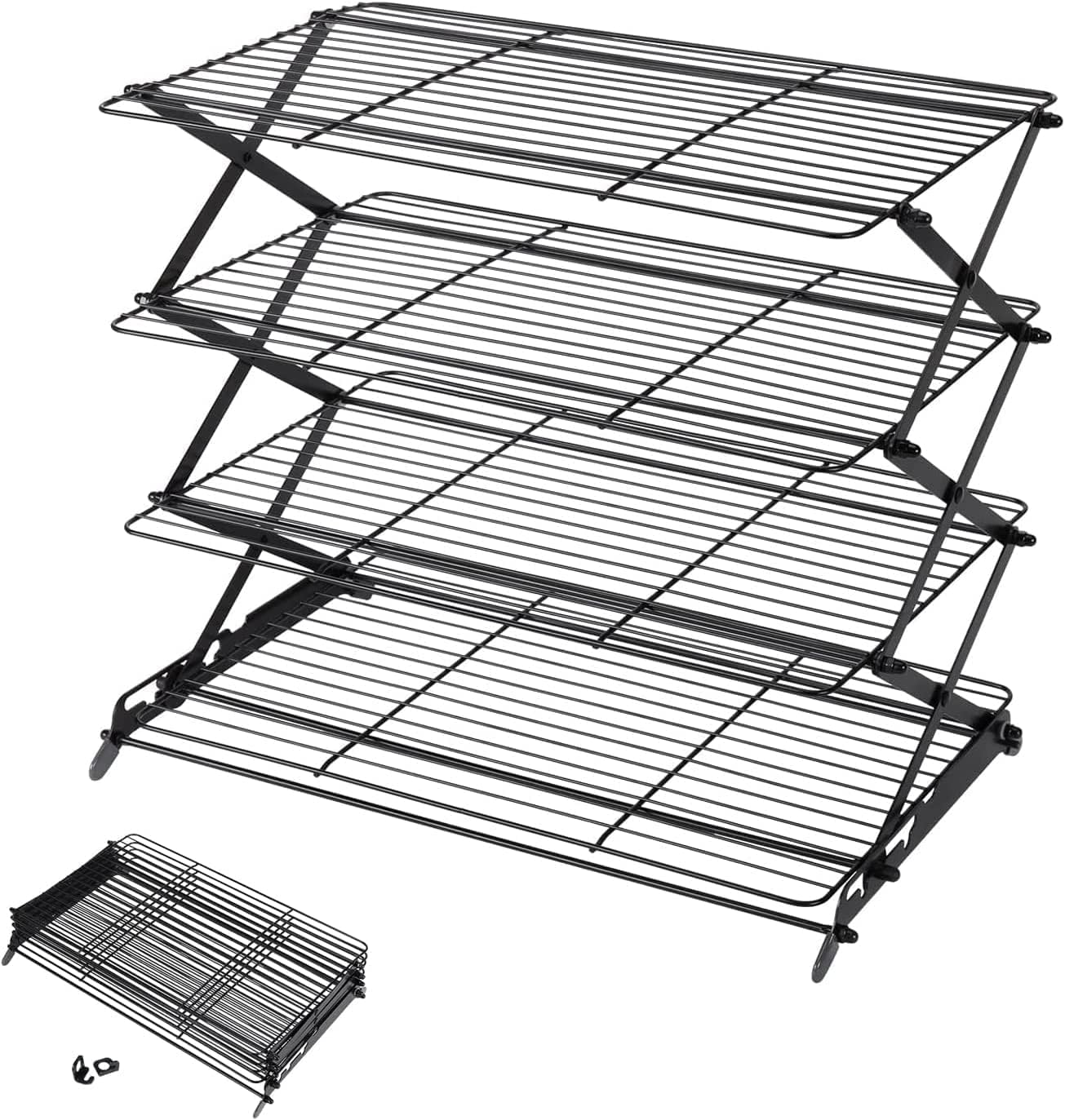
Adjustable height settings and collapsible frames provide valuable flexibility for different kitchen layouts and low-profile storage constraints. Some models offer fixed stacking heights, while others let individual tiers function independently inside standard baking sheet pans. Evaluating your available counter space and batch sizes helps you choose the optimal tier count for your baking style.
Oven Safety and Heat Resistance
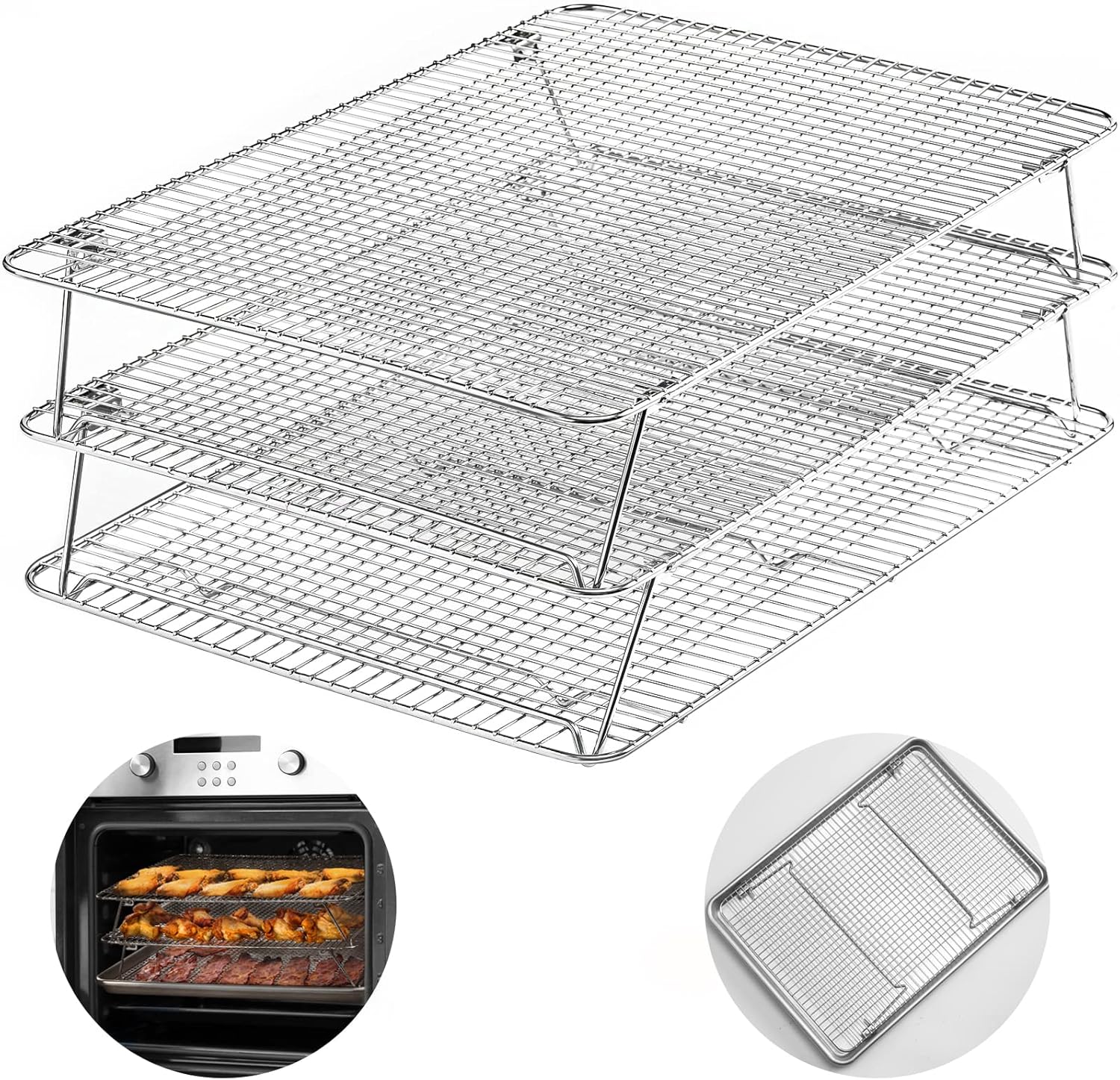
Many modern cooling racks double as roasting and baking tools because they feature oven-safe construction capable of withstanding high cooking temperatures. Checking the maximum temperature rating is crucial if you plan to use your wire racks directly inside a hot oven for roasting vegetables, crisping bacon, or baking meats. High-heat capability expands your culinary versatility beyond simple cooling tasks.
Stainless steel models typically withstand higher heat thresholds, sometimes reaching up to 575 degrees Fahrenheit, without sustaining structural damage or coating degradation. Conversely, standard non-stick coated racks often feature lower manufacturer-recommended temperature limits. Matching the rack heat tolerance to your preferred baking and roasting techniques ensures long-term safety, durability, and reliable performance in your kitchen.
Storage and Collapsibility Options
Kitchen cabinet space is often at a premium, making storage convenience a major factor when purchasing a multi-tier cooling rack system. Fully collapsible models allow both the metal tiers and the support feet to fold completely flat, slipping effortlessly into narrow drawers or tight cabinet spaces when not in use. This fold-flat capability helps keep countertops clean and uncluttered.
Racks that require partial disassembly before storage take up slightly more room but still offer a modular approach to saving kitchen space. Consider how frequently you bake and whether you need an ultra-compact folding design or a sturdy stackable unit that can be tucked away quickly. Evaluating your available storage areas prevents clutter.
Grid Spacing and Wire Design
The physical pattern and spacing of the wires on your cooling rack dictate how well it supports different types of baked goods. Tightly spaced square grids prevent small cookies, delicate macarons, and sliced fruit from slipping through the gaps during the cooling process. Proper wire spacing ensures that your freshly baked creations maintain their shape without distortion.
Traditional parallel wire designs work well for larger items like cakes and pies but might cause smaller baked goods to sag or fall between the bars. A uniform grid pattern also promotes optimal air circulation underneath your treats, preventing unwanted bottom sogginess and ensuring crisp, even cooling results across every single baking batch.
Cleaning and Maintenance Requirements
Maintaining your cooling rack properly extends its functional lifespan and keeps food contact surfaces hygienic for future baking projects. Stainless steel models are typically dishwasher safe, allowing for effortless cleanup after handling sticky glazes, melted sugar, or savory meat drippings from roasted dishes. Choosing dishwasher-friendly materials saves valuable time after long cooking sessions.
Non-stick coated racks often benefit from gentle hand washing in warm soapy water using soft dishcloths or soft brushes to protect the delicate surface finish. Following manufacturer care guidelines prevents premature coating wear, corrosion, and sticking issues, ensuring your equipment remains reliable for years of successful baking adventures in your home kitchen.
Frequently asked questions
Can I put my 3 tier cooling rack directly inside the oven?
Whether you can place your cooling rack inside the oven depends entirely on the specific manufacturer specifications of your chosen model. Many stainless steel and select coated steel racks feature high heat resistance, with some models rated safe up to 575 degrees Fahrenheit for roasting and baking tasks. However, traditional cooling racks lack oven-safe certifications and should be used strictly for cooling tasks at room temperature. Always check the product manual before exposing any wire rack to high heat.
How do I clean stuck-on food from a wire cooling rack?
Cleaning stuck-on food from a wire cooling rack is easiest when you act promptly after your baking session finishes. For stainless steel models, soaking the rack in warm soapy water and scrubbing gently with a utility brush usually removes stubborn residues quickly, and many are fully dishwasher safe. If you are using a non-stick coated rack, avoid harsh metallic scouring pads that can scratch the protective surface, opting instead for non-metal sponges and mild dish soap.
Do multi-tier cooling racks save significant counter space?
Yes, multi-tier cooling racks are specifically engineered to maximize vertical room in kitchens with limited countertop space. By stacking three or four individual wire racks on top of each other, you can cool dozens of cookies, muffins, or cake layers simultaneously within the footprint of a single rack. This vertical organization prevents your kitchen counters from becoming overcrowded when you are baking large batches for family gatherings, holidays, or weekend meal prep projects.
What is the difference between parallel wire and square grid cooling racks?
The primary difference lies in how the wires are arranged and how securely they hold smaller baked goods. Parallel wire racks feature straight lines running in one direction, which works well for large cakes and pies but can allow smaller cookies to slip or sag between the bars. Square grid cooling racks feature intersecting wires with tight spacing, such as three-eighths-inch gaps, which securely hold bite-sized treats and delicate pastries while maintaining uniform airflow.
How should I store my collapsible cooling rack when not in use?
Storing a collapsible cooling rack depends on its specific folding mechanism and your available kitchen storage layout. Fully collapsible models feature folding tiers and support feet that collapse completely flat in seconds, allowing them to slide effortlessly into narrow drawers, next to baking sheets, or into tight cabinet spaces. Racks that require modular disassembly before storage take up slightly more room but still allow you to stack the individual components neatly on a shelf or pantry rack.