Appliances · Buying Guide
Best 4x8 Inch Loaf Pans for Everyday Baking Needs
Finding the right baking pan makes a noticeable difference when preparing homemade yeast breads, quick banana breads, rich pound cakes, meatloaf, or savory casseroles. A standard 4x8 inch loaf pan provides the ideal proportions for smaller baking batches, ensuring your homemade treats rise properly without spreading too thin across standard oven racks. Choosing a reliable vessel helps achieve consistent crust development and even interior textures.
Different materials and structural designs offer distinct advantages, ranging from traditional carbon steel and heavy-gauge steel to lightweight anodized aluminum. Selecting the correct pan depends on your specific recipe requirements, upper temperature resistance needs, multi-pack quantity preferences, and preferred cleanup methods for daily home kitchen use. Understanding these construction differences ensures you find a reliable tool for your baking projects.
As an Amazon Associate, StacyLaughs earns from qualifying purchases.
Buying guide
Material Composition and Heat Conduction
Selecting the right material for your loaf pan heavily influences how your bread crust develops and how evenly the interior bakes. Carbon steel and heavy-gauge steel offer sturdy builds that conduct heat consistently across the entire base. These traditional metals help prevent unwanted hot spots that can scorch delicate batters during extended baking cycles in standard home ovens.
Alternatively, anodized aluminum provides rapid heating and cooling properties, which prevent over-baking in sensitive recipes like quick breads or rich pound cakes. Aluminum models also resist corrosion from citrus-based ingredients. Evaluating your typical recipes helps determine whether steel durability or aluminum thermal responsiveness best serves your daily home baking routine and long-term kitchen goals.
Nonstick Coatings and Surface Safety
Nonstick coatings play a vital role in ensuring your baked goods release smoothly without tearing the crust or leaving stubborn residue behind. Many modern pans feature specialized surfaces designed to simplify food removal after baking yeast breads, savory meatloaves, or dense cakes. These treatments reduce the need for excessive greasing or lining with parchment paper.
Some steel pans incorporate scratch-resistant surfaces that permit the safe use of metal spatulas directly inside the vessel. When reviewing options, check whether the coating requires delicate nylon utensils or tolerates metal tools, as this impacts your serving convenience and everyday kitchen habits. Understanding these coating traits ensures hassle-free portioning and easier maintenance over time.
Pan Capacity and Physical Dimensions
Standard 4x8 inch loaf pans vary slightly in their exact exterior dimensions, wall heights, and total volumetric capacity. While most accommodate standard quick bread recipes, some compact aluminum versions hold around five cups, whereas larger carbon steel options reach up to eight cups. Matching the capacity to your batter volume prevents overflow and ensures proper vertical rise.
Checking these physical dimensions becomes especially important if you plan to use your pan inside alternative appliances like pressure cookers or air fryers. Measuring your appliance cavity beforehand prevents fit issues, ensuring your chosen cookware slides in smoothly without obstructing the lid or heating elements during operation. Proper sizing guarantees safe, efficient cooking performance across different kitchen setups.
Temperature Limits and Oven Compatibility
Every bakeware item carries an upper temperature rating specified by its manufacturer, typically ranging from 400 to 550 degrees Fahrenheit. Carbon steel and standard steel pans frequently support temperatures up to 450 degrees, which covers nearly all conventional baking tasks for breads, cakes, and casseroles. Exceeding these limits can compromise the structural integrity of the metal or damage nonstick properties.
If your baking style involves intense heat methods or specialized specialty recipes, selecting an anodized aluminum model with a higher 550-degree threshold provides an extra safety margin. Always verify these temperature maximums to prevent warping, coating degradation, or structural damage during high-heat preheating and baking cycles. Matching thermal ratings to your oven habits protects your investment over years of use.
Maintenance and Cleanup Requirements
Keeping your loaf pans clean and well-maintained preserves their nonstick performance and extends their usable lifespan in the kitchen. Many steel pans advertise dishwasher-safe construction, allowing you to load them directly into the machine for fast cleanup after preparing sticky meatloaves or sweet fruit breads. This automated convenience saves considerable effort after heavy baking sessions in busy households.
Conversely, aluminum and certain carbon steel models often recommend hand washing to protect the finish from harsh dishwasher detergent chemicals over time. Evaluating your willingness to perform gentle manual scrubbing versus relying on automated cycles helps you choose a pan that aligns with your household preferences and daily cleaning routine. Proper care safeguards your bakeware investments for years.
Multi-Pack Versus Single-Pan Value
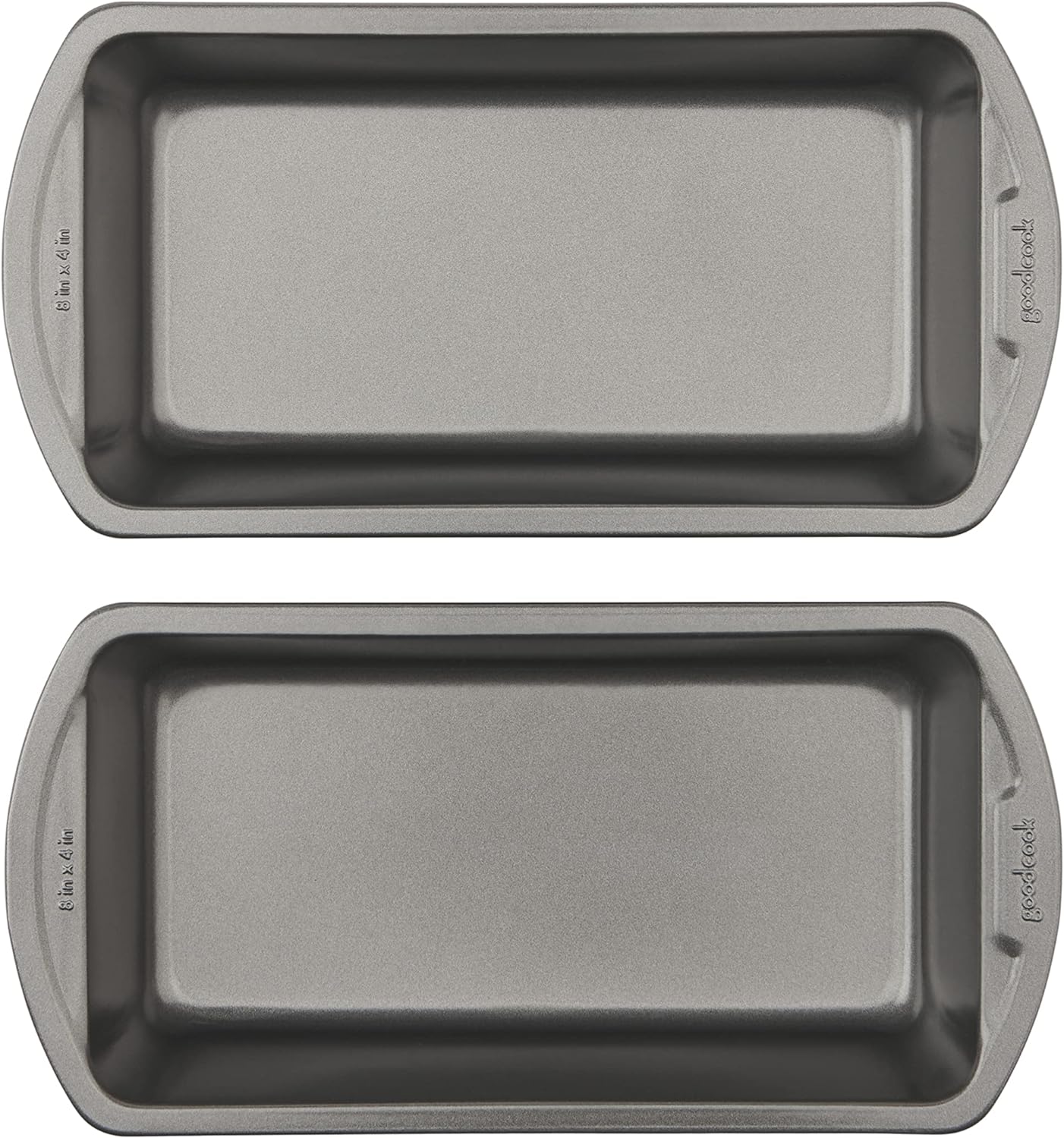
Purchasing bakeware in sets provides distinct advantages if you frequently bake multiple loaves of bread, prepare batch meals, or meal prep for the week ahead. Multi-packs of two or six pans ensure you have matching vessels ready simultaneously without waiting for a single pan to cool, wash, and dry between batches. This approach maximizes efficiency during peak baking seasons.
On the other hand, single-pan purchases suit occasional bakers who only need to make a single loaf or meatloaf at a time and have limited cabinet storage space. Assessing your typical baking volume and storage capacity guides you toward the right quantity for your home kitchen. Choosing the correct set count prevents unnecessary clutter while fulfilling your recipes.
Frequently asked questions
What standard recipes fit inside a 4x8 inch loaf pan?
A 4x8 inch loaf pan accommodates a wide variety of standard baked goods, including yeast breads, quick banana breads, pumpkin bread, zucchini bread, and pound cakes. It is also well-suited for savory dishes like traditional meatloaves, small casseroles, and scaled-down portions of lasagnas. The proportions allow the batter or mixture to rise evenly without spreading too flat, creating a traditional loaf shape. When adapting recipes meant for larger pans, keep the volume capacity in mind to prevent overflow during the baking process.
Can I put a nonstick loaf pan in the dishwasher?
Dishwasher safety depends entirely on the specific manufacturer instructions for your chosen pan model. Many steel loaf pans are officially rated as dishwasher safe for fast, convenient cleanup. However, numerous aluminum and carbon steel bakeware manufacturers recommend washing pans by hand using mild soap and warm water to protect the nonstick coating and metal finish from harsh machine detergents. Checking the specific product care guidelines ensures you maintain the protective surface and extend the overall lifespan of your bakeware.
Are carbon steel and anodized aluminum pans interchangeable?
Carbon steel and anodized aluminum behave differently in the oven due to their distinct thermal properties. Anodized aluminum heats and cools much faster than carbon steel, which helps prevent over-baking in delicate cakes and quick breads. Aluminum is also naturally safe for citrus-based foods that might react with other metals. Carbon steel offers robust durability and steady heat retention for uniform browning. While both work for similar recipes, their heat transfer rates and cleaning needs mean they are not always direct functional equivalents.
Why does my loaf pan need a nonstick coating?
A nonstick coating significantly simplifies the process of removing baked goods from the pan without breaking the crust or leaving behind sticky crumbs. It reduces the necessity of applying heavy layers of oil, butter, or parchment paper before pouring in your batter. This feature is especially helpful when baking delicate items like pound cakes or sugary quick breads that tend to cling to untreated metal surfaces. While nonstick surfaces ease serving and cleanup, proper care remains important to protect the coating over time.
How do I choose between a single loaf pan and a multi-pack set?
Choosing between a single pan and a multi-pack set depends entirely on your baking frequency and recipe requirements. If you frequently bake multiple loaves at once, host large gatherings, or meal prep for the week, purchasing a set of two or six pans saves considerable time. Conversely, if you live alone, bake only occasionally, or have limited kitchen cabinet storage space, a single loaf pan provides ample capability without taking up excess room. Assess your typical baking volume to find the right balance.