Appliances · Buying Guide
Best 72 Hour Pizza Dough Gear and Mixes for Better Crusts
Achieving a stellar pizza crust at home often hinges on giving your ingredients ample time to develop complex flavors. A proper cold fermentation process spanning a few days allows starches and proteins to break down naturally, resulting in a superior chew, airy structure, and rich depth that quick rises simply cannot match. Managing this requires proper planning.
Whether you prefer scaling your own flour or want a dependable shortcut for busy weekends, having the right equipment transforms your home baking routine. Selecting dedicated proofing containers and reliable ingredient kits helps you manage multiple dough balls efficiently, protecting your portions from drying out while saving valuable refrigerator space for everyday items.
As an Amazon Associate, StacyLaughs earns from qualifying purchases.
Buying guide
Container Material Selection
Choosing the right material for your proofing vessels directly influences how well your dough holds its shape during extended cold rests. Rigid plastics offer expansive tray layouts suitable for multiple portions, whereas flexible silicone provides modular versatility when properly oiled before use. Both options protect your rising dough from drying out, but your kitchen space and cleaning habits will guide the ideal selection.
Consider how your chosen material withstands routine cleaning and storage demands. Steel-reinforced silicone variants maintain their structural rigidity while remaining dishwasher safe, striking a practical balance between firm support and flexible convenience for frequent home baking routines. Evaluating these structural traits ensures your containers endure regular use without warping or degrading over time.
Capacity and Portion Sizing
Matching container volume to your specific recipe ensures your dough balls expand naturally without spilling over the container edges. Smaller five-hundred-milliliter vessels suit classic individual Neapolitan portions perfectly, whereas one-liter boxes comfortably house larger artisan rounds destined for generous family-sized pizzas. Taking time to measure your average dough ball weight prevents cramped fermentation conditions.
Evaluating your typical baking volume helps prevent overcrowding in your refrigerator and simplifies meal planning. Selecting modular containers that match your exact dough ball weight prevents structural distortion and guarantees uniform crust texture across every single pizza you bake during the week. Proper sizing safeguards your recipe consistency from start to finish.
Temperature Control and Cold Fermentation
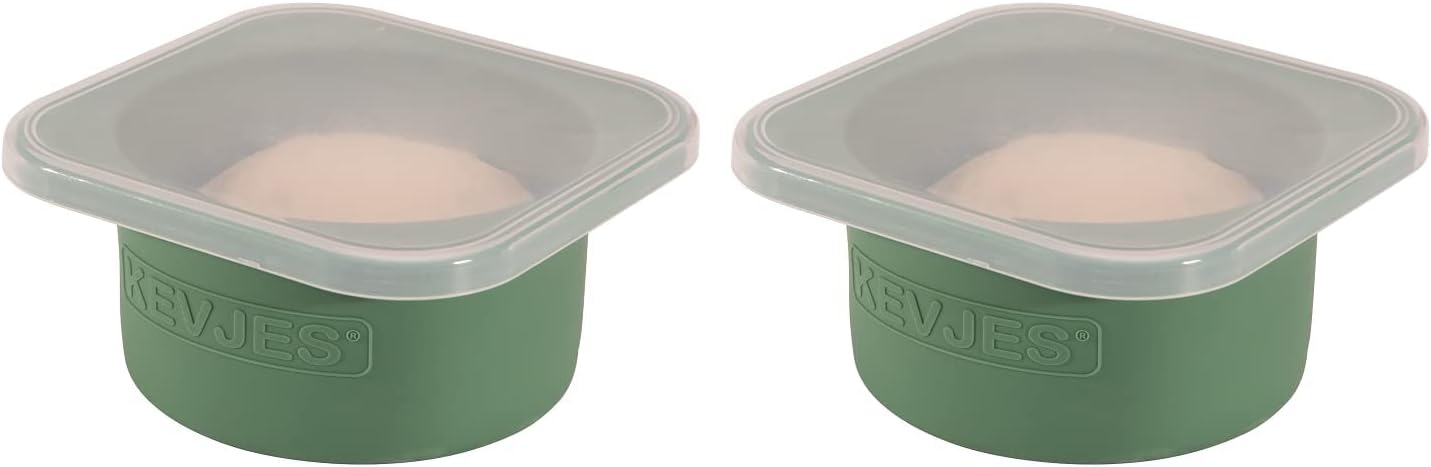
Utilizing multi-day cold fermentation requires equipment capable of maintaining airtight seals inside cold refrigerated environments. Tight-fitting lids lock in essential humidity, preventing the outer skin of your dough from forming an undesirable dry crust before you stretch it. Maintaining this moisture barrier is vital for achieving a light, airy cornicione.
Clear lids add a practical advantage by letting you monitor gas bubble formation and rise progress without opening the container and releasing trapped air. This passive observation protects the delicate internal fermentation environment while supporting optimal flavor development over extended rest periods. Selecting containers with transparent covers eliminates guesswork entirely during long cold ferments.
Storage Space and Refrigerator Management
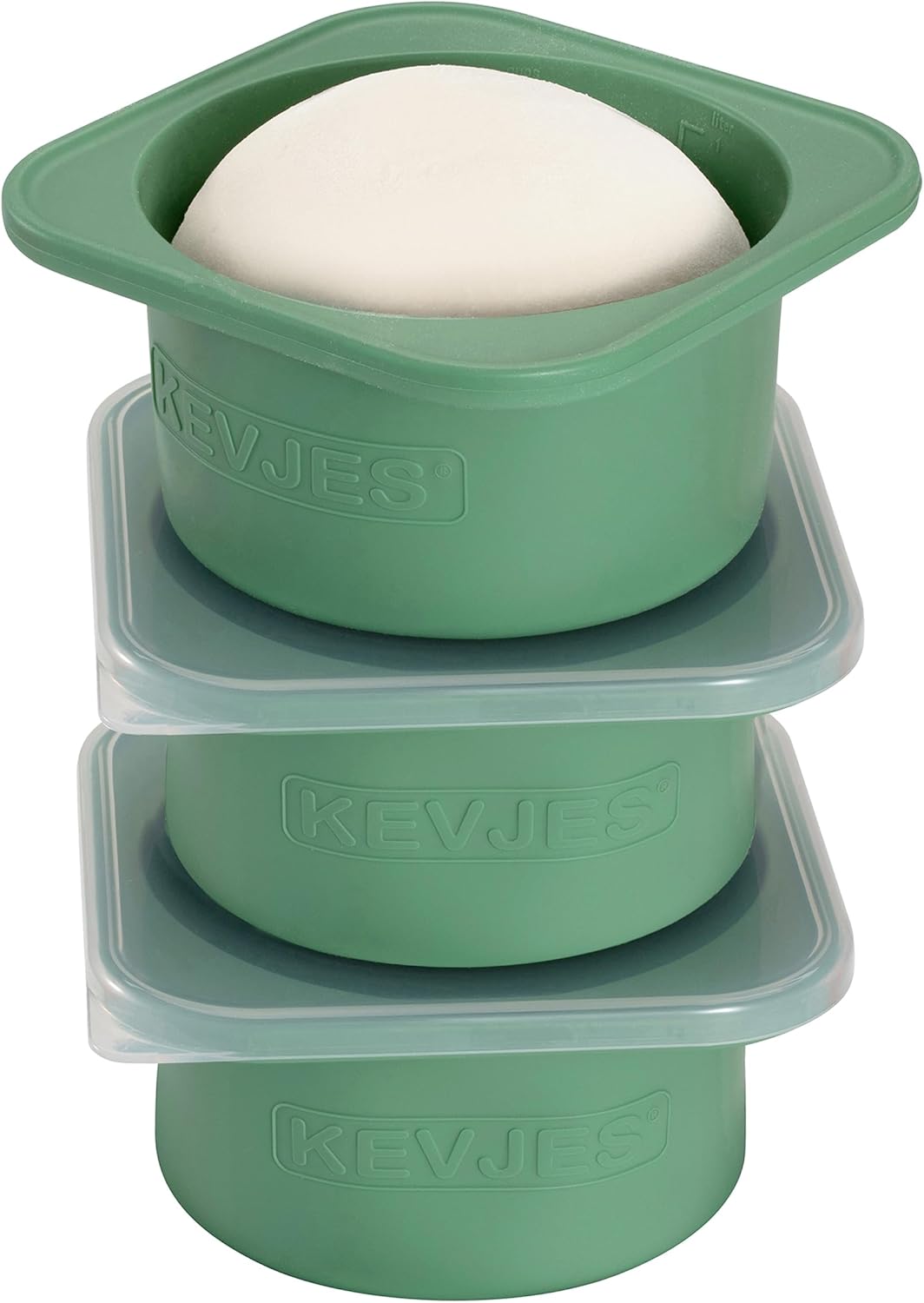
Managing multiple proofing vessels inside a standard home refrigerator demands careful attention to footprint dimensions and stacking capabilities. Wide multi-ball trays require substantial flat shelf space, whereas modular stackable boxes utilize vertical clearance efficiently. Balancing your kitchen shelf availability with container dimensions ensures you can store multiple portions without disrupting other groceries.
Assessing your refrigerator layout before purchasing containers prevents storage conflicts with everyday food items. Stackable designs allow you to build stable vertical columns, maximizing cold storage efficiency while keeping your fermenting dough safely organized and protected from ambient kitchen odors. Thoughtful spatial planning keeps your baking routine running smoothly all week long.
Cleanup and Maintenance Practices
Maintaining your baking gear according to manufacturer guidelines preserves the longevity of silicone walls and rigid plastic trays alike. Many food-grade silicone vessels feature dishwasher-safe construction, while rigid plastic trays often benefit from gentle hand washing or low-temperature machine cycles to prevent warping. Respecting these care instructions protects your investment over time.
Proper maintenance prevents stubborn residue buildup around container rims and sealing edges, ensuring reliable airtight performance for all future baking sessions. Adhering strictly to specified cleaning temperatures protects internal steel reinforcement frames and prevents material degradation, keeping your dough storage equipment dependable for years of regular homemade pizza preparation.
Ingredient Kits Versus Scratch Baking
Deciding between pre-measured ingredient mixes and scratch-made dough depends entirely on your available free time and desire for recipe customization. Boxed mixes deliver rapid results for impromptu weekend gatherings, bypassing the need to measure individual dry components from separate pantry containers. This shortcut appeals to bakers seeking speed and simplicity.
Conversely, scratch baking gives you total control over hydration percentages, specialty flour varieties, and extended fermentation schedules, allowing you to tailor every individual aspect of your finished crust. Weighing daily convenience against culinary customization helps you choose the right approach for your lifestyle, ensuring satisfying results whether you bake spontaneously or plan ahead.
Frequently asked questions
Why is a 72-hour fermentation period beneficial for pizza dough?
Allowing your pizza dough to ferment in the refrigerator for up to seventy-two hours gives enzymes and yeast ample time to break down complex starches and proteins. This natural breakdown creates superior extensible gluten structures, making the dough much easier to stretch without tearing. Furthermore, it develops deep, complex flavors and an airy, blistered cornicione during baking that rapid dough preparations simply cannot replicate. Using dedicated airtight containers ensures your portions remain properly hydrated throughout this multi-day process without drying out.
Do I need special containers to proof pizza dough at home?
While you can use standard bowls covered in plastic wrap, dedicated proofing containers offer significant advantages for home pizza makers. Secure, airtight lids lock in essential humidity to stop the outer dough surface from forming a dry crust during long fermentation cycles. Additionally, stackable boxes and trays maximize your refrigerator space, allowing you to organize multiple dough balls efficiently. Options with steel reinforcement or food-grade silicone provide sturdy, reusable alternatives to disposable wraps and flimsy bowls.
How do I prevent pizza dough from sticking to proofing containers?
Preventing sticky dough from clinging to your proofing vessels usually involves a simple preparation step before placing the dough inside. For silicone and plastic containers, lightly spraying or wiping the interior surfaces with a small amount of cooking oil creates a non-stick barrier. This minor trick ensures that your fermented dough balls slide out smoothly and effortlessly onto your work surface when it is time to shape them, preserving their delicate circular form without tearing.
Can I freeze pizza dough in silicone proofing containers?
Many food-grade silicone proofing containers are engineered to be both freezer and refrigerator safe, allowing you to store extra dough portions for future use. When freezing, ensure your container features an airtight lid to prevent freezer burn and keep unwanted odors from contaminating the dough. This dual-purpose capability makes silicone boxes exceptionally versatile for home cooks who like to prepare large batches of dough in advance and bake pizzas throughout the busy week.
What is the difference between individual vessels and large proofing trays?
Individual proofing vessels hold single dough balls, giving each portion its own enclosed microclimate and making it easy to release one ball at a time without disturbing the rest. Large proofing trays, on the other hand, accommodate multiple dough balls in a single shared tray, saving shelf space horizontally but requiring you to manage portions together. Your choice depends entirely on your refrigerator layout, batch size preferences, and how many pizzas you plan to bake simultaneously.