Appliances · Buying Guide
Best 8 Cup Glass Measuring Cup Options for Large Batches
Large capacity glass measuring vessels offer home bakers and professional chefs a reliable way to handle bulky recipes, large batches of batter, and precise fluid volume conversions safely. Choosing the right tool depends entirely on your specific kitchen workflows, storage constraints, and frequency of heavy mixing tasks in busy culinary environments every single day.
These oversized glass containers combine optical clarity with sturdy handling for everyday culinary utility and food preparation tasks. Whether you are preparing family-sized soups, mixing thick pancake batters, or measuring dry ingredients, understanding how capacity, materials, and integrated spouts impact your daily routine ensures a practical, long-lasting addition to your kitchen collection.
As an Amazon Associate, StacyLaughs earns from qualifying purchases.
Buying guide
Capacity and Volume Requirements
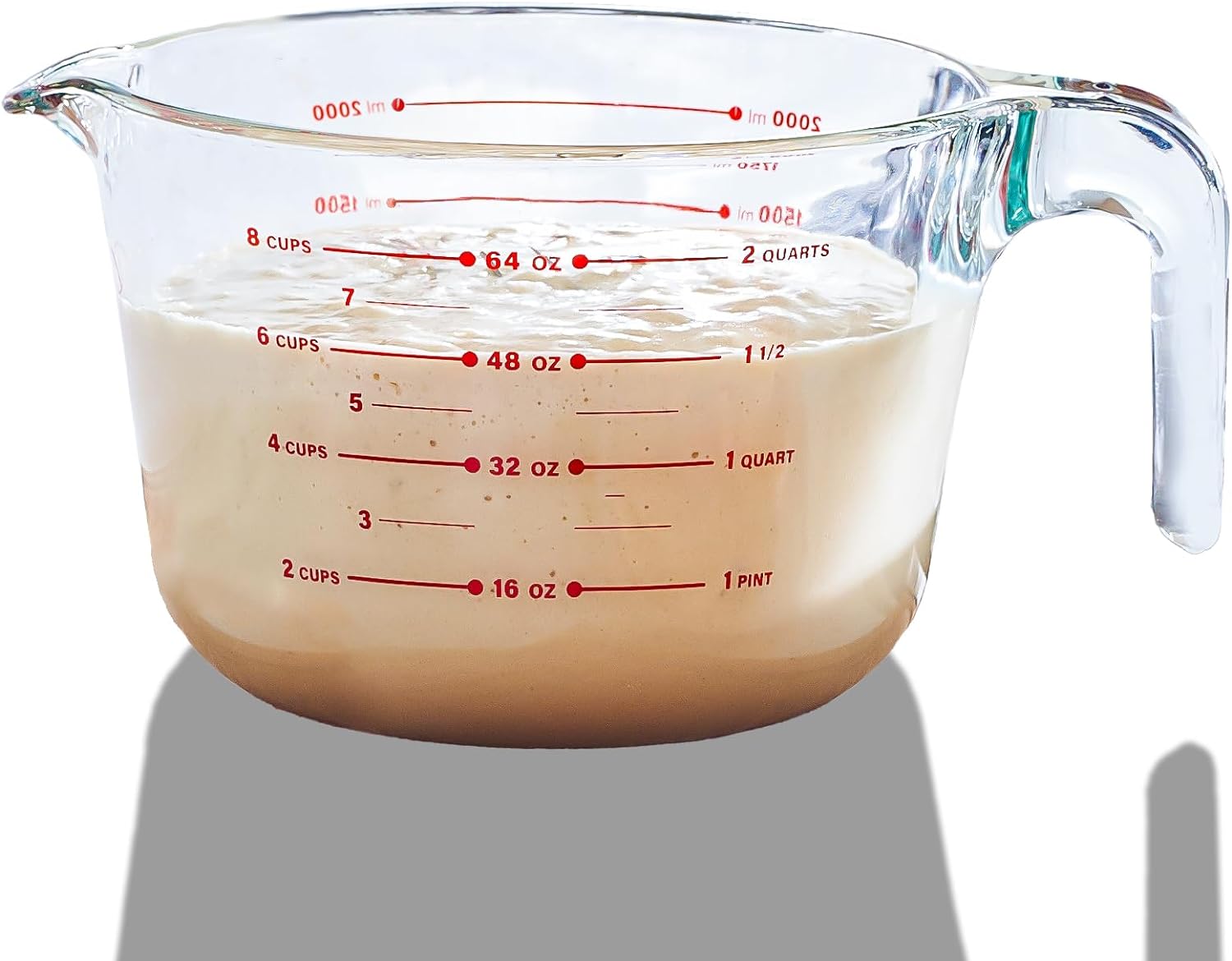
Selecting an eight-cup glass measuring vessel requires evaluating your typical recipe sizes and meal preparation habits. Large capacity containers hold up to sixty-four fluid ounces, making them ideal for mixing voluminous pancake batters, family-sized soups, and substantial baking ingredients. Assessing whether you genuinely need this volume prevents purchasing an oversized tool that clutters your workspace.
Smaller tasks often lead to inaccurate readings when executed inside oversized containers due to wider base diameters. Matching your equipment scale to your culinary frequency ensures efficient measurement execution. Think about whether your standard cooking routines involve massive batches or standard small portions before committing to a two-quart vessel.
Material Composition and Thermal Endurance
Glass material selection significantly impacts how measuring cups handle thermal shocks, microwave heating, and heavy daily wear in busy kitchens. Borosilicate glass options offer superior resistance against extreme temperature fluctuations, allowing safe transitions from freezing environments to hot ovens without cracking or clouding. Standard tempered glass variants provide robust impact resistance and dependable everyday durability for general baking needs.
Reviewing manufacturer specifications helps determine maximum temperature thresholds and safe operating parameters for your specific cooking style. Nonporous glass surfaces prevent food odors, stains, and chemical leaching, ensuring long-term hygiene and safe food contact during frequent use. Understanding these material traits guarantees your chosen vessel survives rigorous cleaning cycles and intensive heating applications without premature degradation.
Handling Comfort and Pouring Precision
Maneuvering a heavy glass vessel filled to capacity with hot liquids or dense batters demands thoughtful handle design and balanced ergonomics. Contoured handles and secure grips reduce hand strain, giving you steady control during heavy lifting and pouring tasks. An anti-drip pour spout prevents messy spills and directs liquids cleanly into mixing bowls or baking pans.
Testing the balance of an empty cup can be deceptive compared to its performance under full workloads. Look for wide, sturdy handles that accommodate multiple fingers to distribute weight evenly across your hand. Precision spouts minimize drips, ensuring clean transfers of broths, sauces, and liquid ingredients without wasting precious recipe components during preparation.
Measurement Markings and Readability
Clear, legible measurement markings are essential for maintaining strict recipe accuracy when working with large volumes of dry and wet ingredients. Bold lines printed or embossed directly onto the glass surface allow quick verification from multiple viewing angles. High-contrast markings prevent guesswork, ensuring your baking proportions remain precise batch after batch in busy kitchens.
Over time, frequent washing can wear down poorly applied exterior ink markings on standard glassware items. Look for robust markings integrated directly into the manufacturing process or fused permanently to the glass body. Easy-to-read units in cups, ounces, and metric scales add valuable versatility for international recipes and diverse daily culinary requirements.
Storage Footprint and Cabinet Fit
Oversized measuring cups and batter bowls occupy significant cabinet space due to their broad diameters and tall height profiles. Measuring your available shelf clearance before purchasing prevents frustrating storage conflicts in compact kitchen layouts. Consider whether the vessel features a stackable design or includes attachments that increase vertical storage demands during daily storage.
Lidded batter bowls offer convenient food storage benefits but require extra vertical clearance inside refrigerators and pantry shelves. Evaluating your storage layout ensures you can house these large glass items safely without risking accidental tipping or overcrowding. Choosing models that fit comfortably into your designated storage zones protects your investment from accidental chipping or impact damage.
Maintenance and Cleaning Practicalities
Keeping large glass measuring vessels hygienic requires evaluating dishwasher compatibility and ease of manual scrubbing. Smooth, nonporous glass surfaces resist food residue buildup and simplify routine cleaning after preparing sticky batters or greasy sauces. Verifying whether lids, strainers, or removable parts are dishwasher safe saves considerable time during post-cooking cleanup routines in busy households.
Complex lid designs with built-in gaskets or strainers may require extra manual attention to prevent trapped moisture and food particles. Selecting dishwasher-safe components streamlines maintenance, but checking manufacturer care guidelines protects specialty materials from degradation. Prioritizing easy-to-clean designs ensures your glass measuring cup remains sanitary and visually clear over years of frequent service and heavy usage.
Frequently asked questions
Can an 8 cup glass measuring cup be used safely in the microwave?
Many eight-cup glass measuring cups and batter bowls are designed to be microwave safe, allowing you to melt butter, warm liquids, or reheat soups directly inside the vessel. However, you must always check the specific manufacturer guidelines for your exact model before heating. When microwaving large volumes of liquid, heating in intervals helps prevent uneven temperatures and potential boil-overs. Additionally, handling the hot glass container requires protective oven mitts since thermal energy transfers directly from the contents to the exterior surface and handle during prolonged microwave cycles.
Are glass measuring cups better than plastic alternatives for heavy baking?
Glass measuring cups offer several distinct advantages over plastic equivalents, particularly regarding durability, hygiene, and thermal versatility. Unlike plastic, nonporous glass will not warp under high heat, absorb strong food odors, or stain when interacting with acidic ingredients like tomato sauce or citrus juices. Glass vessels can safely transition between microwaves, preheated ovens, and freezers depending on the specific model. However, glass is heavier and more susceptible to shattering if dropped on hard kitchen floors, meaning users must weigh the benefits of structural longevity against increased physical weight during handling.
How do I prevent measuring errors when using a large 8-cup capacity container?
Measuring accurately in an oversized eight-cup container requires placing the vessel on a flat, stable surface rather than holding it in your hand. You should always check fluid levels at eye level to avoid parallax errors caused by viewing measurements from above. When measuring dry ingredients like flour, spoon the ingredient loosely into the cup and level it off rather than scooping directly from the bag, which can compact the contents. High-contrast, bold measurement markings also play a critical role in helping you verify correct volumes at a glance.
What is the difference between standard glass and borosilicate glass measuring cups?
The primary difference lies in their thermal shock resistance and chemical composition. Borosilicate glass is engineered with added boron trioxide, which gives it a much lower coefficient of thermal expansion than standard glass. This specialized formulation allows borosilicate vessels to withstand extreme temperature swings, such as moving directly from an icy freezer to a boiling liquid, without cracking or shattering. Standard tempered glass is also highly durable and impact-resistant for everyday kitchen tasks, but borosilicate glass provides superior performance for high-heat cooking and rapid temperature transitions.
How should I clean and maintain a glass measuring cup with a lid or strainer?
Maintaining a glass measuring cup that includes a lid, gasket, or built-in strainer involves following specific care guidelines for both the glass body and the accompanying attachments. While the glass container and many lids are rated dishwasher safe, complex multi-functional lids often benefit from periodic hand washing to ensure all crevices remain completely free of trapped food particles. Avoid using abrasive scouring pads that could scratch the glass or wear away exterior measurement markings over time. Proper drying and storage prevent moisture buildup and protect specialty components from premature wear.