Appliances · Buying Guide
Best 8 Cup Measuring Bowl Options for Large Batch Baking and Mixing
Finding the right mixing and measuring tool can transform how you handle large batches of ingredients. An 8-cup measuring bowl bridges the gap between a standard liquid measure and a bulky mixing container, offering generous capacity for double or triple recipes. Whether you are whipping up weekend pancake batter or preparing homemade soups, these specialized vessels give you ample room to whisk, stir, and pour without spilling over the rim.
Selecting the best model depends closely on your material preferences and daily kitchen routines. Glass options provide high-temperature resilience and stain resistance, while lightweight plastic designs offer shatterproof handling and convenient non-slip bases. By examining the capacity, spout design, and handling features of each specific container, you can find a reliable kitchen helper that matches your exact cooking and baking style.
As an Amazon Associate, StacyLaughs earns from qualifying purchases.
Buying guide
Capacity and Volume Requirements
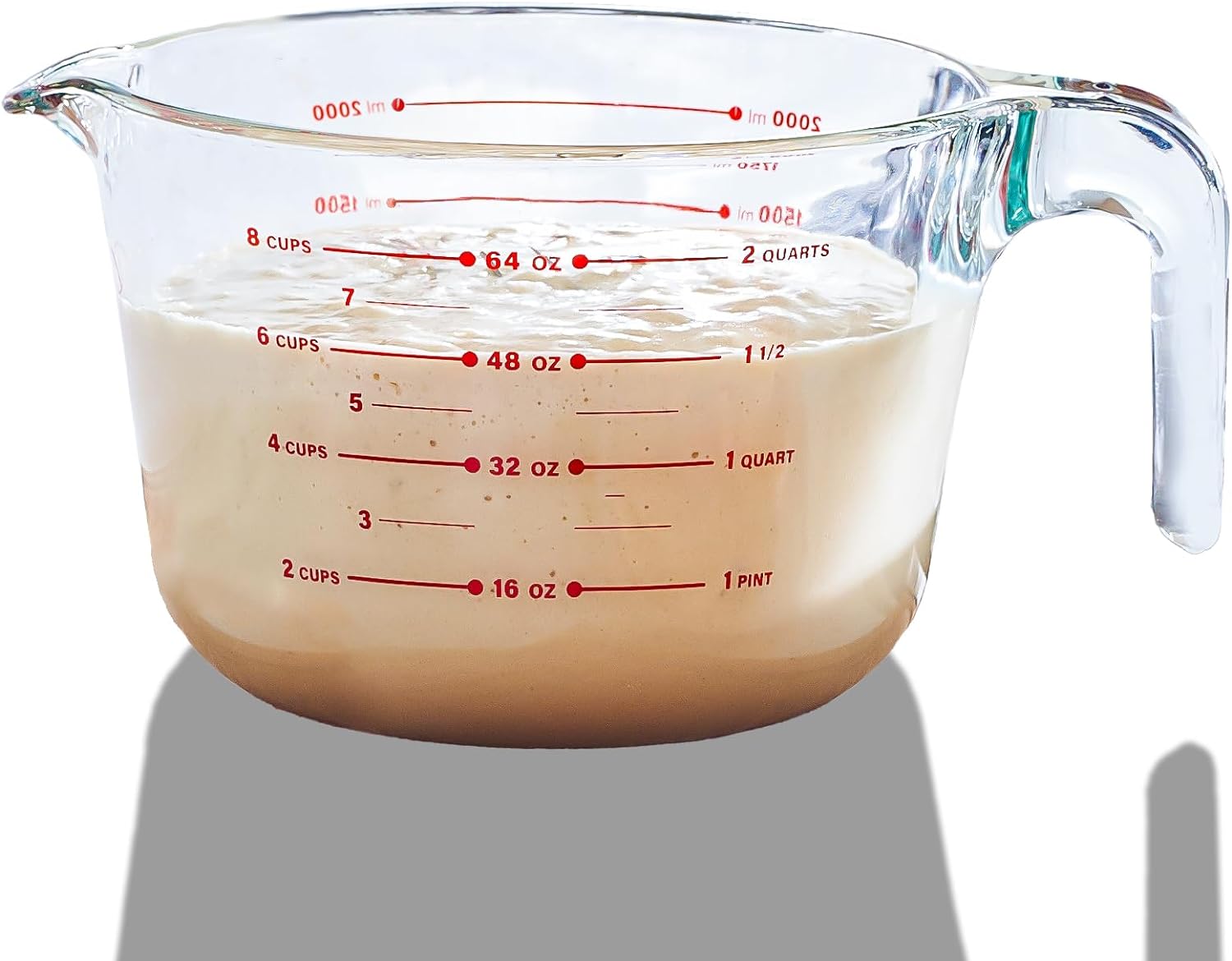
Selecting an 8-cup measuring bowl starts with carefully understanding your typical recipe sizes and everyday baking habits. A generous 64-ounce capacity provides ample room for doubling pancake batters, mixing large batches of cookie dough, or holding homemade broths without liquid spilling over the sides during vigorous stirring or electric whisking tasks.
Smaller vessels often force you to split ingredients into multiple separate bowls, adding unnecessary steps and extra dishes to your cooking routine. Choosing this spacious size ensures you can complete food preparation tasks inside a single unified container, saving valuable time and significantly simplifying cleanup across busy daily kitchen sessions.
Material Selection and Thermal Limits
Material choice directly determines how a measuring bowl handles heat, cold, and daily wear in your kitchen. Glass models crafted from tempered or borosilicate materials offer exceptional thermal resilience, allowing you to transition ingredients smoothly from microwave heating to freezer storage or preheated oven baking without structural compromise or material warping.
Plastic alternatives provide a lightweight, shatterproof option that resists accidental drops on hard floors. However, plastic typically lacks the high-heat oven safety found in glass variants. Evaluate your cooking methods carefully to choose a material that matches your preferred thermal applications while maintaining dependable everyday durability.
Spout Design and Pouring Precision
An effective pouring spout is essential for transferring liquid batters and sauces without creating messy drips down the side of the container. Look for precision-molded or anti-drip spouts that guide the stream smoothly into baking pans, muffin tins, or secondary mixing bowls, reducing clean-up time and ingredient waste on your countertops.
The shape of the rim works hand in hand with the handle to dictate how much control you maintain during quick transfers. A well-designed spout prevents liquid pooling, ensuring a clean break when you tilt the container upright after pouring out your heavy pancake or waffle mixtures.
Handle Comfort and Ergonomic Support
Handling an 8-cup vessel filled with dense batter or heavy liquids requires a secure and comfortable grip. Ergonomic handles provide a natural hand placement that distributes weight evenly, reducing hand fatigue when you lift and tilt the container repeatedly during extensive baking projects or large-scale meal preparation tasks.
Some plastic models feature soft-grip handle coatings or textured surfaces that enhance traction, while glass bowls rely on molded glass contours. Assessing your hand strength and comfort preferences helps you select a container that feels secure and balanced during active use.
Measurement Markings and Readability
Clear and accurate measurement markings are crucial for successful baking results when working with large liquid or dry ingredient volumes. Bold exterior lines in standard US cups and metric milliliters let you measure ingredients directly inside the bowl, eliminating the need for extra measuring cups and streamlining your prep work.
Embossed or high-contrast printed markings ensure long-term readability even after repeated cycles in the dishwasher. Checking how clearly the graduation lines stand out against the bowl material helps you maintain precise ingredient proportions across all your favorite family recipes.
Base Stability and Countertop Safety
Stability during vigorous stirring is vital to prevent accidental tipping when working with heavy mixtures in an 8-cup bowl. A wide base or an integrated nonslip ring keeps the container firmly anchored to your countertop while you beat eggs, whisk batters, or incorporate flour into heavy doughs.
Weighted glass designs rely on mass to stay grounded, whereas lightweight plastic bowls benefit greatly from dedicated rubberized base supports. Considering how your workspace handles friction ensures safer operation when tackling high-energy culinary tasks that require steady container placement.
Frequently asked questions
Can an 8 cup measuring bowl be used for both wet and dry ingredients?
Yes, an 8 cup measuring bowl is designed to handle both wet and dry ingredients with equal efficiency. The generous 64-ounce capacity provides plenty of room to measure liquids like water, milk, or oil, as well as dry staples such as flour, sugar, and oats. Clear measurement markings printed or embossed on the side allow you to gauge quantities accurately. This dual functionality makes the bowl a versatile workspace companion, reducing the need for multiple separate measuring cups during complex baking projects.
Are glass 8 cup measuring bowls safe to use in the microwave and oven?
Most glass 8 cup measuring bowls constructed from tempered or borosilicate glass are safe for use in microwaves, freezers, and preheated ovens up to specified temperature limits. This multi-appliance compatibility lets you melt butter, warm liquids, bake desserts, and store leftovers inside a single container. However, you should always check the manufacturer specifications regarding maximum temperature thresholds and avoid exposing cold glass to sudden extreme heat changes to prevent thermal shock or potential cracking during food preparation tasks.
How do plastic and glass 8 cup measuring bowls compare in daily use?
Glass and plastic 8 cup measuring bowls offer distinct advantages depending on your daily cooking style. Glass models provide high-heat resistance, nonporous surfaces that resist staining, and heavy-duty stability, though they carry a heavier weight. Plastic models offer lightweight, shatterproof handling and often feature ergonomic soft handles or non-slip bases, but they typically lack high-heat oven compatibility. Choosing between them depends on whether you prioritize thermal versatility or lightweight maneuverability and shatter resistance.
What is the advantage of using a batter bowl with a splash guard lid?
A splash guard lid offers a practical solution for keeping your kitchen countertops clean when mixing messy ingredients at high speeds. The two-piece design typically includes a secure outer ring that contains splatters from electric mixers or vigorous hand whisking, along with a removable center cap. This center opening lets you add flour, sugar, or liquids gradually while the guard remains in place, preventing flour dust and liquid splashes from escaping during active batter preparation tasks.
How should I clean and maintain my 8 cup measuring bowl?
Cleaning and maintaining your 8 cup measuring bowl is generally straightforward, as most models are dishwasher safe for effortless everyday care. For glass bowls, regular washing maintains optical clarity and removes stubborn food residues without scratching. Plastic bowls benefit from top-rack dishwasher cycles and careful utensil use to avoid surface abrasions from metal whisks or scouring pads. Following manufacturer guidelines ensures your measuring container stays hygienic, clear, and fully functional over years of regular baking use.