Appliances · Buying Guide
Best 8 Inch Baking Dish Options for Every Kitchen Need
Selecting the right 8 inch baking dish depends heavily on the materials you prefer for your daily cooking tasks, such as durable carbon steel, classic ceramic, or versatile borosilicate glass. Each material offers distinct thermal properties that influence how your favorite recipes bake, brown, and transition smoothly from the hot oven straight to the dining table for serving family and guests.
Whether you are baking sweet brownies, roasting savory casseroles, or storing extra portions for the next day, understanding the physical design of your bakeware helps streamline your kitchen routine. Manufacturers offer various ergonomic handle designs, matching lid inclusions, and depth variations to accommodate different meal sizes, baking styles, and refrigerator storage requirements.
As an Amazon Associate, StacyLaughs earns from qualifying purchases.
Buying guide
Material Selection and Thermal Performance
Choosing the right material for your baking dish dictates how heat interacts with your ingredients. Carbon steel heats rapidly for browning, stoneware retains warmth at the table, and glass resists food stains.
Each material demands specific handling to ensure longevity. Glass and ceramic dishes handle thermal shifts differently, while metal pans require gentle cleaning to protect nonstick coatings. Evaluating how you plan to use and clean your bakeware helps narrow down the ideal material choice for your kitchen without risking damage during routine food preparation tasks.
Capacity and Depth Considerations
Evaluating the capacity and depth of an eight-inch square dish prevents messy spills during baking. Standard models hold around one to two quarts, while extra-deep options offer enhanced room for generous casseroles and layered desserts. Deeper walls provide necessary clearance when dishes bubble up.
Consider your typical portion sizes when selecting a depth. Smaller capacities suit single servings or side dishes, whereas deeper designs accommodate family meals and gatherings. Matching the depth to your favorite recipes keeps your oven clean and ensures proper heat penetration throughout the center of the food.
Handle Design and Safe Transport
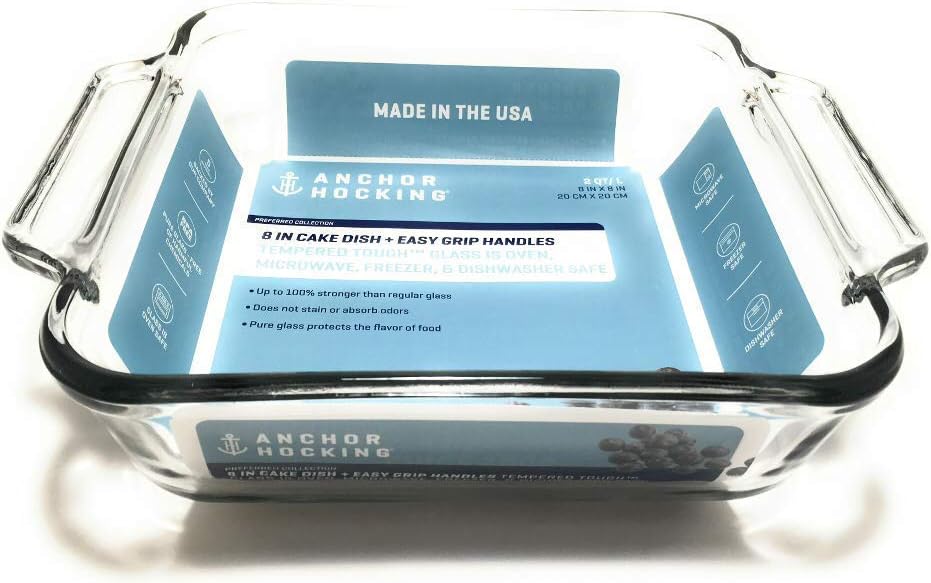
Ergonomic handles simplify the process of moving heavy dishes in and out of hot ovens. Look for extended rims, textured grips, or silicone attachments that offer a secure hold, even when wearing bulky oven mitts. Reliable handles minimize accidental slips.
Ceramic and glass models often feature integrated handles with anti-slip lines, while metal pans utilize silicone grips for added comfort. Prioritizing secure handling features protects you from burns and drops during busy kitchen transfers from the appliance to the countertop.
Lid Inclusion and Storage Convenience
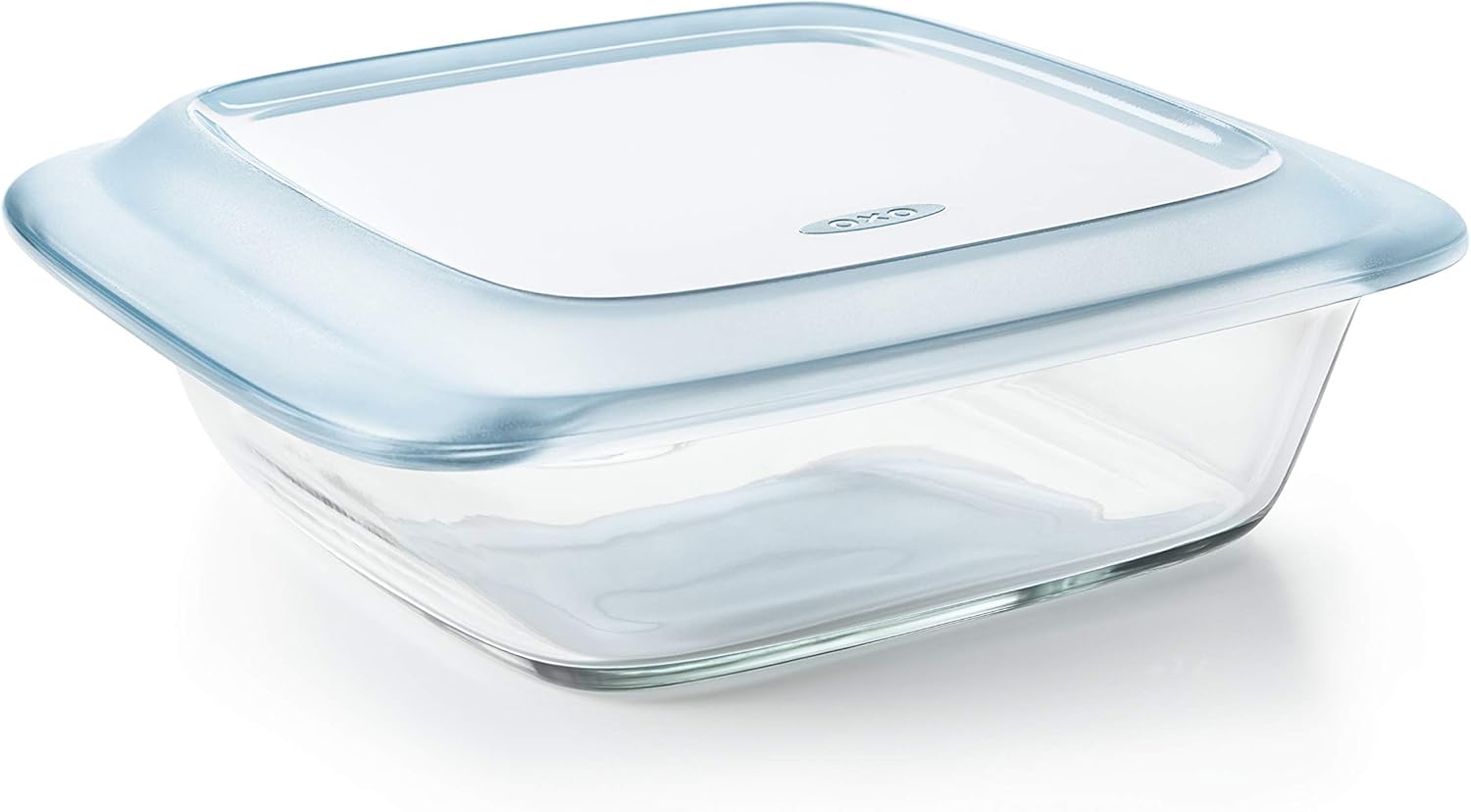
Bakeware equipped with matching lids transforms a simple baking dish into an all-in-one storage container. Plastic or glass lids eliminate the need for disposable plastic wrap when saving leftover portions in the refrigerator. This added convenience streamlines both meal prep and cleanup.
Check whether the included lid is safe for microwave reheating or freezer storage depending on your routine. Some lids feature snug seals designed to prevent leaks during transport. Selecting a lidded option maximizes versatility for everyday cooking workflows.
Cleaning and Maintenance Requirements
Proper maintenance preserves the finish and structural integrity of your baking dish over years of use. While many modern dishes claim dishwasher safety, hand washing often extends the lifespan of nonstick coatings and glazed surfaces. Reviewing manufacturer instructions prevents premature wear.
Non-porous glass and ceramic materials resist stubborn food residue, making manual scrubbing easier after sticky bakes. Carbon steel surfaces require careful drying to prevent rust. Choosing a dish that aligns with your preferred cleaning routine saves time and effort.
Oven and Appliance Compatibility
Ensuring your baking dish is compatible with your specific kitchen appliances prevents accidents. Most glass and ceramic models tolerate preheated ovens, microwaves, and freezers, but direct flame exposure causes cracking. Metal pans handle high oven temperatures well.
Always verify upper temperature limits before placing bakeware under high broiler heat. Knowing your appliance limits allows you to transition dishes between freezer, oven, and microwave safely without thermal shock risks.
Frequently asked questions
Can I put a glass baking dish straight from the freezer into a hot oven?
Certain specialized borosilicate glass baking dishes are specifically engineered to withstand extreme temperature shifts without cracking, allowing safe direct freezer-to-oven transitions. However, standard glass bakeware often lacks this advanced thermal shock resistance and requires gradual temperature adjustments to prevent dangerous shattering. Always check the manufacturer specifications for your specific product before attempting direct transfers from freezing environments to hot ovens. Taking this precaution protects your bakeware and ensures safe kitchen operation during meal preparation.
Are ceramic baking dishes safe to use on stovetop burners?
Ceramic baking dishes are generally designed for oven, microwave, and table service use, but they should never be placed directly on an open flame or induction burner. Direct heat application creates uneven thermal expansion, leading to cracking or breaking of the stoneware material. Always use your ceramic dish inside a preheated oven or toaster oven rather than on stovetop heating elements. Following this guideline preserves the structural integrity of the dish and prevents accidents.
How do I prevent food from sticking to my metal baking pan?
Many metal baking pans feature a scratch-resistant nonstick coating that facilitates easy food release without excessive oil. To preserve this coating, avoid using metal utensils that can scratch the surface, opting for silicone or wooden tools instead. While some metal pans are labeled as dishwasher safe, hand washing with mild soap and a soft sponge helps maintain the nonstick properties over extended periods of use. Proper care ensures smooth baking results every time.
What are the benefits of using a deep baking dish?
A deep baking dish provides extra vertical clearance, which is essential when preparing layered casseroles, lasagna, or thick brownie batters that tend to expand. The added depth effectively prevents bubbling ingredients from spilling over the edges and onto your clean oven floor. Furthermore, deep dishes accommodate larger portion sizes for family gatherings and parties, offering greater versatility for various recipes compared to standard shallow pans of the same footprint.
Do glass baking dishes require special care during cleaning?
Glass baking dishes feature non-porous surfaces that naturally resist stubborn stains and lingering food odors, making them relatively simple to clean. While most glass bakeware is dishwasher safe, hand washing with warm soapy water helps prevent accidental chipping against other heavy dishes in the rack. For baked-on residue, soaking the dish in warm water loosens the debris without requiring harsh abrasive scrubbing pads that might scratch the smooth glass finish over time.