Appliances · Buying Guide
Best 9 Inch Pie Dish Options for Home Bakers
Choosing the right 9 inch pie dish transforms how you approach baking fruit pies, savory quiches, and seasonal casseroles for family gatherings. Different materials like ceramic, stoneware, glass, and carbon steel offer unique thermal properties that directly influence crust crispness, overall cooking times, and heat retention. Understanding these material characteristics helps you match your cookware to specific family recipes and daily baking preferences.
Whether you prefer the visual charm of a fluted stoneware edge or the lightweight durability of metal construction, each option brings distinct advantages to your kitchen counter. Exploring physical dimensions, rim styles, and cleaning requirements ensures you select a reliable baking companion that performs consistently across various dessert and dinner preparations throughout the year.
As an Amazon Associate, StacyLaughs earns from qualifying purchases.
Buying guide
Material Selection and Thermal Performance
Choosing a pie dish material directly influences how heat transfers to your pastry crust during baking. Ceramic and stoneware options absorb oven heat gradually, releasing it steadily to promote a tender, flaky texture in traditional fruit pies and savory quiches. Carbon steel heats up rapidly, browning crusts quickly while requiring close monitoring to prevent scorching on delicate pastry edges.
Glass provides another reliable alternative, allowing you to observe browning progress directly through the clear base without lifting the pan. Each material reacts differently to thermal shifts, so matching your material selection to your baking habits ensures consistent results across sweet and savory recipes in any home kitchen.
Capacity and Depth Considerations
Evaluating the depth and overall capacity of your 9 inch pie dish is essential for preventing messy oven spills during frequent family baking sessions. Standard shallow plates suit basic fruit fillings, whereas deep-dish ceramic and stoneware models accommodate towering apple pies and thick quiches effortlessly. Proper internal volume prevents messy overflows in your hot oven.
Recipes specifying exact volume measurements require appropriate pan dimensions to bake evenly from the outer edge to the center. Selecting a deeper container gives you added flexibility for layered casseroles and generous desserts without compromising structural integrity, cooking performance, or visual presentation when serving hungry guests at the family dinner table.
Rim Design and Handling Safety
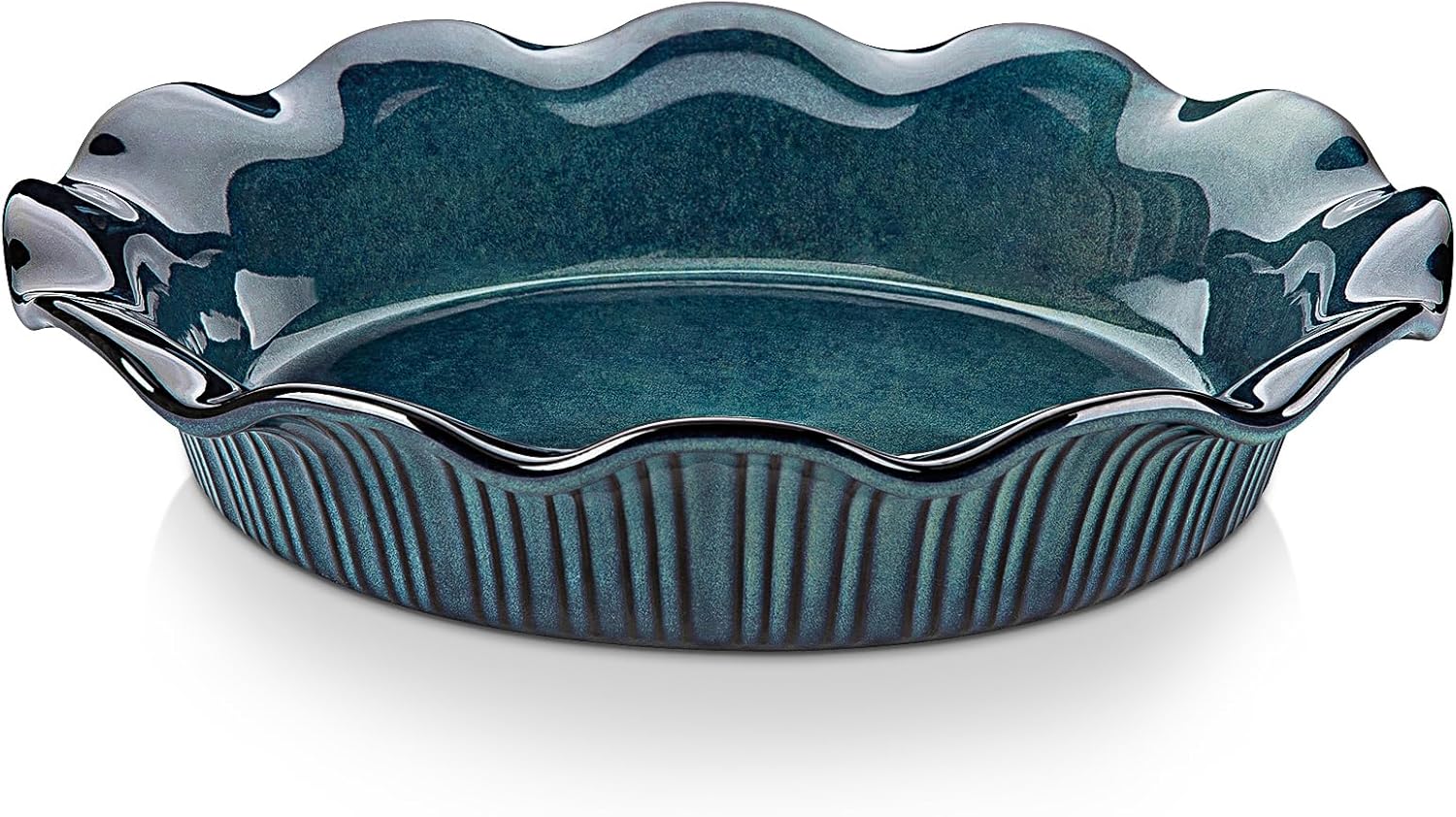
The rim design of your chosen pie dish plays a crucial double role by assisting with dough crimping and providing a secure gripping surface during transport. Fluted and pleated ceramic rims offer natural guides for shaping decorative pastry edges while giving your fingers reliable purchase when wearing bulky oven mitts.
Smooth metal edges, wide flanges, or extended lips also enhance transport safety, allowing you to move heavy pans confidently between crowded kitchen countertops and hot oven racks. Carefully considering how you grip and maneuver your bakeware prevents accidental slips and improves overall kitchen safety during busy holiday meal preparations and daily family baking routines.
Cleaning and Maintenance Requirements
Proper cleaning requirements vary significantly depending on the specific material construction of your selected pie dish. Stoneware and ceramic models often feature dishwasher-safe nonstick glazes that simplify cleanup after sticky fruit and berry fillings, while carbon steel pans typically require careful hand washing to protect their specialized nonstick coatings from premature wear over time.
Reviewing manufacturer maintenance instructions ensures your kitchen bakeware retains its protective finish over years of regular home use every single week. Selecting a dish that perfectly matches your personal cleanup preferences saves valuable time and effort, letting you focus on perfecting your recipes rather than scrubbing stubborn baked-on residues from complex textured interior surfaces.
Storage and Stackability Options
Kitchen cabinet space is often at a premium, making the storage profile of your pie dish an important practical consideration for home cooks. Stackable ceramic and stoneware designs allow you to nest multiple plates efficiently, freeing up valuable shelf space for other essential cookware items in crowded kitchen pantries and cupboards.
Metal and glass plates also fit standard cupboards, though their rim profiles and handle extensions may require extra vertical clearance during stacking operations. Evaluating your available storage layout before purchasing ensures your new bakeware integrates seamlessly into your existing kitchen organization system without ever creating unnecessary clutter on shelves or kitchen drawers.
Versatility Across Sweet and Savory Recipes
A versatile 9 inch pie dish handles much more than traditional dessert pies, transitioning smoothly to savory dinners, quiches, and baked casseroles. Deep ceramic and stoneware models double as functional roasting dishes, expanding your daily cooking repertoire far beyond sweet treats and holiday desserts for family meals throughout the year.
Choosing bakeware that withstands wide temperature ranges lets you move dishes seamlessly from freezer storage straight into hot ovens or kitchen microwaves. This multi-purpose functionality significantly reduces the need for specialized cookware, streamlining your kitchen tools while supporting diverse baking projects throughout the entire year without any unnecessary operational hassle or equipment clutter.
Frequently asked questions
Will standard store-bought pie crusts fit a 9 inch pie dish?
Most standard store-bought pie crusts sold in grocery stores are designed to fit standard 9-inch pie plates without requiring any trimming or guesswork. Ceramic, glass, and steel pans featuring true 9-inch inner diameters accommodate these ready-made crusts smoothly, allowing you to save time during food preparation. However, checking the specific depth and rim dimensions of your chosen dish ensures that fluted edges or extra-deep fillings align properly with your specific baking requirements.
Can ceramic pie dishes go straight from the freezer to a hot oven?
Many high-grade ceramic and stoneware pie dishes are engineered to handle thermal transitions from freezer to oven safely, but you should always verify the manufacturer specifications and temperature limits. While these materials withstand high heat up to 482 degrees Fahrenheit or higher, avoiding extreme thermal shock by allowing frozen dishes to warm slightly can prevent accidental cracking. Always follow the explicit care instructions provided for your specific model before undertaking rapid temperature changes.
Are steel pie pans safe to use with metal utensils?
Steel pie pans featuring scratch-resistant nonstick coatings are generally safe for use with metal spatulas, allowing you to slice and serve your baked goods directly from the pan. This convenience makes metal bakeware popular for quick weekday desserts and family dinners. However, you should inspect the nonstick surface periodically and avoid using sharp knives or abrasive scraping tools that could compromise the protective coating over extended periods of use.
How do I prevent my pie crust from sticking to a ceramic dish?
Ceramic and stoneware pie dishes often feature smooth or glazed interiors designed to provide natural food release during baking. To further prevent sticking, you can lightly grease the interior surface with butter or shortening before pressing your pie dough into place. Additionally, allowing baked pies to cool slightly after removing them from the oven helps firm up the crust and filling, making it much easier to slice and serve clean portions.
What is the main advantage of using a clear glass pie plate?
The primary advantage of using a clear glass pie plate is the ability to visually monitor the browning progress of your bottom and side crusts without lifting or disturbing the dish. This visibility helps you achieve a perfectly crisp and evenly baked crust across various fruit and custard recipes. Furthermore, non-porous glass resists absorbing food odors and flavors, ensuring that your sweet desserts never taste like previous savory quiches or casseroles baked in the same container.