Appliances · Buying Guide
Best 9x5 Bread Loaf Pan Options for Everyday Baking Success
Baking homemade bread, savory meatloaf, and thick cakes requires reliable bakeware that ensures even heat distribution and effortless food release. A quality 9x5 bread loaf pan forms the foundation of a successful kitchen routine, whether you are crafting artisan sourdough or preparing comforting casseroles for family dinners. Evaluating your options carefully lets you match pan construction to your favorite recipes.
Selecting the right pan involves evaluating materials like heavy-duty steel, aluminized steel, or stainless steel alongside specific nonstick coating types and pack configurations. Understanding these construction details helps you find durable bakeware that withstands regular use, resists high-heat warping, and simplifies post-baking cleanup. Exploring various designs ensures your kitchen remains well-equipped for any baking project.
As an Amazon Associate, StacyLaughs earns from qualifying purchases.
Buying guide
Material Selection and Heat Distribution
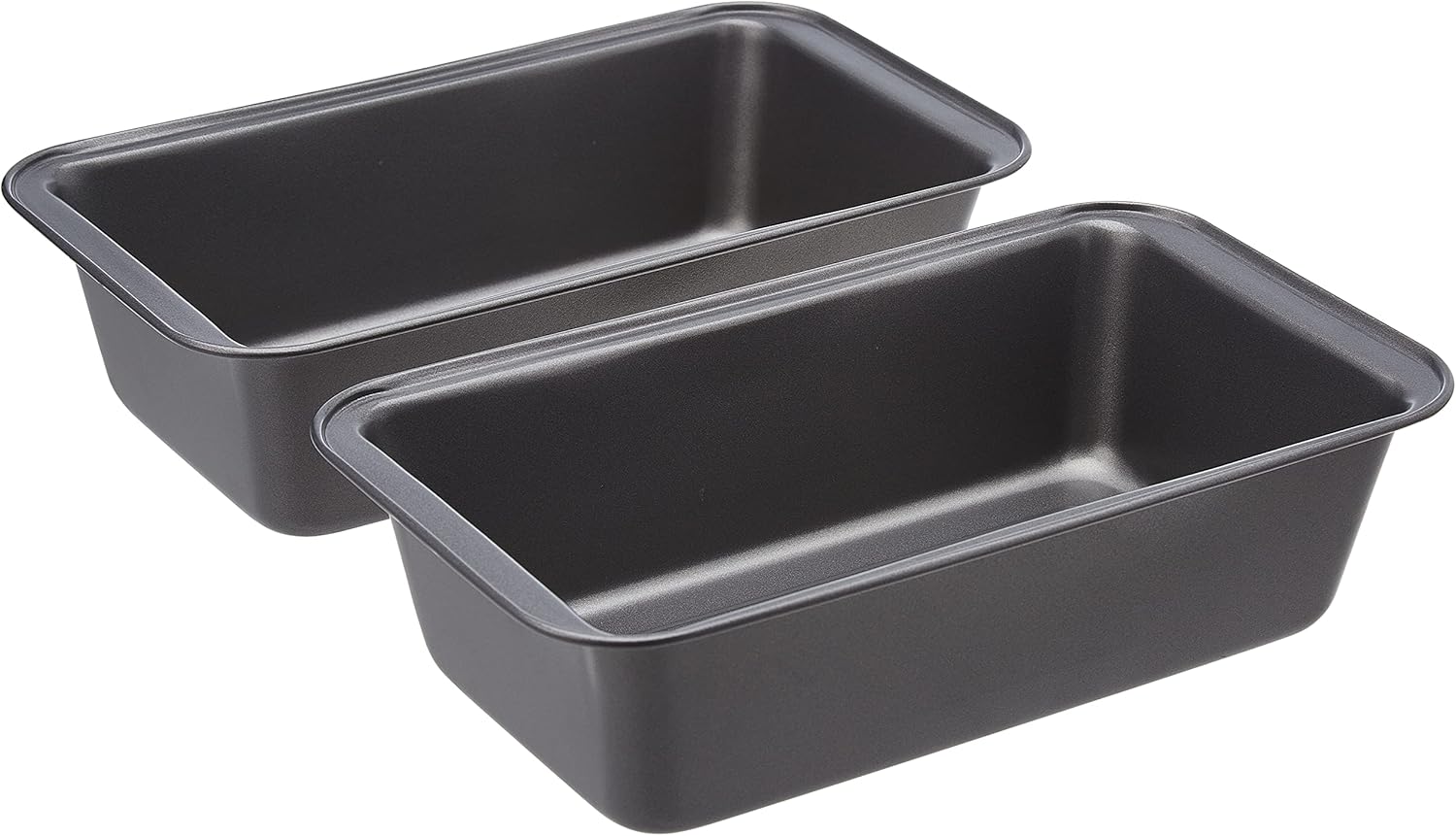
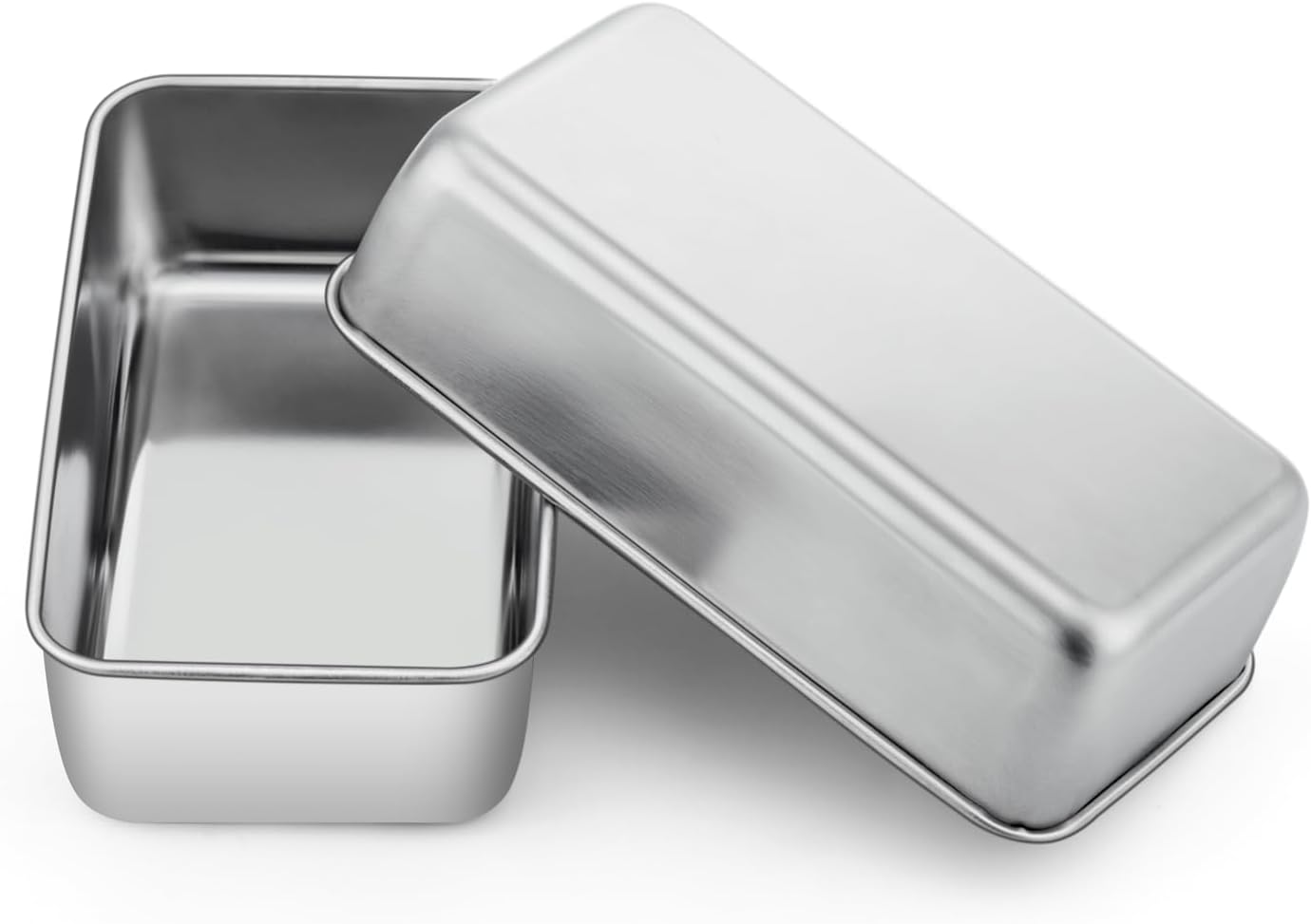
Choosing the correct material for your 9x5 bread loaf pan directly influences baking performance and thermal conductivity. Heavy-duty carbon steel and aluminized steel heat up rapidly, promoting even browning across crusts. Stainless steel offers exceptional rust resistance and durability without chemical coatings, though it requires proper greasing. Evaluating how each metal handles heat helps you achieve consistent results for cakes, breads, and savory meatloaves.
Different metals also impact the overall weight and structural rigidity of the bakeware during high-heat baking. Thicker gauges prevent warping when transitioning from room temperature to hot ovens. Understanding these metallurgical differences ensures your investment survives years of frequent kitchen use without losing its shape or efficiency.
Nonstick Coatings Versus Uncoated Surfaces
Choosing nonstick coatings simplifies the baking process by allowing breads and cakes to slide out effortlessly without tearing delicate crusts. Modern surfaces featuring PTFE-free or standard nonstick layers reduce the need for excessive butter or oiling. However, these coated metal surfaces often demand gentle hand washing to preserve their functional lifespan over years of regular home baking sessions and frequent culinary preparations.
Uncoated stainless steel alternatives eliminate worries about peeling chemical coatings or upper temperature thresholds entirely. While they require thorough manual greasing before adding wet batter, they tolerate aggressive cleaning and metal utensils without surface degradation. Weighing your personal preference for effortless food release against long-term coating maintenance guides your final purchasing decision effectively.
Temperature Ratings and Oven Safety
Every 9x5 bread loaf pan specifies a maximum temperature limit that must be respected to prevent warping or coating damage. Standard carbon steel pans frequently handle temperatures up to four hundred twenty-eight or five hundred degrees Fahrenheit safely. Checking these operational thresholds ensures your bakeware performs reliably whether you are baking standard sandwich bread or roasting dense casseroles at high heat.
Exceeding manufacturer temperature recommendations can degrade nonstick properties or cause structural deformation over time. Always verify your oven calibration and match it against the pan specifications before attempting specialized high-heat baking tasks. Proper thermal management protects your bakeware investment and maintains consistent baking quality across every recipe you try.
Cleaning and Maintenance Requirements
Proper maintenance extends the functional life of your baking pans and keeps them looking pristine in your kitchen cabinets. While many modern steel pans feature dishwasher-safe designations, manufacturers frequently recommend gentle hand washing with mild soap to protect delicate nonstick coatings from harsh automatic dishwashing detergents. Adhering to these cleaning guidelines prevents premature wear and maintains smooth food release performance.
Uncoated stainless steel bakeware offers more lenient cleaning options, easily withstanding rigorous scrubbing or automatic dishwashing cycles without surface damage. Establishing a consistent cleaning routine prevents stubborn baked-on residue accumulation in tight corners and rounded crevices. Balancing your desire for quick dishwasher cleanup with the longevity of specialized coatings ensures lasting kitchen satisfaction.
Storage and Kitchen Space Management
Owning multiple loaf pans or multi-pack sets requires careful consideration of available cabinet and pantry storage space in your home. Dual-pack and triple-pack configurations can stack together efficiently, but they still demand significantly more room than a single standalone pan. Assessing your kitchen storage capacity before purchasing prevents cabinet overcrowding and keeps your baking supplies neatly organized.
Accessories like precut parchment paper liners or extra baking tools also add to the overall storage footprint inside your kitchen. Choosing versatile pans that serve multiple functions, such as baking sandwich bread and roasting savory vegetables, maximizes your storage efficiency. Thoughtful spatial planning ensures your bakeware collection remains easily accessible and practical for everyday cooking needs.
Multi-Pack Value and Accessories
Purchasing multi-pack loaf pans provides excellent value for home bakers who frequently engage in batch cooking or holiday prep. Sets containing two or three pans allow you to bake multiple loaves simultaneously, saving both time and electrical energy. Evaluating whether you need batch-baking capacity helps determine if a multi-pack is the right choice for your household.
Some bakeware sets include thoughtful extras like precut parchment paper liners equipped with convenient lifting handles. These accessories eliminate guesswork and simplify the demoulding process for sticky sweet or savory breads. Assessing bundled extras ensures you select a package that delivers maximum convenience right out of the box.
Frequently asked questions
Do I need to grease a nonstick 9x5 bread loaf pan before baking?
While nonstick coatings are specifically designed to facilitate effortless food release without heavy preparation, applying a light layer of oil or butter is still recommended for delicate recipes like high-sugar cakes or sticky sweet breads. For uncoated stainless steel pans, thorough greasing is mandatory to prevent batter from bonding to the metal surface during high-heat baking. Evaluating your specific pan material and recipe type ensures your baked goods slide out smoothly without tearing or leaving stubborn residues behind in the corners.
Can I put my 9x5 bread loaf pan in the dishwasher?
Cleaning instructions vary depending on the specific manufacturing materials and surface coatings of your pan. While several heavy-duty steel pans feature dishwasher-safe designations, many manufacturers explicitly recommend gentle hand washing with mild soap to preserve nonstick coatings over years of regular use. Uncoated stainless steel options withstand automatic dishwashing cycles without risking coating degradation. Always review the manufacturer care guidelines provided with your specific bakeware model before placing it in the dishwasher.
What is the advantage of a corrugated surface on a loaf pan?
A corrugated surface design features raised ridges across the bottom of the pan that promote superior air circulation underneath the baking dough. This enhanced airflow facilitates even heat distribution, helping your breads and cakes achieve uniform browning while preventing hot spots. Additionally, the reduced surface contact area minimizes suction, allowing baked goods to release quickly and cleanly when inverted. This professional feature is especially popular for achieving artisan-quality crusts during regular home baking sessions.
How do I choose between carbon steel and stainless steel loaf pans?
Carbon steel pans excel at rapid thermal conductivity and even heat distribution, making them exceptional for achieving uniform crusts on breads and pound cakes. They usually feature nonstick coatings that simplify food release. Stainless steel pans offer a completely toxic-free, rust-resistant cooking surface that tolerates aggressive cleaning and metal utensils without peeling coatings. Your choice depends on whether you prioritize nonstick convenience and fast heating or lifelong durability without chemical coatings.
Are parchment paper liners necessary for baking bread in a loaf pan?
Parchment paper liners are not strictly required, but they offer remarkable convenience when baking sticky recipes like banana bread, meatloaf, or artisan sourdough. Precut liners equipped with lifting handles allow you to lift delicate bakes straight out of the pan effortlessly, eliminating the need for tapping or struggling with stuck edges. They also protect the pan surface from direct contact, speeding up cleanup. If you bake frequently, using liners streamlines both your preparation and post-baking maintenance routines.