Appliances · Buying Guide
Best 9x5 in Loaf Pan Options for Everyday Baking
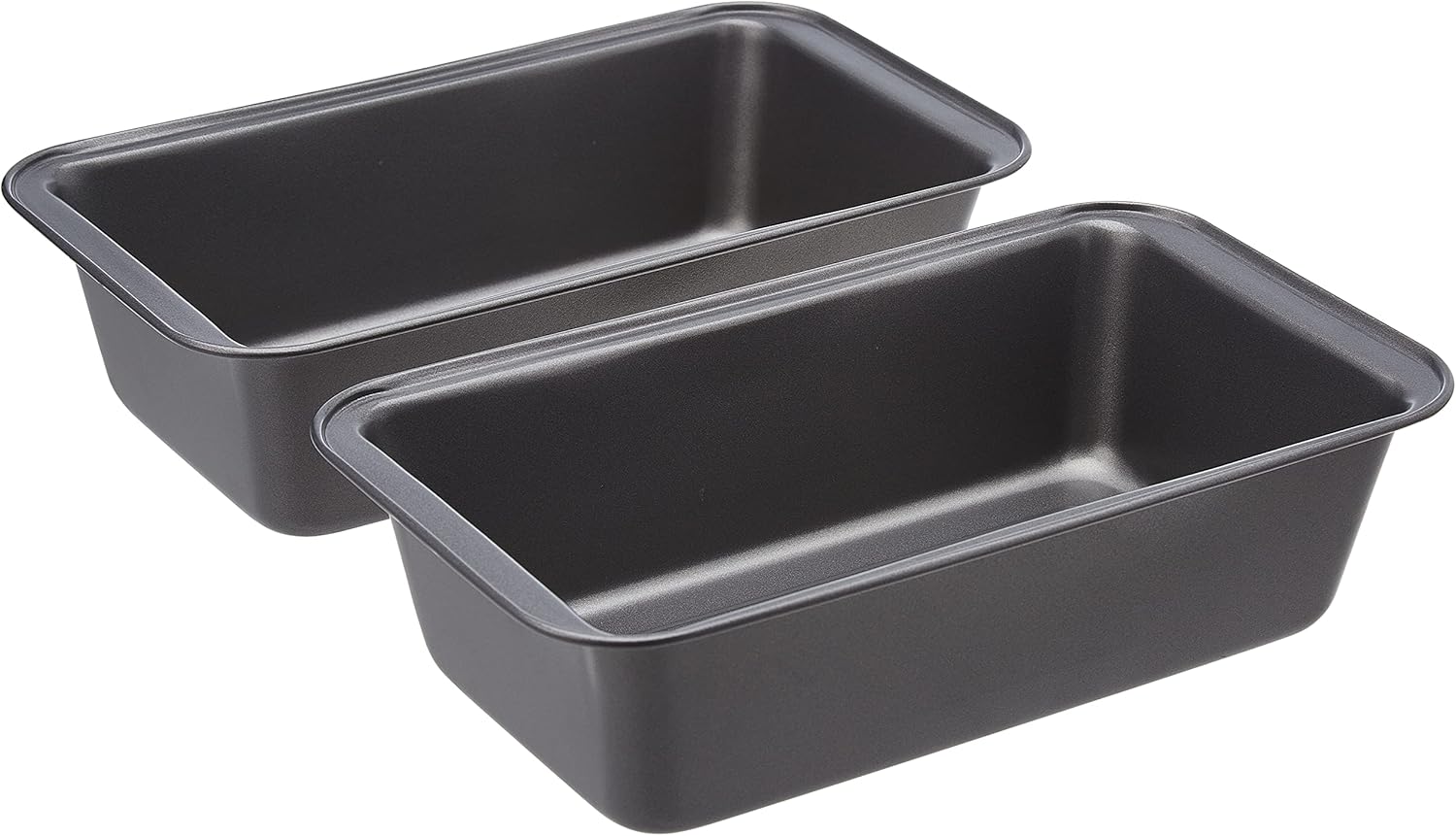
Baking delicious homemade bread, savory meatloaf, or rich pound cakes starts with choosing the right bakeware. A standard 9x5 in loaf pan provides the ideal proportions for uniform baking, ensuring your recipes rise properly and develop a golden crust. Whether you are an experienced home baker or just starting out, having dependable pans makes all the difference in the kitchen.
Different materials and designs offer unique benefits, from carbon steel and aluminized steel to specialized nonstick coatings. Evaluating construction, heat distribution, and cleaning requirements helps you find the right option for your culinary routine. Explore these top selections to discover a reliable pan that matches your favorite baking recipes.
As an Amazon Associate, StacyLaughs earns from qualifying purchases.
Buying guide
Material Composition and Durability
Choosing the correct material for your loaf pan directly impacts how well your baked goods brown and how long the bakeware lasts in your kitchen environment. Carbon steel and heavy-gauge aluminized steel remain popular choices due to their robust structural strength and reliable resistance to warping under high oven temperatures during everyday meal preparation routines.
These sturdy metals provide superior heat distribution, ensuring your homemade breads, cakes, and savory meatloaves cook evenly from edge to center without hot spots. While certain metal pans tolerate automated dishwasher cycles, evaluating your preferred cleaning routine helps determine whether standard steel or specialty coated alternatives best match your personal kitchen habits and storage needs.
Nonstick Coatings and Food Release
Nonstick coatings play a vital role in ensuring your baked creations release smoothly from the pan without tearing or sticking to the interior surfaces. Many modern pans feature advanced silicone infusions or multi-layer nonstick treatments designed to simplify serving. This feature allows you to turn out cakes and breads cleanly or serve meatloaf directly from the baking container.
When selecting a coated pan, consider the specified maximum temperature ratings to prevent damaging the nonstick layer during high-heat baking tasks. Reviewing manufacturing guidelines regarding utensils also helps preserve the coating over years of regular use. Selecting a reliable nonstick surface reduces the need for excessive greasing and streamlines your post-baking cleanup process significantly.
Dimensions and Capacity Considerations
Standard nine by five inch loaf pans offer versatile capacity for baking traditional yeast breads, quick breads, pound cakes, and compact casseroles. However, exterior dimensions and wall depths can vary slightly between manufacturers, influencing how much batter the pan can safely hold without spilling over the edges. Checking these specific measurements prevents unexpected overflow during the rising and baking process.
Additionally, outer dimensions dictate how well the pan fits onto your oven racks and inside kitchen storage cabinets alongside your other bakeware. Selecting a model with balanced proportions ensures compatibility with standard recipes while accommodating your kitchen space limitations. Evaluating these physical dimensions guarantees a seamless fit for your daily baking projects and storage requirements.
Handling Comfort and Rim Design
Handling a hot loaf pan safely requires thoughtful design features, particularly when removing heavy bakes from a hot oven. Pans equipped with extended handles or wide rims provide a secure gripping surface for oven mitts, reducing the risk of slips or spills. These ergonomic elements make transferring heavy meatloaves or dense doughs much more manageable during busy cooking sessions.
Paying attention to rim construction helps you find bakeware that feels balanced and secure in your hands. A well-designed rim offers extra clearance for fingers, allowing you to lift the pan confidently without touching the hot contents. Prioritizing comfortable handling features enhances overall kitchen safety and makes your routine baking tasks significantly more pleasant and controlled.
Heat Distribution and Baking Performance
Achieving a uniform golden crust and a properly baked interior depends heavily on how efficiently a pan distributes heat across its base and walls. Heavy-weight steel and carbon steel materials excel at conducting thermal energy evenly, preventing localized burning or undercooked centers. This consistent thermal performance ensures that your delicate cakes and dense breads bake uniformly every single time.
Some specialized designs also incorporate textured surfaces, such as corrugations, to promote better air circulation around the baking dough. Evaluating how a pan handles heat helps you choose an option tailored to your specific baking preferences and recipe requirements. Reliable heat distribution translates directly to professional-looking results in your home kitchen without requiring complex adjustments.
Maintenance and Cleaning Guidelines
Maintaining your loaf pan properly ensures long-lasting performance and preserves the integrity of nonstick coatings and metal surfaces. While many modern pans claim dishwasher safety, manufacturers frequently recommend hand washing with mild soap to extend the lifespan of nonstick layers. Adhering to these maintenance guidelines prevents premature wear and keeps your bakeware looking well-maintained over years of use.
Proper drying and safe storage practices further protect steel pans from moisture exposure and potential surface blemishes between baking projects. Reviewing the care instructions provided for your specific model guarantees that you follow the manufacturer recommendations accurately. Taking these simple maintenance steps protects your investment and ensures consistently dependable baking results for all your favorite recipes.
Frequently asked questions
What can I bake in a standard 9x5 in loaf pan?
A standard nine by five inch loaf pan is exceptionally versatile, making it suitable for far more than traditional yeast bread. You can use it to bake sweet quick breads like banana or zucchini bread, rich pound cakes, and savory meatloaves. It also accommodates smaller portions of casseroles, thick brownies, and layered lasagnas. This flexibility turns the pan into a staple bakeware item in any home kitchen, allowing you to experiment with various recipes easily while achieving reliable baking proportions.
Are carbon steel loaf pans safe for dishwasher cleaning?
Many carbon steel loaf pans feature dishwasher-safe designations for added convenience after baking messy items like meatloaf. However, manufacturers frequently recommend hand washing with mild soap and warm water to preserve the lifespan of the nonstick coating. Putting coated pans through harsh dishwasher cycles repeatedly can degrade the surface over time. Reviewing the specific product care instructions helps you decide whether to use the dishwasher or stick to manual washing to maintain long-term performance.
Why do some loaf pans feature a corrugated surface?
Certain commercial-grade loaf pans incorporate a unique textured or corrugated surface design to improve baking performance. The raised ridges facilitate enhanced air circulation underneath the baking dough, promoting even heat transfer and quick food release. This specialized design helps prevent sticking and encourages uniform browning across your breads and cakes. While textured surfaces require a bit more attention during manual cleaning compared to smooth pans, they offer distinct advantages for achieving professional-quality baking results at home.
How do I choose between a single pan and a multi-pack?
Choosing between a single loaf pan and a set of two depends entirely on your typical baking volume and kitchen storage capacity. A multi-pack is ideal if you frequently batch-bake multiple loaves of bread, prepare twin meatloaves for freezing, or entertain guests regularly. On the other hand, a single high-quality pan suits casual bakers who only prepare occasional treats and need minimal cabinet storage space. Assessing your family size and baking frequency will guide you toward the most practical purchasing decision.
What maximum temperature can nonstick loaf pans handle?
Most standard nonstick carbon and steel loaf pans are engineered to withstand oven temperatures up to 450 degrees Fahrenheit, though limits can vary slightly depending on the specific model. Exceeding the recommended upper temperature rating can damage the nonstick coating, diminish food release performance, and potentially warp the metal structure. Always check the manufacturer temperature specifications before preheating your oven, especially when experimenting with high-heat roasting or specialized baking recipes that require intense thermal environments.