Appliances · Buying Guide
Best 9x5 Inch Loaf Pans for Everyday Baking Success
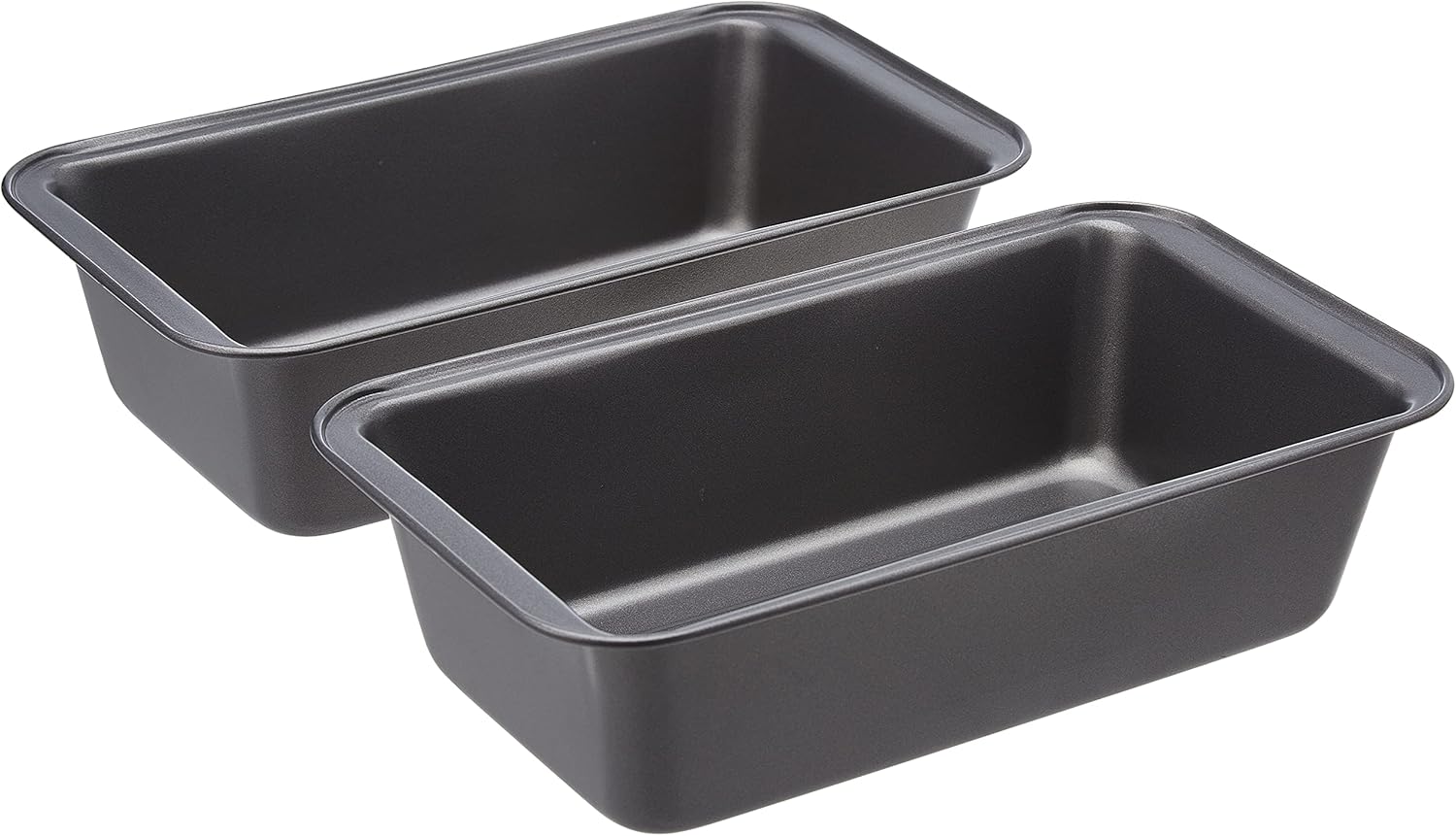
Choosing the right 9x5 inch loaf pan transforms how you bake everything from classic sandwich bread to savory meatloaf. Standard loaf dimensions offer reliable capacity for everyday recipes, ensuring your doughs and batters rise evenly and bake thoroughly. Selecting a pan involves weighing material properties like heavy-gauge steel, carbon steel, or aluminized steel against your cleanup preferences and oven temperature requirements.
Different designs incorporate features like extended handles for safer gripping, nonstick coatings for easy food release, and corrugated surfaces to improve airflow. Whether you need a multi-pack for batch baking or a specialized commercial-grade pan, understanding these core construction differences helps you find a durable kitchen tool that matches your daily routine.
As an Amazon Associate, StacyLaughs earns from qualifying purchases.
Buying guide
Material Selection for Loaf Pans
Choosing the right metal material dictates how evenly your bread browns and how long your bakeware resists warping under high heat. Carbon steel, heavy-weight steel, and aluminized steel dominate the market due to their structural strength and thermal conductivity. These metals withstand frequent baking without bending or flexing, giving you a reliable foundation for yeast breads, pound cakes, and savory meatloaves alike.
Heavy-weight steel builds absorb oven heat rapidly and distribute it uniformly across the base, preventing hot spots and burnt crusts. When shopping, select a material that aligns with your preferred cleaning routine, storage conditions, and desired lifespan for everyday kitchen tasks. High-quality metals ensure your baked goods maintain proper structure and rise evenly every single time you use the pan.
Nonstick Coatings and Safety Standards
Nonstick coatings simplify the baking process by allowing delicate breads and dense meatloaves to slide out cleanly without leaving stubborn crumbs behind on the metal. Many modern manufacturers produce these surfaces without adding harmful industrial substances like PTFE, PFOA, lead, cadmium, or BPA. This manufacturing approach gives safety-conscious home bakers extra peace of mind when preparing everyday meals.
Maintaining a nonstick surface requires careful attention to manufacturer care guidelines, such as avoiding metal utensils and abrasive scouring pads that can scratch the finish. Even when pans are labeled dishwasher safe, gentle hand washing often preserves the coating integrity much longer. Evaluating these coating properties ensures your bakeware remains effective through years of regular recipe preparation and effortless food release.
Evaluating Handle Design and Oven Safety
Handling a heavy, hot loaf pan filled with dense dough or bubbling meatloaf requires secure, well-designed grips. Pans featuring wide rims or extended handles give you plenty of space to maintain a firm hold while wearing thick oven mitts or bulky potholders. This extra grip security prevents accidental slips during transit from the countertop to the hot oven rack.
Always check the maximum temperature ratings specified for your bakeware before placing it in a blazing hot oven. Exceeding upper thermal limits can degrade nonstick finishes or warp the metal structure over time. Choosing a pan with a robust temperature threshold guarantees safe performance across diverse baking applications, ranging from standard yeast bread recipes to high-heat roasting tasks.
Understanding Surface Textures and Airflow
Surface textures play a surprising role in how successfully your baked goods release from the metal. While smooth carbon steel offers a classic baking experience, specialized corrugated surfaces introduce tiny ridges that elevate dough slightly. This subtle elevation encourages better air circulation beneath the loaf during the initial baking phase.
Improved airflow promotes even browning along the bottom crust and helps prevent moisture pockets from forming underneath your homemade bread. Keep in mind that textured surfaces may require slightly more attention during manual cleanup to clear baking residues from the tiny recessed channels. Weighing these textural differences helps you select the ideal pan style for your specific bread recipes.
Maintenance, Cleaning, and Care Instructions
Proper maintenance extends the lifespan of your loaf pans and preserves their nonstick performance over years of regular kitchen use. While many steel pans are officially marked as dishwasher safe, manufacturers frequently recommend gentle hand washing with mild soap and warm water to prevent premature wear on the protective coating.
Following specific cleaning guidelines keeps your bakeware looking pristine and functioning smoothly without unexpected surface degradation. Avoid harsh metal scrubbers and abrasive powders that can scratch the delicate finish, opting instead for soft sponges and cloths. Investing a little extra time into manual washing safeguards your kitchen investment and ensures consistent, dependable baking results every time.
Sizing, Capacity, and Kitchen Storage
Standard 9 by 5 inch dimensions provide a versatile capacity that accommodates typical bread recipes, family-sized meatloaves, and pound cakes comfortably. However, exterior overall dimensions can vary significantly depending on whether a pan includes extended gripping handles or wide rim flanges. These extra design elements directly affect how the pan fits inside your oven cavity and kitchen storage cabinets.
Measure your oven interior and storage spaces carefully before purchasing multi-packs or large-handled models to avoid cramped kitchen conditions. Ensuring a proper fit guarantees that your bakeware stores neatly alongside your other kitchen essentials without causing clutter or accessibility issues during busy meal preparation moments. Taking these measurements prevents storage frustrations later.
Frequently asked questions
What types of recipes work best in a 9x5 inch loaf pan?
A 9x5 inch loaf pan is exceptionally versatile, making it ideal for baking traditional yeast breads, quick breads like banana bread, pound cakes, and meatloaves. Its standard dimensions also accommodate smaller portions of lasagnas, casseroles, and thick brownies. The generous volume allows batters and doughs to rise naturally and bake thoroughly throughout the center. When filling the pan, always leave a small gap at the top to prevent overflow as your recipe rises and expands in the hot oven.
Should I grease a nonstick 9x5 inch loaf pan before adding batter?
Even though many loaf pans feature advanced nonstick coatings, lightly greasing or flouring the interior can provide an extra layer of insurance for sticky recipes like sugar-heavy cakes or sweet breads. For everyday use, following the specific recipe instructions is always recommended. If a recipe relies heavily on dairy or sugar, a light application of butter, oil, or baking spray ensures your finished baked goods slide out effortlessly without tearing or sticking to the metal surface.
Can I put my metal loaf pan in the dishwasher?
Dishwasher safety varies depending on the specific manufacturer guidelines for each loaf pan model. While several steel and carbon steel pans are officially rated as dishwasher safe, many manufacturers recommend hand washing with mild soap to preserve the nonstick coating over the long term. Running bakeware through harsh automated dishwasher cycles repeatedly can cause the coating to degrade prematurely. Checking the product specifications helps you decide whether to use your machine or hand wash.
Why does my loaf pan feature a corrugated surface?
Certain commercial-grade aluminized steel loaf pans incorporate a unique corrugated surface design featuring tiny ridges along the bottom. These recessed channels elevate dough slightly, allowing air circulation to move freely underneath the baking loaf. This enhanced airflow promotes even browning across the bottom crust and supports quick food release once the baking process is complete. While slightly trickier to wipe clean by hand, corrugated designs offer noticeable baking advantages for dedicated bread makers.
How do extended handles affect loaf pan storage and usage?
Extended handles or wide rim flanges provide a secure gripping surface when you lift heavy, hot pans out of the oven wearing bulky potholders. This design significantly improves safety and transport ease. However, these protruding handles increase the overall physical footprint of the bakeware. Before purchasing an extended-handle model, measure your kitchen cabinets and dishwasher interior to ensure the pan fits comfortably without causing storage obstructions or bumping against other items.