Appliances · Buying Guide
Best Air Fryer Pizza Dough Ovens for Homemade Crusts
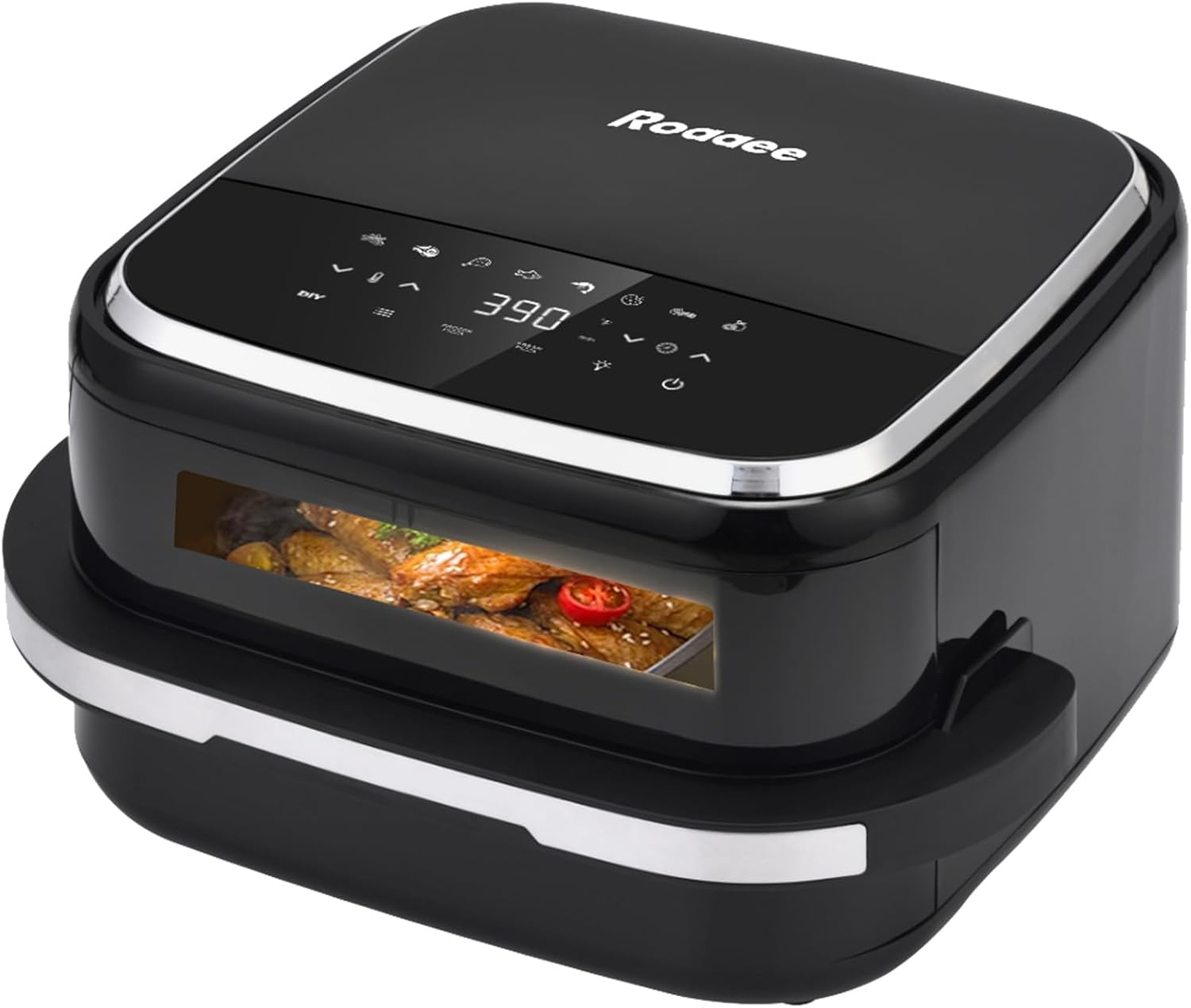
Making homemade pizza dough in a dedicated air fryer or countertop oven requires appliances capable of handling high temperatures and versatile heat distribution. Whether you prefer a thin, crispy Neapolitan-style crust or a thick, pan-style base, having the right equipment transforms how raw dough bakes right in your kitchen.
Modern countertop ovens combine rapid air circulation with dedicated pizza modes, specialized baking stones, and precise digital controls. These features help home cooks achieve professional-quality textures without traditional outdoor brick ovens. Exploring different capacities and heating technologies ensures you find a model that matches your favorite dough recipes, family size, and everyday cooking space constraints.
As an Amazon Associate, StacyLaughs earns from qualifying purchases.
Buying guide
Capacity and Size Dimensions
Selecting the right capacity for baking pizza dough depends heavily on your household size and available kitchen counter space. Compact 4.5-quart and 6.5-quart models fit single 11-inch or 12-inch pies easily, making them ideal for individuals or small families. They occupy minimal surface area, allowing seamless integration into restricted kitchens.
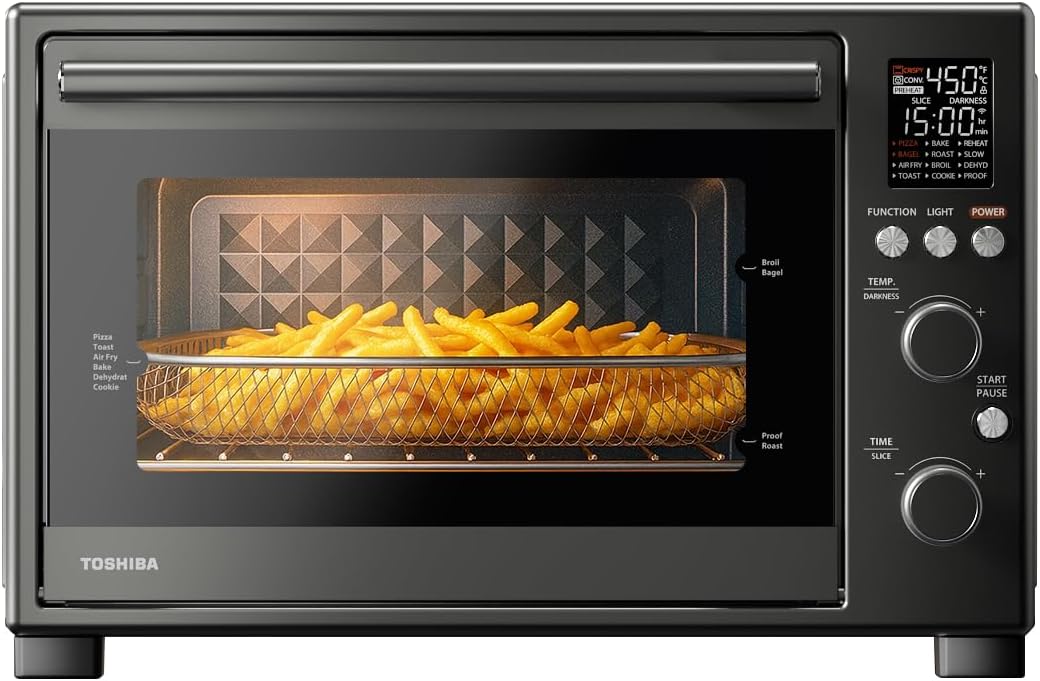
Larger 26-quart to 34-quart countertop ovens accommodate 13-inch pizzas or multiple trays simultaneously. While these expansive appliances require considerably more counter clearance, they eliminate the need for sequential batch cooking when feeding larger groups. Evaluate your typical meal portions against your kitchen layout before choosing.
Temperature Range and Heat Delivery
High temperature capabilities are essential for achieving authentic, pizzeria-style crusts with homemade dough. Models featuring standard ranges up to 450 degrees Fahrenheit handle everyday baking tasks and crisp toppings effectively. Advanced units reaching up to 800 degrees Fahrenheit provide intense thermal energy for rapid baking and superior crust charring.
Dual heating elements and rapid air circulation technologies ensure heat reaches both the top and bottom of the dough simultaneously. This balanced distribution prevents soggy centers without requiring you to manually flip the crust halfway through the cooking cycle, streamlining your overall baking routine.
Included Accessories and Baking Surfaces
The inclusion of specialized accessories directly influences how successfully raw pizza dough transforms into a crisp-crusted pie. Cordierite pizza stones absorb and distribute thermal energy evenly, replicating traditional brick oven baking results. Flat air frying pans offer alternative non-stick surfaces optimized for square dough formatting.
Removable oven racks, crumb trays, and dedicated baking trays add practical convenience for catching cheese drippings and food debris. Reviewing which accessories come bundled with the appliance helps ensure you have the proper tools for baking, broiling, and general maintenance right out of the box.
Dough Proofing and Versatile Cooking Modes
Versatile countertop ovens often incorporate dedicated low-temperature settings designed specifically for proofing homemade yeast dough. A stable environment around 80 degrees Fahrenheit allows dough to rise properly without requiring an independent warm room or proofing box. This feature simplifies bread and pizza preparation.
Beyond basic pizza baking, multi-function appliances offer preset menus for air frying, roasting, dehydrating, and toasting. Selecting a machine with diverse operating modes maximizes kitchen utility, letting you transition smoothly from proofing raw dough to cooking appetizers and full family meals.
Control Interfaces and Precision Settings
Control methods vary between digital touch panels, button controls, and traditional mechanical knobs. Digital interfaces with precision temperature adjustments allow you to modify cooking parameters in fine 5-degree increments. This level of control helps dial in the exact heat needed for delicate dough recipes.
Mechanical knobs offer straightforward, tactile operation for quick adjustments without navigating multi-layered digital menus. Consider whether you prefer the sleek appearance and exact numeric programming of touch controls or the immediate simplicity of turning a physical dial during busy meal prep.
Cleaning and Maintenance Requirements
Maintaining a clean interior is crucial when baking sticky pizza dough and melted cheese at high temperatures. Smooth stainless steel or scratch-resistant enamel cavity walls allow you to wipe away grease and food splatters quickly after each baking session, reducing long-term buildup.
Removable crumb trays and dishwasher-safe components simplify routine cleanup tasks significantly. Note that specialty items like cordierite pizza stones typically require hand-washing rather than machine cleaning. Reviewing manufacturer maintenance guidelines ensures your baking surfaces remain in optimal condition over time.
Frequently asked questions
Can I bake raw homemade pizza dough directly in an air fryer or countertop oven?
Yes, many modern countertop ovens and air fryers include dedicated pizza modes, flat pans, or pizza stones designed specifically to handle raw dough. High-temperature heating elements cook the base and melt toppings simultaneously. For best results, ensure your dough is rolled or stretched to fit the specified pan dimensions or stone surface of your chosen appliance. Utilizing preheat functions helps establish a hot cooking environment so the crust starts crisping immediately upon insertion.
Do I need a pizza stone to make good pizza dough in a countertop oven?
A pizza stone is not strictly required, but it significantly enhances crust texture by absorbing and retaining high heat to mimic traditional brick ovens. Many air fryers use non-stick flat pans or metal racks with rapid air circulation to achieve crispy results without a stone. If you prefer a traditional pizzeria-style crust with a charred, bubbly edge, selecting a model that includes a cordierite stone is highly beneficial for your baking routine.
How do I prevent my homemade pizza dough from becoming soggy in the middle?
Preventing a soggy center involves managing moisture from sauce and toppings while ensuring adequate bottom heat. Appliances equipped with dual heating elements, bottom airflow technology, or dedicated pizza modes deliver thermal energy directly beneath the crust. Preheating your oven or pizza stone thoroughly before adding the assembled pie also helps set the dough quickly, sealing the surface against excess moisture absorption from your toppings during the baking cycle.
Can countertop ovens with proofing modes help my pizza dough rise?
Yes, specific countertop oven models feature dedicated low-temperature proofing functions, often operating around 80 degrees Fahrenheit. This controlled, gentle warmth provides an optimal environment for yeast activation and dough expansion, saving you from finding a warm draft-free spot in your kitchen. Utilizing a built-in proofing mode streamlines the entire bread-making or pizza preparation process by keeping the rising phase contained within the same appliance you will eventually use to bake.
How should I clean cheese and dough residue from my pizza air fryer?
Cleaning methods depend on the interior materials and included components of your specific appliance. Smooth stainless steel or scratch-resistant enamel interiors generally wipe clean easily with a damp cloth and mild soap. Removable crumb trays, wire racks, and non-stick pans are often dishwasher-safe for effortless maintenance. However, specialty baking stones typically require hand-washing with warm water and no harsh detergents to protect their porous structure over years of repeated use.