Appliances · Buying Guide
Best Aluminum Cookie Sheets Safe Options for Your Kitchen Bakery
Baking and roasting require reliable pans that distribute heat evenly to prevent burnt bottoms and uneven cooking results. Many home bakers look closely at material composition when selecting cookware, aiming to understand how different metals perform in the oven. Aluminum is a popular choice due to its thermal conductivity, helping treats bake efficiently without excessive wait times.
Choosing the right baking sheet involves evaluating size, rim construction, and cleaning requirements to match your typical cooking habits. Whether you need heavy-duty options for large batches of cookies or convenient disposable pans for quick cleanup, understanding these physical attributes helps you select a suitable baking pan for your daily meal preparation routines.
As an Amazon Associate, StacyLaughs earns from qualifying purchases.
Buying guide
Evaluating Metal Types and Coatings
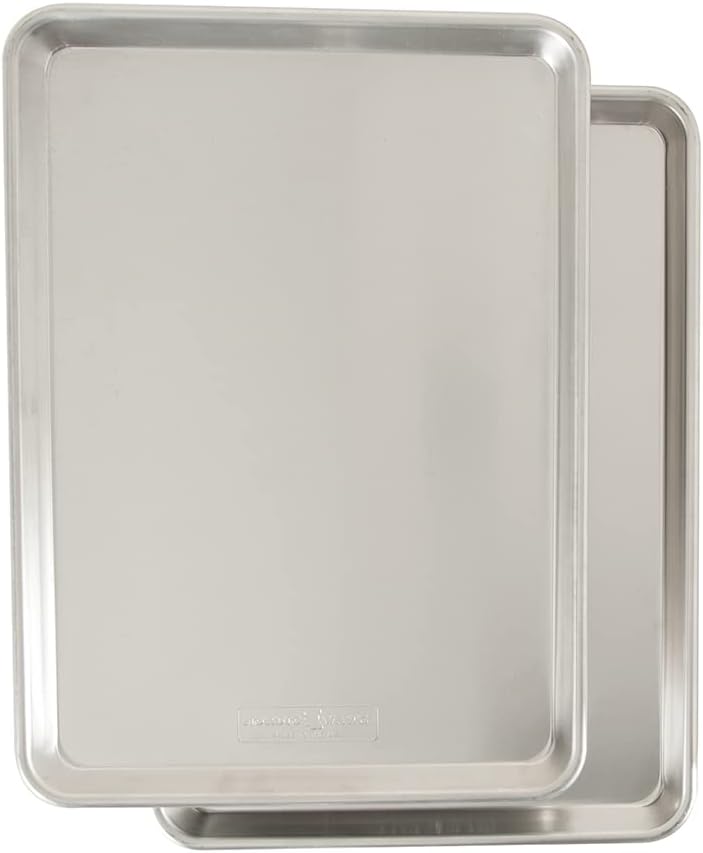
Choosing between bare aluminum, aluminized steel, and disposable foil depends heavily on your specific baking habits and maintenance preferences. Uncoated aluminum provides exceptional thermal conductivity, heating up quickly and distributing warmth evenly to prevent burnt bottoms on delicate cookies. However, it often requires manual hand washing to maintain its finish and avoid cosmetic discoloration over time.
Aluminized steel combines the strength of steel with the heat properties of aluminum, often featuring nonstick coatings for easy food release. While these coated pans simplify cleaning, they require careful handling with non-metal utensils to protect the surface layer. Understanding how each material reacts to heat helps you select a pan that matches your culinary routine.
Matching Pan Size to Oven Capacity
Baking sheets come in various dimensions, ranging from compact quarter sheets to large commercial half-sheet pans designed for high-volume baking. Before making a purchase, measure your oven interior and kitchen storage spaces to ensure the pans fit comfortably during both baking sessions and daily storage routines. Large eighteen by thirteen inch pans maximize cooking output for big batches of cookies or roasted vegetables, but they demand significant cabinet room.
Smaller thirteen by nine inch options fit easily in compact ovens and standard home refrigerators, making them versatile for freezing foods and roasting smaller meal portions. Matching the pan dimensions to your typical recipe volume prevents overcrowding in the oven and ensures proper airflow around the edges for even heat distribution across your culinary creations.
Understanding Rims and Warp Resistance
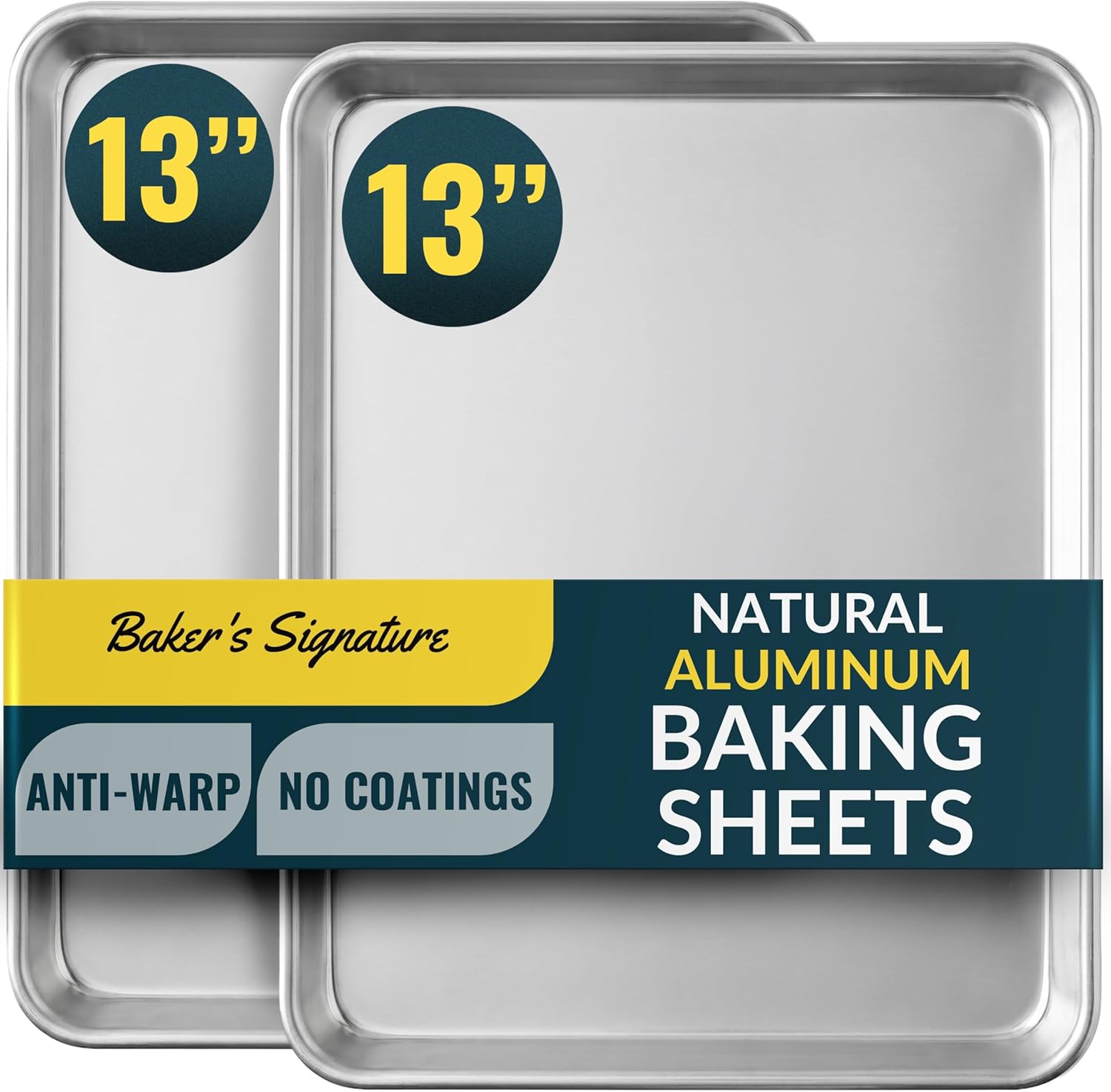
Rim construction plays a vital role in maintaining the structural integrity of baking sheets when exposed to high oven temperatures. Many aluminum pans feature reinforced galvanized steel rims or rolled edges that add rigidity and prevent the metal from bending or twisting during heating. This anti-warp design keeps the baking surface flat and stable over repeated use.
Raised rims also serve a practical purpose by containing juices and preventing food from sliding off the tray during transport. When handling heavy loads or roasting juicy meats, tall edges help minimize spills onto the oven floor. Evaluating the rim design ensures your baking sheet remains durable and reliable through countless recipes.
Cleaning and Maintenance Guidelines
Proper maintenance extends the lifespan of your baking sheets and keeps them performing at their best over years of regular use. Uncoated aluminum pans generally require hand washing with mild soap, as dishwasher exposure can cause harmless surface oxidation and cosmetic discoloration. Stubborn food residue on bare aluminum can often be cleaned effectively using natural baking soda pastes or lemon juice solutions.
In contrast, nonstick aluminized steel pans and disposable foil options offer simplified cleanup routines, with many permanent nonstick models rated as dishwasher safe. Reviewing specific manufacturer care instructions helps you preserve specialized coatings and metal finishes. Following these guidelines prevents premature wear and ensures your baking sheets remain ready for everyday kitchen tasks.
Heat Distribution and Thermal Performance
The ability of a baking sheet to distribute heat evenly directly impacts your cooking and baking outcomes. Aluminum is widely recognized for its superior thermal conductivity, allowing pans to heat up quickly and spread warmth uniformly across the entire surface. This rapid heat transfer helps achieve evenly browned cookies and roasted vegetables without hot spots.
Aluminized steel also provides dependable heat distribution by combining steel strength with metal conductivity properties. Unlike thinner materials that may develop hot spots and cause uneven baking, heavy-gauge metal pans maintain stable temperatures in hot ovens. Evaluating thermal performance helps you choose cookware that supports consistent results across sweet and savory recipes.
Assessing Long-Term Durability
Investing in durable baking sheets ensures your cookware withstands frequent high-heat baking and roasting applications over extended periods of time. Heavy-gauge aluminum and reinforced steel-rimmed pans resist bending and maintain their structural shape through years of demanding kitchen tasks. Selecting robust materials prevents thermal warping, ensuring your pans sit flat on oven racks and provide consistent cooking surfaces for every recipe.
Consider how often you bake and whether you need permanent kitchenware or convenient single-use disposable options for special events. While permanent metal sheets offer long-term value and sturdy construction, disposable foil pans provide unmatched convenience for catering large gatherings without cleanup chores. Balancing durability needs with your daily cooking lifestyle ensures a satisfying and practical purchase.
Frequently asked questions
Is bare aluminum safe for everyday baking?
Yes, bare aluminum is widely used in commercial and home kitchens because it contains no chemical coatings and provides excellent thermal conductivity. Manufacturers craft these pans from food-grade aluminum to ensure they remain non-toxic and durable during high-heat baking and roasting. While bare aluminum may develop a natural dark patina over time through regular use, this process is normal and can actually enhance performance like cast iron. To maintain the metal finish, hand washing is typically recommended instead of using a dishwasher.
Do aluminum baking sheets warp in hot ovens?
High-quality aluminum baking sheets often feature reinforced encapsulated galvanized steel rims designed specifically to resist warping under high oven temperatures. These rigid rims add essential structural strength, helping the pan maintain its flat shape through repeated baking cycles up to high temperature thresholds. However, avoiding thermal shock, such as transferring a scorching hot pan directly into cold water, is vital to preserve the metal integrity and prevent sudden bending or warping over extended periods of use.
What is the difference between quarter sheet and half sheet pans?
The primary difference between quarter sheet and half sheet pans lies in their overall physical dimensions and cooking capacity. Half sheet pans typically measure around eighteen by thirteen inches, offering a large surface area suitable for big batches of cookies, large sheet cakes, or family-sized roasted vegetables. In contrast, quarter sheet pans measure approximately thirteen by nine inches, making them much more compact. Quarter sheets fit easily inside smaller home ovens, toaster ovens, and standard household refrigerators for food prep and freezing.
Can I put my aluminum baking sheets in the dishwasher?
Cleaning instructions vary depending on the specific aluminum sheet construction and whether it features a nonstick coating. Many manufacturers of bare aluminum baking sheets recommend hand washing with mild soap because harsh dishwasher detergents can cause harmless surface oxidation and cosmetic discoloration. On the other hand, certain aluminized steel pans with nonstick coatings are explicitly rated as dishwasher safe for easy cleanup. Always review the specific product care guidelines provided by the manufacturer before running any pan through the dishwasher.
Are disposable aluminum foil sheets practical for regular baking?
Disposable aluminum foil sheets offer exceptional convenience for events, parties, and large gatherings where minimizing cleanup is a priority. These lightweight pans feature thick aluminum foil that provides sufficient thermal conductivity for baking cookies, cakes, or roasting thin items, and they can be thrown away immediately after use. However, they lack the heavy rigid thickness of permanent commercial-grade metal pans, making them less suitable for heavy everyday household cooking and long-term kitchen use.