Appliances · Buying Guide
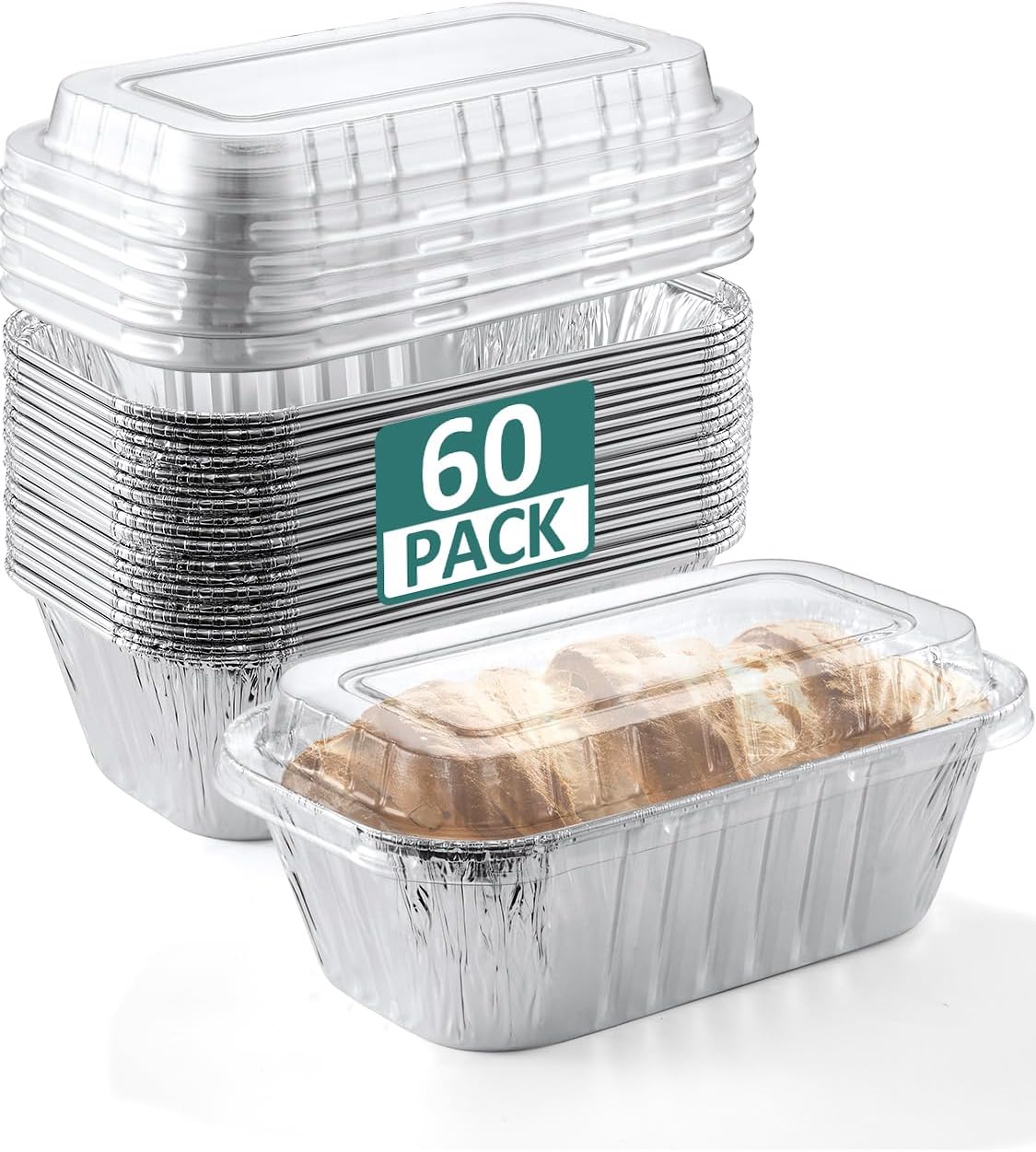
Best Aluminum Loaf Pans with Lids for Baking and Food Storage
Aluminum loaf pans with lids offer a practical approach to baking, serving, and storing various homemade dishes. These disposable containers combine the heat conductivity of metal with the convenience of secure covers, making them popular for everyday cooking tasks. Whether preparing breads, cakes, or roasted vegetables, utilizing these foil vessels simplifies both the cooking process and the subsequent cleanup routine for home bakers and commercial kitchens alike.
Selecting the right option involves evaluating dimensions, pack counts, and temperature tolerances to match specific meal prep requirements. Various configurations provide clear plastic lids for visibility or include extra accessories like parchment paper to assist with food release. Understanding these physical attributes helps shoppers choose containers that fit their exact baking style, storage habits, and portion size demands without unnecessary complications.
As an Amazon Associate, StacyLaughs earns from qualifying purchases.
Buying guide
Material and Gauge Thickness
Aluminum foil construction directly determines how effectively a loaf pan conducts heat during the baking process. Thick gauge metal materials generally offer superior resistance to bending and warping, ensuring consistent and reliable results when preparing heavy batters such as rich meatloaves, dense fruitcakes, or artisanal bread recipes. Evaluating the base metal helps guarantee even thermal transfer across the entire bottom surface of the container.
Selecting a sturdy metal framework helps maintain structural integrity when moving filled pans between kitchen counters, freezers, and active ovens. Evaluating this physical build quality prevents accidental buckling and provides stable support for safely transporting prepared foods to external gatherings, picnics, or family holiday events without structural failure. A robust container reduces the likelihood of messy kitchen accidents during transit.
Sizing and Capacity Dimensions
Choosing the correct physical dimensions ensures your recipes fit comfortably without overflowing during the rising phase. Mini containers holding sixteen ounces suit single servings or small treats, while larger two-pound capacities accommodate standard family recipes and substantial portions. Matching pan length and width to your specific oven space and refrigerator storage shelves prevents frustrating overcrowding issues.
Capacity metrics dictate exactly how much batter or raw ingredients you can add before the baking process begins. Taller sidewalls provide essential expansion room for yeast breads that rise significantly in dry heat. Reviewing exact measurements beforehand ensures the selected bakeware successfully meets your daily portion goals, recipe requirements, and available cabinet storage space constraints.
Temperature Range and Heat Tolerance
Aluminum pans often feature specific upper temperature ratings to guide safe usage inside conventional ovens and toaster ovens. Checking these thermal limits prevents metal degradation or unexpected warping when exposing containers to high heat environments. Many heavy-duty options handle high temperatures up to four hundred forty or five hundred degrees Fahrenheit reliably without losing structural form.
Freezing capability is another vital attribute for individuals who prefer preparing make-ahead meals and freezing portions for later weeks. Containers certified for freezer use transition smoothly from cold storage directly into active heating appliances. Understanding these dual temperature extremes allows users to freeze, store, and bake within the exact same disposable dish effortlessly and efficiently.
Lid Types and Sealing Security
Matching clear plastic lids offer distinct practical advantages for food storage, visual inspection, and daily transport routines. Transparent covers allow home cooks to check contents instantly without unsealing the container, preserving internal freshness and moisture. However, plastic lids must always be detached entirely prior to placing metal containers into active ovens to prevent heat damage or melting.
Secure lid attachment protects delicate baked goods from airborne dust and moisture during transit to outdoor picnics or family gatherings. Evaluating how tightly the plastic cover snaps onto the aluminum rim ensures dependable performance when stacking multiple containers in crowded refrigerators. Proper closure mechanisms provide essential confidence during travel and food sharing activities.
Accessories and Added Value Items
Certain packaging sets include helpful complementary accessories such as custom-cut parchment bread paper sheets or writable adhesive stickers. Parchment paper linings provide an extra non-stick barrier that helps delicate cakes and crusty loaves release effortlessly from the aluminum base surface. This useful addition minimizes baked-on food residue and simplifies post-baking cleanup routines significantly.
Writable stickers serve a practical role in meal organization by allowing users to label contents, track dietary plans, and record preparation dates. These labels help clarify stored food categories or add personal notes when gifting homemade breads to friends. Assessing whether a package includes these extra supplies can enhance overall convenience for busy household cooks.
Cleanup and Disposal Convenience
The primary appeal of disposable aluminum bakeware lies in eliminating the tedious scrubbing required by traditional metal pans. After baking or serving, users can simply discard the container, making these items ideal for catering events, holiday feasts, and busy households. This disposable nature saves considerable effort during post-meal kitchen cleanup routines.
While designed primarily for single-use convenience, many foil containers retain enough structural stability for gentle hand washing and reuse if desired by the cook. Evaluating your personal preference for effortless disposal versus multi-use bakeware helps determine the right pack count for your lifestyle. Choosing larger bulk quantities ensures you always have ready-to-use pans available for unexpected cooking tasks.
Frequently asked questions
Can I use aluminum loaf pans directly in a conventional oven?
Yes, disposable aluminum loaf pans are engineered for safe use in conventional ovens, toaster ovens, and even grills depending on the specific product model. They possess high thermal conductivity and many options withstand high temperatures up to 440 or 500 degrees Fahrenheit. However, you must always verify the manufacturer's specific temperature ratings and ensure any matching plastic lids are completely removed before placing the metal pans inside an active oven to avoid dangerous melting or equipment damage.
Are the plastic lids safe for baking in the oven?
No, the matching plastic lids supplied with aluminum loaf pans must never be placed inside an oven or used during high-temperature baking processes. Plastic lids are designed exclusively for food storage, refrigeration, freezing, and safe transport purposes. Exposing plastic covers to heat inside an active oven will cause them to melt instantly and ruin your baked goods. Always remove the plastic cover completely before putting the aluminum pan into any heat source.
Can these aluminum loaf pans be placed in the freezer?
Yes, aluminum loaf pans are exceptionally well-suited for freezer storage, making them an excellent choice for meal prep enthusiasts and freezing pre-made dishes ahead of time. You can assemble casseroles, meatloaves, or unbaked breads directly in the pans, cover them securely with the provided plastic lids, and store them in the freezer for future use. When you are ready to eat, many of these pans allow you to transition the frozen meal straight into an oven.
Do I need to grease aluminum loaf pans before baking?
While aluminum provides good heat distribution, sticky batters like breads and cakes can occasionally adhere to metal surfaces. Some sets include parchment paper sheets specifically to provide a non-stick barrier and ensure easy food release. If your specific package does not include parchment paper, lightly greasing the interior surfaces with butter or oil can help prevent food from sticking and make removing your finished baked goods much easier.
Are these aluminum loaf pans reusable or strictly single-use?
Most aluminum loaf pans are designed primarily for disposable, single-use convenience to eliminate tedious post-meal cleanup. However, their durable metal construction often allows for gentle hand washing and reuse if you prefer to wash them after baking sessions. If you choose to reuse them, carefully inspect the aluminum for any bending or structural weakening before your next cooking session to ensure safe and reliable performance during active heating tasks.