Appliances · Buying Guide
Best Aluminum Mini Loaf Pans for Baking and Gifting
Baking small batches of banana bread, meatloaf, or individual cakes calls for the right equipment. Aluminum mini loaf pans offer a practical way to portion, bake, and serve single-serve treats without the hassle of heavy ceramic or glass dishes. These disposable baking tins distribute heat evenly, helping your favorite recipes achieve a consistent bake and a golden crust every time you fire up the oven.
Whether you are preparing treats for a bake sale, gifting homemade bread to neighbors, or freezing meal-prep portions for the week, choosing the right pack size and lid configuration matters. Some options include transparent covers for easy viewing and transport, while others focus on high-volume packs for large gatherings. Understanding the specific dimensions and temperature limits ensures your baked goods turn out just right from start to finish.
As an Amazon Associate, StacyLaughs earns from qualifying purchases.
Buying guide
Material Quality and Thickness
When evaluating aluminum mini loaf pans, material thickness is a primary factor influencing performance. Thicker foil pans resist buckling and warping when filled with heavy batters or dense meatloaf mixtures, ensuring your baked goods maintain their uniform shape throughout the baking cycle. Thin foils might save money upfront, but they often flex easily, which can complicate safe transfer from the counter to a hot oven rack.
Premium grade aluminum also contributes directly to even heat distribution. This property prevents hot spots that cause uneven browning, giving your homemade banana bread or pound cake a reliable golden crust from edge to center every single time.
Pack Size and Quantity Needs
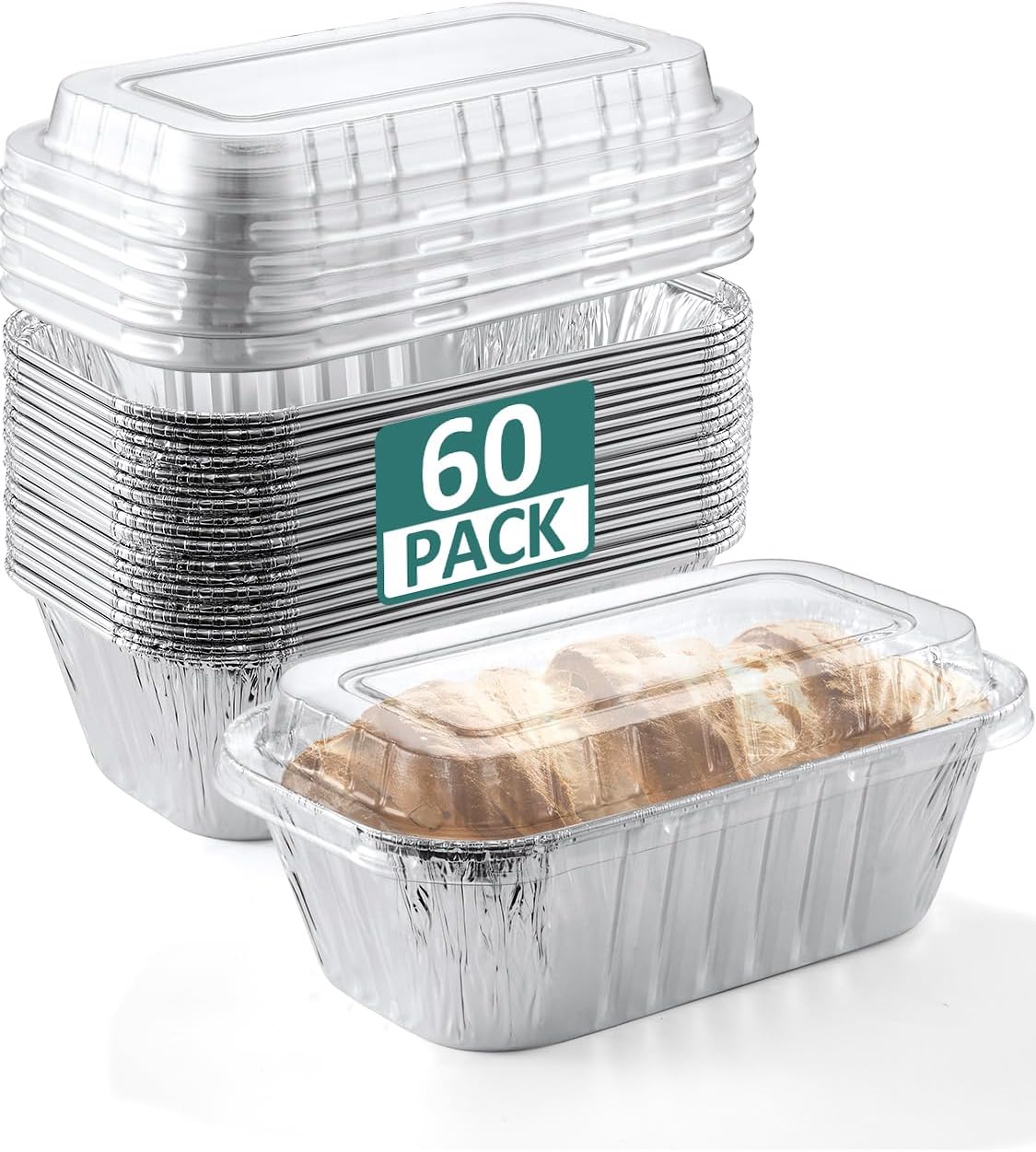
Matching the pack count to your baking frequency prevents unnecessary clutter or running short during major projects. Smaller thirty-count bundles suit casual bakers who only occasionally whip up quick breads or small casseroles for weekend meals. On the other hand, larger sixty or one hundred-pack configurations provide ample supply for holiday baking marathons, community bake sales, or meal-prep routines where multiple portions go straight into the freezer.
Consider your kitchen storage capacity before committing to bulk purchases. Stacking lightweight pans saves space, but larger quantities still require a designated pantry or cabinet corner to stay organized.
Lid Compatibility and Storage Options
Deciding whether you need included lids depends entirely on how you plan to use your aluminum loaf pans. Sets that bundle clear plastic covers or high dome lids offer immediate convenience for storing leftovers in the refrigerator or transporting baked goods to gatherings. Without lids, you must rely on plastic wrap or foil sheets, which can be less secure during transit.
Always verify whether included lids are rated for oven use. Most transparent plastic covers must be removed completely before baking to prevent melting, serving strictly as storage accessories.
Temperature Limits and Oven Safety
Different aluminum pans feature varying upper temperature thresholds, typically ranging from four hundred up to five hundred degrees Fahrenheit. Knowing your recipe requirements helps you select a pan capable of handling intensive heat without degrading. Standard baking rarely exceeds four hundred degrees, but specialized grilling or high-heat roasting requires robust heavy-duty options designed to withstand thermal stress safely.
Always check manufacturer specifications for maximum heat ratings. Exceeding these limits can compromise the structural integrity of the foil, leading to warped edges or damaged baked goods.
Dimensions and Capacity Fit
Standard mini loaf pans typically measure around six inches in length by three and a half inches in width, with depths varying between two and two and a half inches. Deeper pans accommodate taller rising doughs and layered casseroles, whereas standard depths work well for basic brownies and pound cakes. Checking your specific oven rack space ensures the pans fit comfortably alongside other cookware.
Capacity also dictates portion sizes, with most one-pound tins holding sixteen ounces of batter. Matching this volume to your favorite recipes prevents overflow disasters.
Cleanup and Disposal Convenience
One of the greatest advantages of disposable aluminum bakeware is eliminating the post-baking scrubbing process. After serving your delicious meatloaves or holiday fruitcakes, you can simply discard the pans in recycling bins where accepted. This feature saves substantial time during large events, parties, and busy weeknight dinners when standing over a sink full of baked-on batter is unappealing.
While some users choose to hand wash and reuse sturdy aluminum pans, their primary design intent centers on single-use convenience and effortless event cleanup.
Frequently asked questions
Can I put aluminum mini loaf pans directly into the oven?
Yes, aluminum mini loaf pans are specifically designed for direct oven use, with most standard models safely tolerating baking temperatures between four hundred and five hundred degrees Fahrenheit. They conduct heat efficiently, helping your banana breads, pound cakes, and small meatloaves achieve an even bake and golden crust. However, you must always verify that any attached plastic lids are completely removed prior to placing the pans inside the oven, as transparent covers are not heat resistant and will melt instantly.
Are aluminum foil loaf pans safe for storing food in the freezer?
Aluminum foil loaf pans are well suited for freezer storage, allowing you to prepare casseroles, meal-prep portions, or baked goods ahead of time. Many sets include matching plastic lids that seal out moisture and protect your food during cold storage. When pulling frozen pans directly for baking, check the manufacturer guidelines to ensure the specific aluminum alloy can transition safely from freezing temperatures to a hot conventional oven without warping or compromising structural integrity.
Do I need to grease aluminum mini loaf pans before baking?
While aluminum foil pans provide reliable thermal performance, applying a light coating of cooking spray, butter, or oil is generally recommended depending on your recipe. Sticky batters containing high sugar or egg contents can sometimes adhere to the metal surface during baking. Greasing the interior walls ensures your finished breads, cakes, or brownies release cleanly without tearing or leaving delicious crust fragments behind in the disposable tin.
Can these disposable loaf pans be washed and reused?
Although these pans are engineered primarily for convenient single-use disposal to eliminate scrubbing, some thicker heavy-duty models can be gently hand washed for multiple uses if handled with care. However, thin aluminum foil tends to bend, crease, or warp easily once flexed or scrubbed. If you choose to reuse them, inspect the metal for structural damage or punctures before refilling to prevent leaks during your next baking session.
What is the standard capacity of a mini aluminum loaf pan?
The standard capacity for most mini aluminum loaf pans is one pound, which typically translates to roughly sixteen ounces or approximately one pint of volume. These dimensions generally measure around six inches in length by three and a half inches in width, with depths ranging from two to two and a half inches. This compact size makes them ideal for single-serve portions, gift-giving, and baking individual loaves of bread without excess leftovers.