Appliances · Buying Guide
Best Aluminum Mini Muffin Tins for Baking Small Treats
Baking bite-sized treats requires reliable bakeware designed to handle small portions evenly and consistently every single time. Aluminum mini muffin tins offer distinct thermal properties that help batter rise properly and brown uniformly in the hot oven. Whether preparing sweet cupcakes or savory egg bites for family gatherings, choosing the right pan significantly impacts your everyday baking routine.
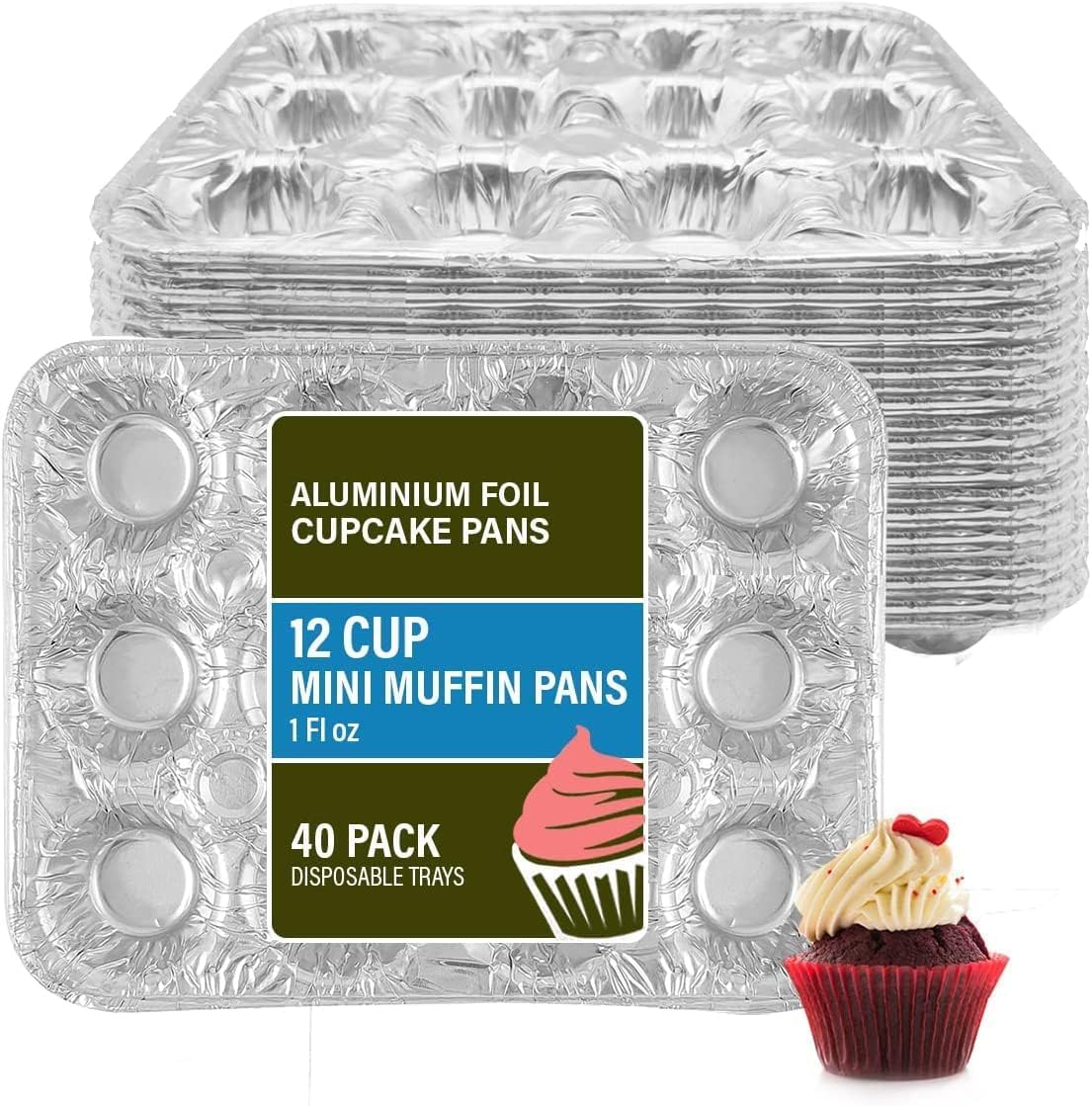
Different formats exist on the market, ranging from heavy commercial metal pans to disposable foil packs suited for quick events and holiday gifting. Reviewing the physical dimensions, material build, cup capacity, and cleaning care instructions helps match a pan to your specific kitchen needs without any guesswork or trial-and-error frustration.
As an Amazon Associate, StacyLaughs earns from qualifying purchases.
Buying guide
Material Composition and Durability
Choosing the right aluminum mini muffin tin starts with evaluating its metal composition. Pure aluminum resists rust permanently and offers excellent thermal conductivity for uniform browning. Aluminized steel combines steel strength with aluminum heat distribution, while aluminum foil provides lightweight disposability. Selecting your material depends on whether you prioritize long-term kitchen durability or short-term convenience.
Consider how often you bake and where you store your bakeware. Solid metal pans withstand years of regular use, whereas foil alternatives eliminate cleanup routines. Matching the material to your routine ensures satisfying baking results.
Capacity and Cup Count Options
Muffin pans typically feature either twelve or twenty-four cups per tray. A twenty-four cup layout accommodates large batches efficiently, reducing total oven time when feeding crowds. Conversely, a twelve-cup format fits easily into smaller toaster ovens and compact home refrigerators. Assess your typical recipe yields and oven dimensions before selecting a specific capacity configuration.
High-volume bakers benefit from multi-pack disposable options that multiply available cup counts. Balancing your batch requirements against available oven space ensures smooth preparation workflows during busy holiday baking sessions.
Surface Coatings and Release Properties
Surface treatments significantly influence how easily baked goods release from the pan. Some aluminum pans feature specialized nonstick silicone coatings that eliminate the need for excessive greasing. Others rely on pure metal surfaces that require traditional oiling or paper liners. Nonstick options simplify post-baking cleanup, though certain coatings require gentle hand washing to maintain their protective layer.
Reviewing manufacturer coating specifications helps you choose a surface that aligns with your preferred cleaning habits. Proper care extends the functional lifespan of coated baking surfaces.
Cleaning and Maintenance Requirements
Maintenance routines vary widely between disposable foil tins and permanent metal bakeware. While disposable aluminum pans eliminate cleanup entirely through recycling, solid metal pans require manual washing or dishwasher cycles. Checking product care instructions prevents accidental damage to protective nonstick coatings or bare metal finishes. Consistent cleaning preserves your bakeware investment over time.
Hand-wash-only pans demand mild soaps and soft sponges to protect delicate surfaces. Selecting a maintenance style matching your schedule ensures hassle-free kitchen upkeep.
Thermal Performance and Temperature Ratings
Superior heat conductivity ensures your mini muffins and cupcakes rise evenly across every well. Aluminum and aluminized steel distribute oven heat rapidly, supporting uniform crust formation and proper batter expansion. Each pan specifies a maximum temperature rating, such as 450 degrees Fahrenheit or 232 degrees Celsius, which must be respected to prevent warping or coating degradation during baking.
Verifying upper temperature limits keeps your bakeware safe across diverse recipes, from delicate cakes to savory egg bites.
Handling and Physical Dimensions
Physical dimensions and handle designs dictate how comfortably you can maneuver a hot baking pan. Pans featuring extended side handles provide a secure grip when wearing bulky oven mitts. Overall length and depth measurements also determine whether the pan fits comfortably inside your oven cavity and storage cabinets. Checking these dimensions prevents unexpected spatial conflicts.
Well-designed rims and balanced frames add structural rigidity, preventing twisting during transport. Prioritizing ergonomic handling features enhances safety in everyday baking tasks.
Frequently asked questions
What is the main benefit of using pure aluminum mini muffin pans?
Pure aluminum offers exceptional thermal conductivity, which allows heat to distribute rapidly and evenly across every cup. This consistent heat transfer supports proper batter rise and uniform browning for mini muffins, cupcakes, and savory egg bites. Additionally, pure aluminum will never rust, providing a lifetime of durability for regular home bakers. While these pans typically require hand washing and may need traditional greasing, their robust metallic build ensures reliable performance through countless baking sessions.
Are disposable aluminum foil mini muffin pans safe for the oven and freezer?
Yes, many aluminum foil mini muffin pans are engineered to withstand both freezing temperatures and high oven heat up to 464 degrees Fahrenheit or 240 degrees Celsius. This dual capability allows you to prepare, freeze, and bake treats using the same container. However, because foil pans feature a lightweight build, you must always use oven mitts or heat-resistant gloves for secure transport and handle them carefully to avoid accidental bending or spills during movement.
How should I clean pans with specialized nonstick coatings?
Pans featuring nonstick coatings or silicone layers generally require gentle hand washing with warm water, mild soap, and a soft sponge or cloth to protect the surface integrity. Following manufacturer maintenance guidelines helps prevent scratches or degradation of the coating. While some metal pans permit dishwasher use, adhering to recommended cleaning instructions ensures the nonstick release properties remain effective over repeated baking cycles, keeping cleanup fast and straightforward.
Why do some mini muffin pans feature extended handles?
Extended handles are purposefully designed to provide a secure and stable grip when moving the pan into and out of a hot oven. Their extended shape offers extra clearance space for hands wearing bulky pot holders or heat-resistant gloves, reducing the risk of accidental slips during transport. This ergonomic design feature is especially helpful when carrying heavy-duty aluminized steel pans filled with wet batter or freshly baked goods across the kitchen.
How do I choose between a 12-cup and a 24-cup mini muffin pan?
Choosing between a 12-cup and a 24-cup configuration depends primarily on your recipe volume, oven size, and storage space. A 24-cup pan accommodates large batches in a single oven run, making it ideal for feeding crowds or preparing party snacks efficiently. A 12-cup pan offers a more compact footprint that fits easily inside smaller toaster ovens and tight cabinets. Reviewing your typical baking habits will guide you toward the ideal pan capacity.