Appliances · Buying Guide
Best Antique Pyrex Mixing Bowls And Classic Glass Alternatives For Your Kitchen
Finding reliable mixing bowls for everyday preparation involves balancing timeless aesthetic appeal with modern functional needs. Whether you appreciate classic kitchenware designs or require dependable glass and stainless steel containers, selecting the right set enhances your baking, cooking, and storage routines. Exploring these options helps you find containers that match your kitchen aesthetic.
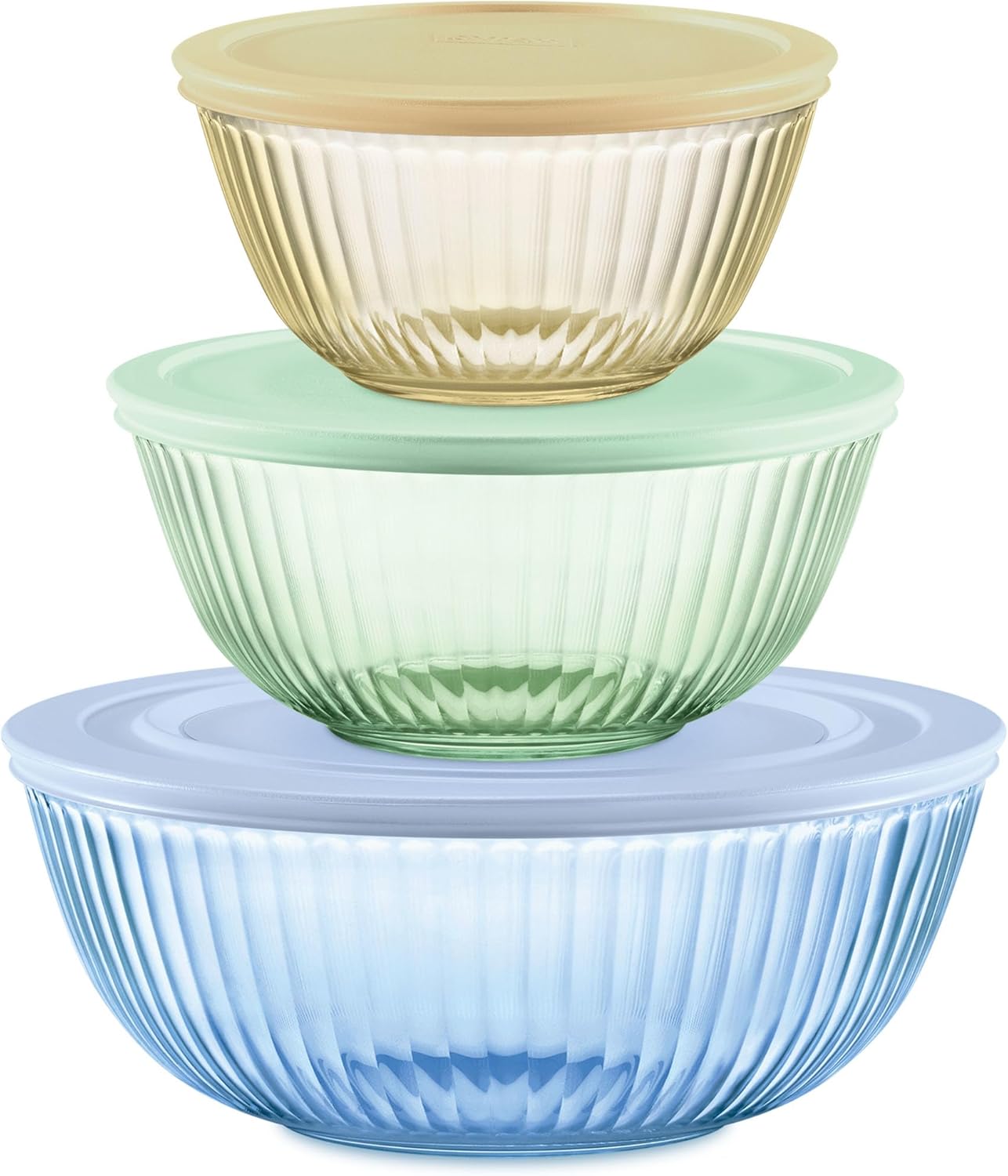
The available choices range from vintage-inspired primary color sets to modern tinted glass and durable stainless steel alternatives. Each collection brings unique material properties, specific capacities, and practical lid systems to your countertop, helping you prep, serve, and store meals efficiently while maintaining food freshness over time.
As an Amazon Associate, StacyLaughs earns from qualifying purchases.
Buying guide
Material Selection for Kitchen Durability
Selecting the right material for your mixing bowls directly impacts how well they handle daily kitchen tasks, high-heat baking routines, and routine cleaning schedules. Glass provides a completely non-reactive surface that successfully resists stubborn food stains and lingering odors over years of heavy use, keeping your containers looking clean and professional during every meal preparation session.
Stainless steel offers lightweight drop resistance and exceptional portability, making it ideal for active cooking environments where long-term durability matters most. Carefully evaluating your typical recipes, preferred cleaning methods, and available storage space helps you determine whether break-resistant metal or stain-resistant glass better serves your household preparation needs over time without unexpected compromises.
Sizing Capacities for Everyday Recipes
Assessing your cooking habits ensures you select mixing bowl capacities that match your favorite recipes, ranging from small sauce whisking to large baking batches. Smaller bowls under two quarts handle quick tasks like beating eggs or mixing dressings, while larger options exceeding four quarts comfortably accommodate bulky bread doughs and family meals every single day.
Having a balanced set of multiple sizes prevents kitchen bottlenecks and reduces the frequent need to transfer ingredients between containers mid-recipe. Carefully considering your household size and typical portion requirements guides you toward a versatile combination that handles everything from light snacks to massive weekend baking projects seamlessly without frustrating preparation limitations.
Lid Systems and Food Preservation
Selecting bowls equipped with secure lids transforms your prep containers into efficient food storage vessels, keeping leftovers fresh in the refrigerator or freezer. BPA-free plastic lids featuring reliable snap closures provide an airtight seal that prevents accidental spills and maintains food flavors over extended storage periods without absorbing unwanted refrigerator odors or stains.
Evaluating whether the included lids are microwave and top-rack dishwasher safe adds significant convenience to your daily routine, allowing you to reheat stored meals directly without dirtying extra dishes. Proper lid designs should carefully balance a tight, secure fit with comfortable handling so you can remove them quickly during busy food preparation moments.
Cleaning and Maintenance Protocols
Maintaining your mixing bowls according to manufacturer guidelines ensures long-lasting performance and preserves surface finishes across years of regular kitchen use. Dishwasher-safe glass and metal bowls streamline cleanup after messy baking sessions, saving valuable time when you finish preparing family meals or hosting dinner guests at your busy home kitchen.
Certain specialized vintage or decorative finishes require gentle hand washing to protect their delicate external appearance from fading or abrasive detergent wear over time. Understanding these specific maintenance requirements before purchasing helps you choose bowl sets that fit comfortably into your preferred kitchen cleaning habits and overall household schedule without unexpected daily inconveniences.
Storage Efficiency and Cabinet Space
Managing cabinet space effectively depends heavily on how well your mixing bowl collection nests together when not in use during daily cooking routines. Sets featuring graduated dimensions allow smaller bowls to fit neatly inside larger ones, reclaiming valuable shelf space in crowded kitchen cupboards without creating disorganized storage clutter during weekly kitchen cleanups.
Careful consideration must also be given to whether you store your bowls with their plastic lids attached or stacked separately on adjacent pantry shelves. Evaluating your available storage layout helps you avoid cramped cupboards and ensures your chosen set integrates smoothly into your established kitchen organization ecosystem every single day without hassle.
Versatility Across Prep and Serving
Selecting mixing bowls that transition gracefully from food preparation to table serving minimizes the total number of dishes you need to wash after meals. Attractive glass or metal finishes allow you to mix ingredients, bake recipes, and serve salads or side dishes directly from the same stylish container without missing any beats today.
This dual-purpose functionality reduces countertop clutter during busy dinner parties and family gatherings, making your meal presentation both cohesive and practical for invited guests. Prioritizing visual appeal alongside rugged material construction ensures your bowls serve as multi-functional centerpieces for your everyday cooking routines and special hosting occasions throughout the entire year.
Frequently asked questions
Are glass mixing bowls safe to use in the microwave and freezer?
Many modern glass mixing bowls constructed from tempered or borosilicate glass are designed to withstand both microwave heating and freezer storage routines. These durable materials handle temperature transitions exceptionally well, allowing you to store leftovers and warm them up directly in the exact same container without transferring contents. However, you should always check specific manufacturer instructions to confirm whether the included plastic lids are also rated as microwave safe before heating your food items.
Can I put stainless steel mixing bowls in the microwave?
Stainless steel mixing bowls are completely unsuitable for microwave use under any circumstances. Metal reflects microwave radiation energy, which can cause dangerous electrical arcing, damage your kitchen appliance, and ruin your food preparations instantly. If you need to heat ingredients while baking or cooking, you must always transfer your mixtures from a stainless steel bowl into an alternative microwave-safe glass or ceramic dish before placing them safely inside the heating appliance.
How do I clean vintage glass mixing bowls with colored finishes?
Vintage glass mixing bowls featuring exterior colored finishes typically require gentle hand washing to properly preserve their classic appearance. Harsh automatic dishwasher cycles and abrasive scouring detergents can fade, scratch, or completely ruin the decorative paint over time. Using mild dish soap, warm water, and a soft cloth or sponge helps protect the painted exterior while keeping the glass clean and hygienic for your next food preparation task at home.
Do plastic lids on glass mixing bowls create an airtight seal?
Plastic lids paired with glass mixing bowls are designed to provide a secure, tight fit that keeps your stored food fresh for longer periods. These BPA-free lids often feature snap closures or flexible rims that grip the bowl edge tightly, helping to prevent accidental spills in the refrigerator or pantry. While they create an effective seal for general food storage and casual transport, you should always avoid tipping bowls upside down if they contain liquids.
What capacity mixing bowl should I use for general baking tasks?
A versatile mixing bowl set that includes capacities ranging from one to four quarts provides the best coverage for general baking tasks. A smaller bowl around one or two quarts handles whisking eggs or mixing small glazes, while a larger bowl exceeding four quarts gives you ample room to fold flour into heavy cake batters or knead bread dough without spilling ingredients over the rim onto your countertop.