Appliances · Buying Guide
Best Bake Bread in Loaf Pan Choices for Every Kitchen
Choosing the right equipment to bake bread in loaf pan setups fundamentally changes the texture, rise, and crust of your homemade loaves. Whether you prefer traditional heavy-gauge metal pans, heat-resistant borosilicate glass, or heavy cast iron, each material interacts with dough differently during the baking cycle. Finding the right fit requires looking at dimensions, thermal limits, and daily cleanup habits.
Understanding how different materials handle heat distribution and moisture helps you select the ideal bakeware for standard sandwich loaves, rustic sourdough, or rich sweet treats. Reviewing these distinct options ensures you find a reliable pan that matches your favorite recipes and daily baking routine seamlessly without guesswork or ruined crusts.
As an Amazon Associate, StacyLaughs earns from qualifying purchases.
Buying guide
Selecting the Right Material for Your Loaf Pan
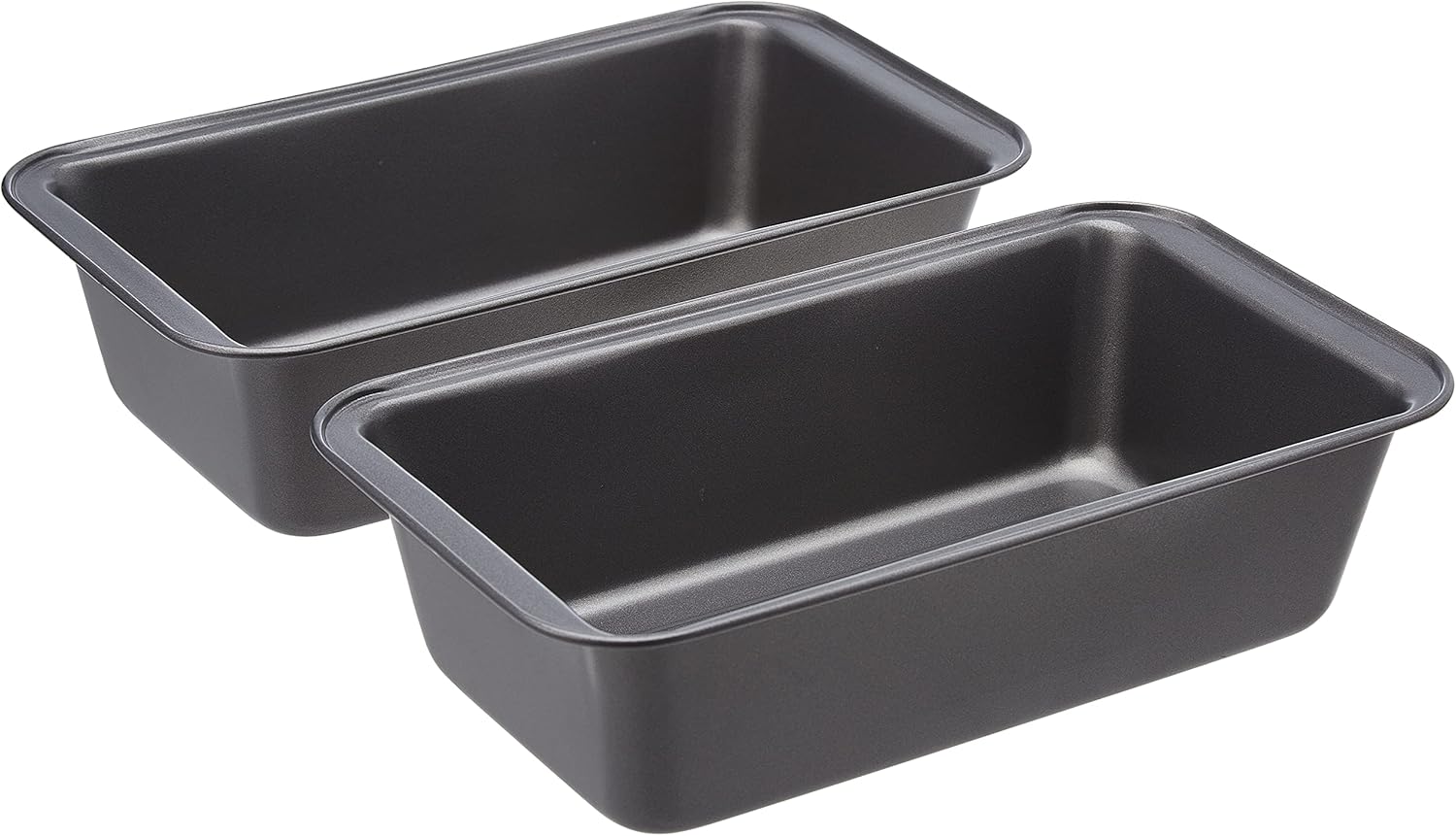
When you choose to bake bread in loaf pan configurations, the material dictates thermal performance. Steel provides rapid heat transfer for uniform browning, making it a favorite for standard sandwich loaves and quick breads. Borosilicate glass allows visual monitoring through the sides, letting you check crust development without opening the oven door. Each material reacts differently to heat, changing how your dough rises.
Cast iron brings heavy mass to the baking process, retaining heat effectively to build thick, crispy crusts on artisan sourdough loaves. Carbon steel offers a middle ground with lightweight durability and fast response times. Assessing your preferred recipes helps determine whether glass, steel, or cast iron serves your kitchen best.
Understanding Capacity and Dimensions for Bread Baking
Bread recipes depend heavily on matching dough volume to pan dimensions. Standard one-pound capacity pans suit smaller households or specialty sandwich loaves, while larger thirteen-inch options accommodate double batches and meatloaf. Overfilling a pan leads to spills, while an oversized pan spreads dough too thin, affecting the final shape of your baked goods.
Reviewing internal and external measurements prevents crowding your oven racks. If you plan to bake multiple loaves at once, verify that your oven can accommodate two pans side by side without blocking air circulation. Paying attention to these physical dimensions ensures your dough rises properly without structural limitations during the crucial baking phase.
Managing Nonstick Coatings and Surface Maintenance
Nonstick coatings simplify the process when you bake bread in loaf pan designs by allowing delicate baked goods to slide out cleanly without tearing. Silicone and proprietary nonstick surfaces reduce the need for excessive oil or butter greasing. However, these specialized coatings require careful handling to avoid accidental scratches from abrasive cleaning pads or metal utensils during serving.
Following manufacturer guidelines regarding metal tool safety preserves the integrity of the nonstick layer over years of regular use. While some modern coatings tolerate metal spatulas, others demand wooden or silicone alternatives to stay pristine. Proper care ensures your pans release loaves effortlessly every single time you bake without sticking issues.
Exploring Lidded Pans and Pullman Bread Molds
Lidded pans transform standard baking routines by trapping steam and shaping uniform square loaves. When you bake bread in loaf pan setups featuring a secure cover, the rising dough expands to fill the enclosed cavity, creating a flat top ideal for clean sandwich slicing. Removing the lid partway through baking allows the crust to brown deeply while maintaining a soft interior texture.
Cast iron versions with heavy lids function similarly to miniature Dutch ovens, concentrating intense heat around artisan sourdough recipes. Carbon steel Pullman pans offer smooth sliding covers for precise square sandwich shapes. Choosing a lidded option expands your baking repertoire beyond traditional domed loaves into professional-looking sandwich slices.
Temperature Limits and Oven Compatibility Factors
Every baking pan has specific temperature thresholds defined by its construction materials. Steel and carbon steel pans typically handle moderate heat up to four hundred fifty degrees Fahrenheit, while heavy borosilicate glass and cast iron accommodate higher limits around five hundred degrees. Respecting these upper temperature ratings prevents warping, structural damage, or coating degradation during intense baking sessions.
Glass baking dishes often require lowering the standard oven temperature by twenty-five degrees to achieve an even bake without scorching the exterior. Checking compatibility with microwaves, freezers, and specific stovetops also maximizes the versatility of your bakeware investment. Matching your oven capabilities with pan specifications guarantees safe and predictable results.
Cleaning and Storage Best Practices for Bakeware
Maintaining your bakeware properly extends its functional lifespan in busy kitchens. While many steel and glass pans claim dishwasher safety, hand washing is frequently recommended by manufacturers to protect sensitive nonstick surfaces and decorative finishes. Cast iron requires completely different maintenance, involving manual washing and regular seasoning with oil to prevent rust formation.
Carbon steel pans with vents need thorough drying in a warm oven after washing to eliminate trapped moisture in tight corners. Proper storage also matters, especially for oversized thirteen-inch pans or heavy cast iron units that demand dedicated cabinet space. Respecting these cleaning routines ensures your pans remain ready for your next baking project.
Frequently asked questions
Can I use metal utensils on nonstick loaf pans?
Whether you can use metal utensils depends entirely on the specific manufacturer specifications for your chosen pan. Some heavy-duty steel loaf pans feature scratch-resistant coatings explicitly engineered to be metal spatula safe, allowing you to slice and serve directly from the dish. However, many standard nonstick bakeware options require wooden, silicone, or plastic tools to prevent scratching and premature wear of the delicate coating. Always consult the product guidelines before using metal knives or spatulas inside your baking pans to protect the surface integrity over time.
Do glass loaf pans require lower oven temperatures?
Yes, manufacturers frequently recommend lowering your standard oven temperature by approximately twenty-five degrees Fahrenheit when baking with glass pans. Borosilicate glass retains and conducts heat differently than traditional metal bakeware, absorbing and holding thermal energy in a way that can overcook the outer edges of your bread or cake before the center finishes baking. Making this minor temperature adjustment helps ensure an even bake throughout the entire loaf, preventing burnt crusts while allowing your favorite recipes to rise and cook uniformly without issue.
What is the benefit of a lidded Pullman loaf pan?
A lidded Pullman loaf pan offers the unique ability to bake perfectly square sandwich bread with uniform crumb structures. When you secure the cover during the baking process, the rising dough is forced to fill every corner of the enclosed carbon steel box, creating flat tops and even slices ideal for sandwiches. You can also slide the cover off to bake traditional open-top loaves or sweet breads, giving you dual functionality from a single piece of bakeware for versatile home baking projects.
How should I clean cast iron loaf pans?
Cleaning cast iron loaf pans requires a mindful manual approach rather than tossing them into an automated dishwasher. You should wash the pan by hand using warm water, avoiding harsh chemical soaps that can strip away the developing seasoning layer. After washing, dry the cast iron thoroughly on a warm stovetop or in the oven to eliminate any residual moisture that could cause rust. Applying a very light coating of cooking oil while the pan is still warm maintains its natural nonstick properties for future baking.
Why do some loaf pans feature bottom vents?
Loaf pans featuring bottom vents, such as certain carbon steel Pullman molds, are designed to improve air circulation and thermal transfer during the baking cycle. These small ventilation holes allow excess moisture to escape and ensure that the dough heats evenly from the bottom up, resulting in a richer texture and superior crust development. When baking standard bread dough, these vents perform admirably, though you should remember to use parchment paper if you ever decide to bake runny liquid batters inside them to prevent leaks.