Appliances · Buying Guide
Best Cast Iron Loaf Pans to Bake Sourdough Bread at Home
Baking artisan sourdough at home requires reliable equipment capable of retaining steady heat and trapping necessary steam for a proper, crispy crust. Using a dedicated loaf pan designed for high oven temperatures transforms how home bakers handle sticky doughs, classic sandwich loaves, and dense rye recipes without requiring complicated baking setups or professional bakery gear.
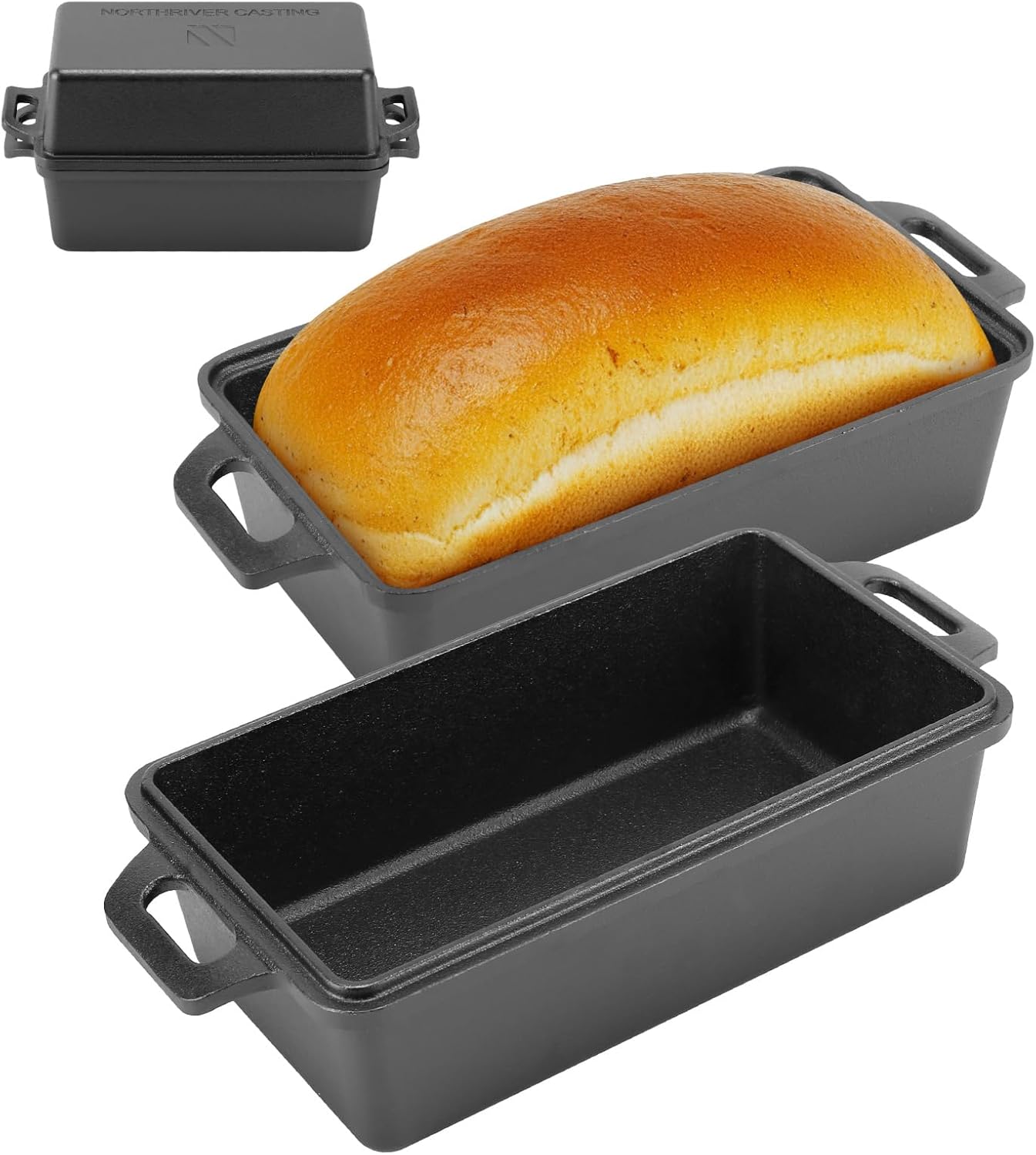
Heavy-duty cast iron options provide the thermal mass needed to mimic professional bakery ovens right inside a standard residential kitchen. These specialized baking dishes combine versatile lids with durable rectangular bodies, ensuring your homemade breads develop evenly browned exteriors and wonderfully soft, moist interiors through every single weekend baking session.
As an Amazon Associate, StacyLaughs earns from qualifying purchases.
Buying guide
Material Composition and Heat Retention
Choosing the right material dictates how well your loaf pan manages high baking temperatures. Cast iron provides exceptional thermal mass, absorbing heat evenly and radiating it steadily into your sourdough dough. This stable environment prevents unwanted hot spots, ensuring the crumb cooks thoroughly while the exterior develops a deep, professional-looking golden crust.
Unlike thin aluminum alternatives, heavy-duty metal maintains consistent internal temperatures even when you open the oven door to check progress. This reliability helps home bakers achieve predictable results. However, you must account for the extended preheating time required to bring dense pans up to operational temperature before loading your shaped dough.
Lid Design and Steam Management
Trapping steam during the initial phase of baking is essential for creating a blistered, crunchy crust on artisan sourdough. Pans featuring fitted lids capture evaporating moisture from the dough, keeping the surface flexible so the loaf can expand fully. Once the crust sets, removing the lid allows browning to occur naturally.
Look for tight-fitting designs that prevent steam from escaping prematurely around the edges. Some models also offer dual-purpose lids that double as secondary skillets or shallow baking trays. Evaluating how the cover rests on the base ensures you get maximum utility and optimal crust development from your chosen bakeware set.
Sizing and Dimensional Fit
Standard nine by five inch dimensions represent the baseline for most sandwich and loaf recipes found in modern cookbooks. This specific capacity accommodates standard flour quantities, producing balanced loaves that fit conventional bread boxes and slicing guides. Measuring your oven interior beforehand prevents clearance issues when using tall lidded pans.
Consider how much counter and storage space you have available for bulky bakeware items. Rectangular pans with integrated handles take up slightly more linear space than simple open tins. Selecting a size that matches your typical household consumption ensures you bake efficiently without generating excess leftovers or overcrowded crumbs.
Surface Finishes and Maintenance
Traditional cast iron requires regular seasoning with oil to build a natural, non-stick barrier that improves over time. This maintenance prevents dough from sticking during transfer and baking. Alternatively, enameled surfaces offer a smooth barrier right out of the box, eliminating the need for periodic oil seasoning routines and simplifying cleanup.
Both finish types demand manual hand washing rather than automated dishwasher cycles to protect the integrity of the cooking surface. Consider your willingness to perform routine maintenance tasks versus your desire for immediate, low-effort cleanup when selecting the ideal pan finish for your daily routine.
Handle Ergonomics and Safety
Moving heavy cast iron cookware filled with hot dough requires secure, well-designed handles. Integrated one-piece grips molded directly into the pan body offer structural stability compared to attached joints. These solid connection points reduce the risk of bending or slipping when transferring heavy baking equipment between counters and ovens.
Because metal conducts heat rapidly, always use thick oven mitts or heat-resistant pads when handling hot pans. Check whether the handle design provides enough clearance for gloved fingers to achieve a firm grip. Safe handling features prevent accidental drops and burns in busy home kitchens.
Multi-Cooktop Compatibility
Versatile cast iron bread pans often support multiple heat sources beyond standard residential ovens. Many models function safely on gas burners, electric stove elements, induction cooktops, and outdoor campfires. This cross-platform utility allows you to brown meats, bake casseroles, or roast vegetables using the exact same piece of kitchen equipment.
Verify manufacturer temperature limits and stove type recommendations before trying alternative heating methods. Ensuring your chosen pan matches your specific kitchen setup maximizes its overall value and expands your everyday cooking possibilities far beyond standard weekend bread baking routines.
Frequently asked questions
Why should I use a lidded loaf pan for baking sourdough bread?
A lidded loaf pan mimics a professional commercial steam-injection oven by trapping the natural moisture released from the dough as it bakes. This trapped steam keeps the outer crust flexible during the crucial initial expansion phase, allowing your sourdough loaf to reach its maximum volume without premature crust setting. Once you remove the lid halfway through the baking cycle, the dry heat promotes a deeply browned, crispy exterior while maintaining a soft, airy interior crumb structure.
Do I need to preheat my cast iron loaf pan before adding sourdough dough?
Preheating your cast iron loaf pan is generally recommended to create an immediate thermal shock that encourages good oven spring in sourdough bread. Placing the empty pan and lid into the oven while it heats to your target baking temperature ensures the metal is thoroughly hot before you drop in your scored dough. However, always consult specific manufacturer guidelines, handle the scorching hot metal with thick protective mitts, and use extreme caution during the dough transfer process.
How do I clean and maintain a traditional cast iron bread pan?
Traditional cast iron pans require manual hand washing with warm water rather than soaking or running through an automatic dishwasher. After washing, dry the pan thoroughly over low heat on a stove burner to eliminate residual moisture completely. Once dry, apply a very thin layer of cooking oil across all surfaces using a paper towel to maintain the protective seasoning layer and prevent rust. Storing the pan in a dry cabinet ensures long-lasting performance for future baking sessions.
What is the advantage of an enameled cast iron loaf pan?
Enameled cast iron loaf pans feature a smooth porcelain-like coating over the metal base, which eliminates the traditional requirement for routine seasoning with cooking oil. This smooth surface makes releasing baked goods and cleaning sticky dough remnants significantly easier for beginners who want simple maintenance. While you still need to handle the heavy pan carefully to avoid chipping the enamel, it offers the great heat retention of cast iron without the complex upkeep associated with raw seasoned metal.
Can I use these cast iron loaf pans on induction cooktops or campfires?
Many heavy-duty cast iron bread pans are engineered to be compatible with induction cooktops, gas ranges, electric stoves, and even outdoor campfires in addition to standard kitchen ovens. This versatile cross-platform utility allows you to use the pan for searing meats, slow cooking stews, or baking savory casseroles alongside standard bread recipes. Always verify the specific manufacturer specifications for your chosen pan model to confirm its approved heat sources before using it on alternative stovetops or open flames.