Appliances · Buying Guide
Best Baguette Pan Options for Crispy Homemade Bread
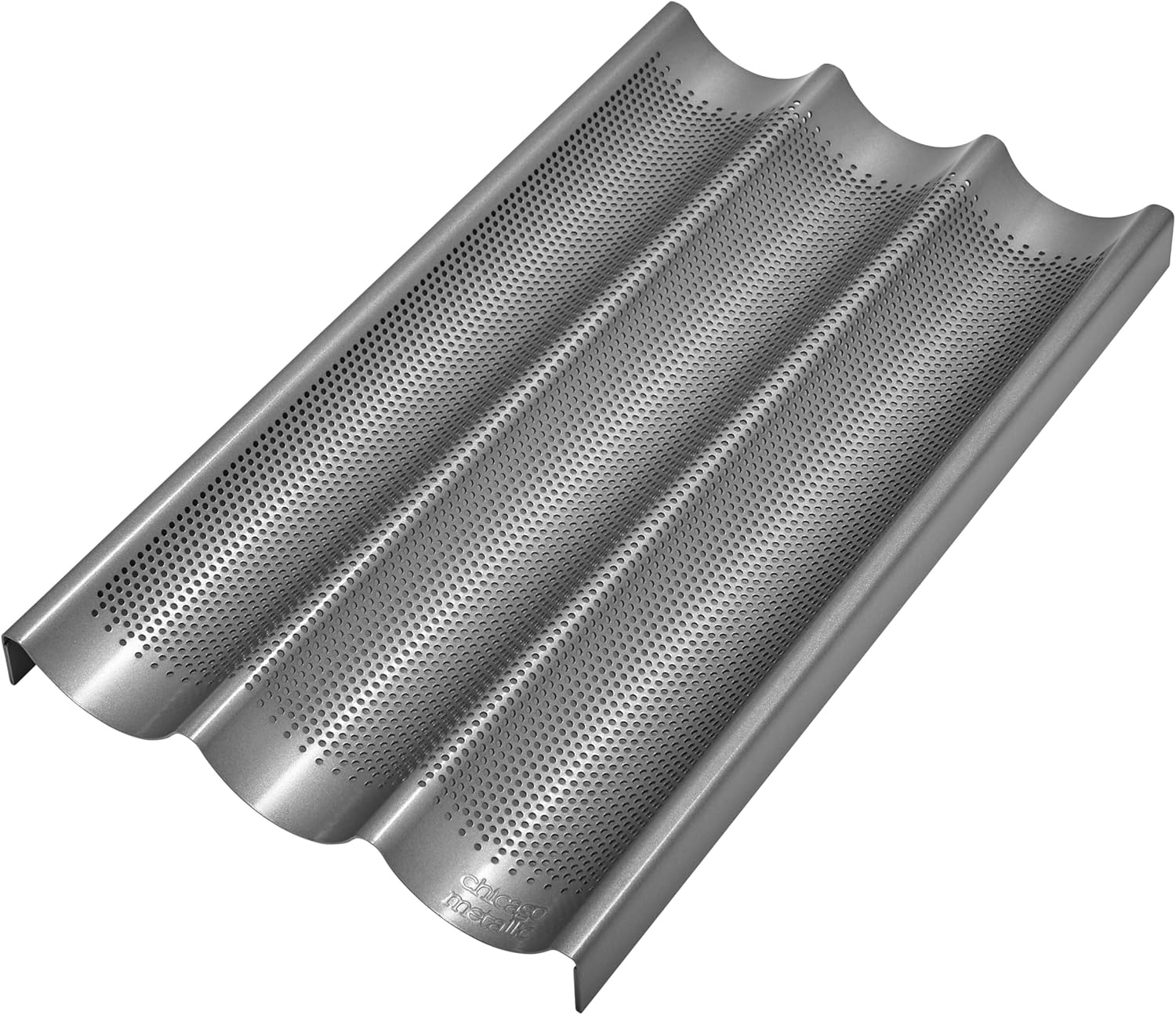
Baking authentic French bread at home requires specialized equipment that supports proper dough shaping and heat distribution. A dedicated baking pan for baguette usage features curved channels and perforated surfaces designed to help dough rise evenly while developing a crackly, golden crust. Whether you are baking traditional baguettes, soft sub rolls, or savory artisan loaves, choosing the right tray transforms your kitchen into a miniature artisan bakery.
Selecting the ideal pan involves considering dimensions, material composition, and capacity to match your specific oven size and baking frequency. Carbon steel and aluminum options provide the necessary thermal conductivity for consistent baking results without hot spots. By understanding these structural attributes, home bakers can easily find a reliable baking pan for baguette recipes that fits their daily baking routine.
As an Amazon Associate, StacyLaughs earns from qualifying purchases.
Buying guide
Material Composition and Heat Conduction
Selecting the right material for a baking pan for baguette preparation directly influences how well your crust browns. Carbon steel and heavy-weight aluminum are popular choices because they conduct heat rapidly and distribute thermal energy evenly across the entire surface. This efficient heat transfer prevents localized hot spots that can burn dough.
When evaluating options, look for thickened metal construction that resists warping at high oven temperatures. A sturdy build ensures the tray maintains its shape over years of regular baking, giving you consistent results whether you are crafting traditional French baguettes or soft artisan sandwich rolls for dinner.
Perforation Patterns and Airflow
The presence of tiny holes across a baking pan for baguette use plays a crucial role in texture development. Perforations allow hot air to circulate freely around the dough, removing excess moisture as the bread bakes. This steady airflow is what transforms a pale dough into a crackly, golden-brown crust, giving you professional results at home.
Without proper ventilation, the bottom of the loaf can retain too much steam and become soggy. Choosing a heavily perforated tray ensures your bread achieves that classic bakery-style crunch on all sides, elevating your homemade baking projects with minimal effort in your standard home kitchen.
Sizing and Oven Compatibility
Before purchasing any baking pan for baguette creation, measuring your oven interior is an essential preparatory step. Trays range from compact fifteen-inch models to wider multi-wave designs that span thirteen inches or more. Ensuring adequate clearance on all sides prevents the edges from jamming against interior oven walls during baking sessions, keeping your workflow safe and efficient.
Standard home ovens accommodate most three-slot or four-slot trays easily, but smaller apartment ovens may require compact two-loaf versions. Checking these dimensions ahead of time guarantees smooth loading and prevents frustrating sizing conflicts when managing hot pans filled with rising dough. Taking accurate measurements protects your kitchen investments over time.
Nonstick Coatings and Release Properties
A reliable nonstick coating on a baking pan for baguette recipes simplifies the entire baking process by preventing sticky dough from clinging to the metal channels. Food-grade silicone or multi-layer nonstick surfaces help baked loaves slide off effortlessly once removed from the heat source, reducing tearing and preserving their delicate shape for serving.
While nonstick treatments make cleanup significantly easier, users should still follow manufacturer guidance regarding light greasing or parchment lining for sticky high-hydration doughs. Proper care ensures the delicate coating remains intact, providing consistent release performance over many months of regular baking routines in your busy household kitchen.
Capacity and Batch Management
Choosing a suitable baking pan for baguette preparation requires carefully balancing your household size against available interior oven space. Three-slot and four-slot trays let you bake multiple loaves simultaneously, saving valuable time during weekend meal preparation or when entertaining dinner guests with fresh, warm artisan bread.
Single-loaf or dual-loaf versions suit smaller households or bakers with limited oven dimensions. Evaluating how much bread you typically consume helps determine whether a high-capacity multi-wave tray or a compact alternative best serves your daily cooking schedule, recipe variety, and kitchen storage arrangements over the long term without causing frustrating oven overcrowding issues.
Cleaning and Maintenance Guidance
Maintaining a baking pan for baguette baking according to manufacturer instructions preserves its specialized nonstick surface and overall structural integrity over time. Many carbon steel and aluminum trays feature convenient dishwasher-safe ratings, though gentle hand washing with mild soap is frequently recommended to protect delicate coatings from harsh automatic dishwasher detergents.
Drying the metal thoroughly after washing prevents rust formation and keeps carbon steel trays in pristine condition for future baking sessions. Adhering to these simple daily maintenance habits ensures your baking equipment remains reliable, durable, and ready for your next successful homemade bread-making project in the busy family kitchen.
Frequently asked questions
Do I need to grease a baking pan for baguette baking before adding dough?
While many trays feature food-grade nonstick coatings, applying a light coating of butter or oil before your first use or when working with sticky dough helps ensure effortless bread release. Manufacturers often recommend this simple step to protect the nonstick surface and prevent any tearing as baked loaves slide off the channels. Using parchment paper is another alternative mentioned in some product guidelines for high-hydration recipes, making cleanup much faster and keeping your homemade baguettes in perfect condition.
Can I proof dough directly on a baking pan for baguette preparation?
Certain rigid carbon steel trays are designed with sturdy construction that supports proofing dough directly in the slots, allowing your loaves to maintain their shaped form from the final rise straight into the hot oven. However, this capability depends on the specific model's design and rigidity. Checking the manufacturer details helps confirm whether your chosen tray can handle direct proofing or if you should rely on traditional proofing cloths or baskets before transferring the shaped dough.
Are these baking pan for baguette models safe for high-temperature oven use?
Most carbon steel and aluminum baguette trays are rated for high-temperature baking, typically ranging between 446 and 450 degrees Fahrenheit. This thermal tolerance allows the metal to conduct heat rapidly and develop the crisp, golden-brown crust characteristic of traditional French bread. Always verify the specific upper temperature rating provided by the manufacturer for your exact model to prevent any warping or damage to specialized nonstick coatings during intense baking sessions.
How should I clean and maintain my baking pan for baguette use?
Following the manufacturer cleaning guidance is essential for extending the lifespan of your baking equipment. While several models list dishwasher compatibility, hand washing with mild soap is frequently advised to preserve delicate nonstick coatings against harsh automatic detergents. After washing, drying the metal thoroughly is crucial, particularly for carbon steel materials, to prevent rust formation and keep the surface smooth for future baking projects in your home kitchen.
What is the advantage of a perforated baking pan for baguette recipes?
A perforated surface features evenly distributed holes that allow hot air to circulate freely around the dough during the baking process. This active airflow promotes even heat distribution and allows excess moisture to escape, resulting in a light, airy interior crumb and a crackly, golden-brown crust. Without these ventilation pores, the bottom of the bread can trap steam, leading to a softer or soggier texture rather than the authentic bakery-style finish you want.