Appliances · Buying Guide
Best Baking Steel for Sourdough Bread and Crusty Loaves
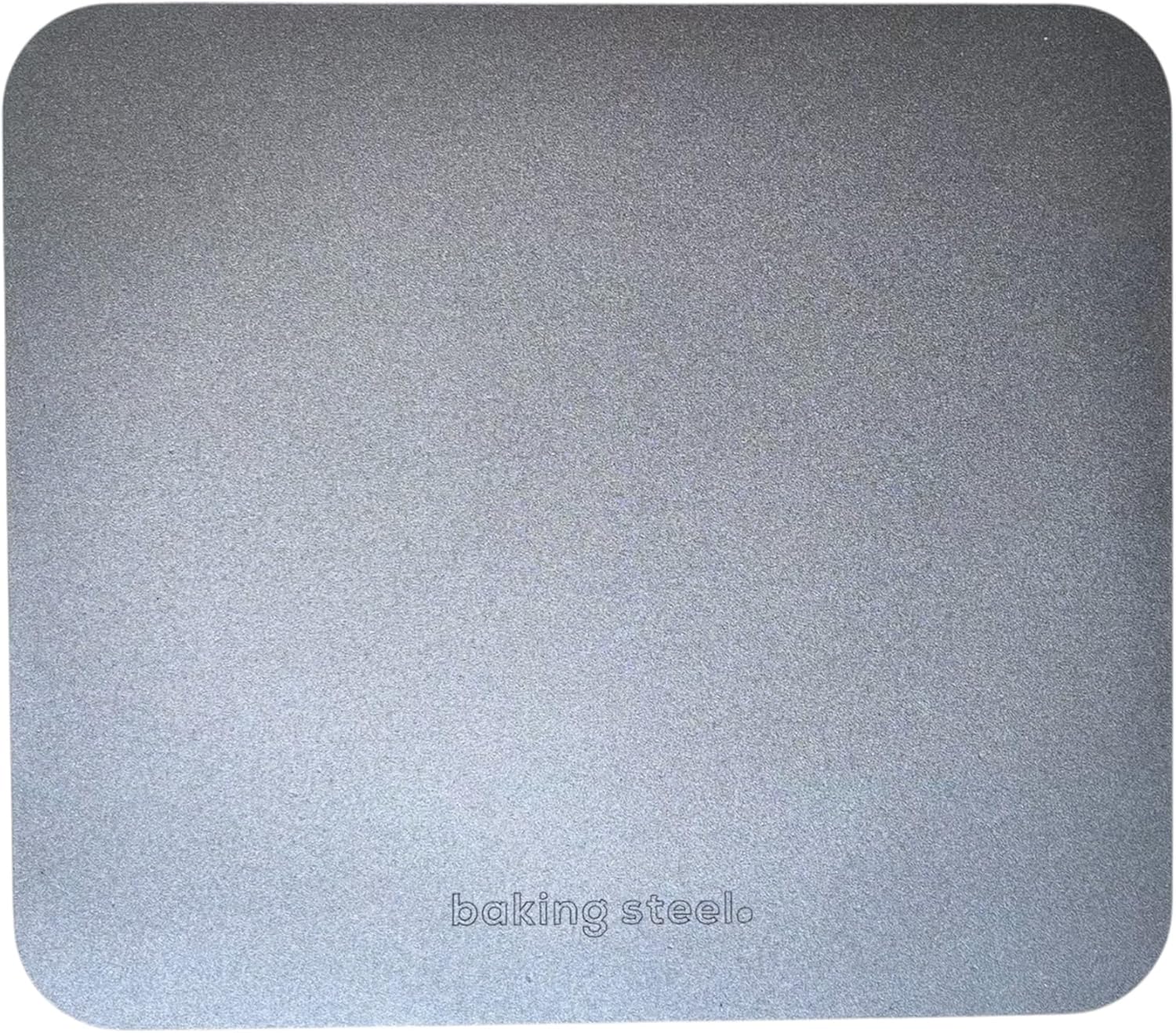
Baking steel surfaces provide an alternative to traditional ceramic stones for home bread bakers. Made from solid carbon or low-carbon steel, these thick metal slabs conduct thermal energy much more efficiently than stone. When baking sourdough bread, this rapid and even heat transfer helps set the bottom crust quickly, promoting better oven spring and a deeply caramelized finish.
Choosing the right steel depends on your oven dimensions, preferred loaf size, and how many items you plan to bake at once. Options range from compact pre-seasoned rectangles to massive heavy-duty plates weighing nearly thirty pounds. Reviewing the physical dimensions, thickness, and weight will help you select a baking surface that fits your kitchen setup and baking routine safely.
As an Amazon Associate, StacyLaughs earns from qualifying purchases.
Buying guide
Steel Thickness and Heat Retention
Steel thickness directly dictates how much thermal energy a baking plate can store and how quickly it recovers heat between batches. Thinner plates heat up faster, but thicker models maintain steady temperatures during intensive baking sessions. When evaluating your baking style, consider whether you bake single loaves or multiple batches back-to-back in your home kitchen.
For most home bakers, a one-quarter inch thickness provides an ideal balance of thermal performance and manageable weight for daily kitchen routines. Heavy-duty options excel when you need continuous high heat for multiple loaves without experiencing temperature drops. Matching the steel thickness to your typical baking volume ensures optimal crust development for your homemade sourdough bread.
Dimensions and Oven Compatibility
Before purchasing any baking steel, measure your oven interior and rack dimensions carefully to ensure a safe and proper fit. A plate that is too large will block proper heat circulation and airflow, while an undersized plate unnecessarily limits your baking capacity for larger sourdough boules and family-size pizzas. Always account for oven wall clearances before selecting your layout.
Standard full-size ovens easily accommodate sixteen by sixteen inch squares or fourteen by twenty inch rectangles. Compact or apartment-sized ovens require smaller dimensions to prevent installation issues and maintain safe operational clearance around the outer edges during high-temperature preheating cycles. Checking these measurements beforehand prevents frustrating exchanges and ensures effortless daily use.
Weight and Physical Handling
Baking steels are constructed from solid metal, meaning they carry significant weight that directly impacts daily handling and storage routines. Lighter models weigh around eight pounds, whereas heavy-duty deluxe versions exceed twenty-seven pounds of dense carbon steel. Consider your physical strength and comfort level when lifting heavy objects into elevated home oven racks.
Some designs incorporate helpful features like built-in finger holes to improve grip security during transport and storage. Assess whether you prefer a lighter plate that is easy to remove or a heavy slab that stays permanently in your oven cavity. Proper handling preparation protects your kitchen surfaces from accidental drops and physical strain.
Seasoning and Surface Maintenance
Most baking steels ship raw or shot-blasted and require an initial seasoning process before their very first use. This involves washing the steel thoroughly, applying a thin coat of food-safe oil, and baking it at a moderate temperature for one hour. Other options arrive fully pre-seasoned and ready for immediate bread baking right out of the box.
Over time, regular baking builds a natural non-stick patina that enhances release properties similar to traditional cast iron cookware. Routine maintenance requires careful hand washing and thorough drying, occasionally followed by a light oil application to prevent rust during extended storage periods. Following manufacturer care instructions ensures lasting product performance over the years.
Material Composition and Durability
Baking plates are typically crafted from solid low-carbon or carbon steel designed to withstand extreme temperatures up to one thousand degrees Fahrenheit safely. Unlike fragile ceramic stones, solid metal construction completely eliminates cracking risks from sudden thermal shock during high-heat preheating cycles. This virtually indestructible nature makes steel a reliable long-term kitchen investment for home bakers.
The high thermal conductivity of steel moves heat into dough much more efficiently than traditional stone, ensuring consistent bottom crust development for sourdough. Selecting a durable single-piece laser-cut steel guarantees structural longevity across countless baking sessions without warping or degrading under direct flame or intense oven heat.
Cooking Versatility Beyond Bread
While excellent for sourdough bread and artisan pizzas, baking steels function as highly versatile flat-top cooking surfaces for numerous other everyday family recipes. Their robust thermal properties make them exceptionally suitable for use inside standard home ovens, on outdoor grills, over dual stovetop burners, or even above campfires during outdoor excursions.
You can cook delicious smash burgers, roasted vegetables, flatbreads, and breakfast items directly on the seasoned metal surface with absolute ease. This multi-functional capability transforms a simple bread baking plate into an all-around cooking tool that handles diverse high-heat tasks year-round without requiring separate griddle pans, heavy cast iron skillets, or specialized flat-top equipment in your kitchen.
Frequently asked questions
How does a baking steel improve sourdough bread compared to a ceramic stone?
A baking steel offers significantly higher thermal conductivity than traditional ceramic stones, transferring heat into dough up to twenty times faster. This rapid and efficient heat transfer helps set the bottom crust quickly as soon as the loaf touches the hot surface, promoting superior oven spring and even caramelization. Furthermore, solid steel is virtually indestructible and will never crack or shatter from thermal shock, whereas ceramic stones can break under sudden temperature shifts.
Do baking steels require seasoning before baking sourdough?
Seasoning requirements depend entirely on the specific model you choose. Some baking steels ship pre-seasoned from the factory, meaning they arrive ready for immediate use without any washing, oiling, or hour-long baking steps. Other models ship shot-blasted and raw, requiring you to wash the surface, apply a thin coat of food-safe oil, and bake it for one hour before your first cooking session to establish a protective non-stick patina.
How should I clean and maintain my baking steel after baking bread?
Maintenance for a baking steel resembles cast iron care. After the steel cools completely, wash it by hand using warm water, avoiding harsh dishwashers or abrasive soaps that strip the seasoned layer. Dry the metal thoroughly with a towel to prevent rust formation. For extra protection during storage, apply a very light coat of food-safe oil across the surface before putting it away in your kitchen cabinet or oven.
Can I use a baking steel on an outdoor grill or stovetop?
Yes, most low-carbon and carbon steel baking plates are designed for versatile multi-environment use. In addition to standard home ovens, you can place them on outdoor gas or charcoal grills, position them over dual stovetop burners, or use them over campfires. Their durable solid metal construction handles direct flames and extreme high temperatures without warping, functioning effectively as a flat-top griddle for burgers, vegetables, and flatbreads.
How do I choose the right thickness and size for my baking steel?
Choosing the right size starts with measuring your oven interior and rack dimensions to ensure proper clearance for airflow. For thickness, one-quarter inch is the most versatile option for general home baking, balancing heat retention and manageability. If you plan on conducting heavy, continuous back-to-back baking sessions for a crowd, a three-eighths inch deluxe plate stores more thermal mass, whereas lighter plates around eight pounds offer easier maneuverability.