Appliances · Buying Guide
Best Baking Steel Pizza Dough Surfaces for Crispy Home Crusts
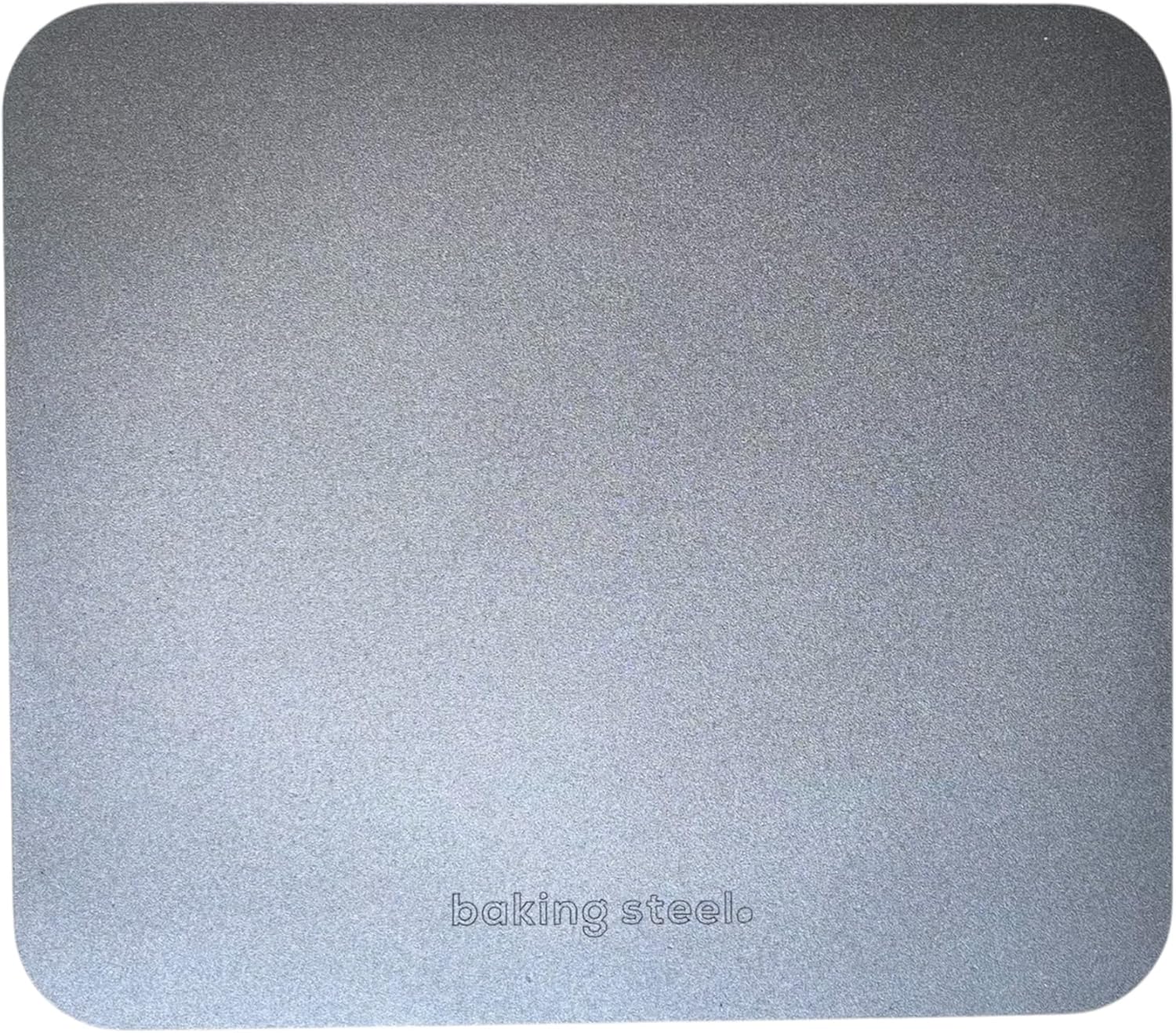
Making restaurant-quality pizza at home relies heavily on transferring intense thermal energy directly into your dough. Unlike traditional ceramic stones that crack under sudden thermal shock, solid carbon steel plates conduct heat rapidly and efficiently. This allows standard kitchen ovens to produce deeply browned, blistered crusts in under ten minutes without requiring specialized commercial equipment.
Home bakers can choose from diverse dimensions, plate thicknesses, and weight classes engineered to fit standard kitchen ranges, outdoor grills, and campfires. Selecting the ideal steel surface depends on your specific baking frequency, desired crust style, and how much physical weight you prefer to manage during regular handling, cleaning, and storage routines in your kitchen space.
As an Amazon Associate, StacyLaughs earns from qualifying purchases.
Buying guide
Steel Thickness and Heat Retention
Choosing the correct steel thickness directly affects how well your baking surface stores and transfers thermal energy into your pizza dough. Thinner plates heat up quickly and suit single-pie cooking, while thicker options retain significantly more heat for demanding back-to-back baking sessions. Evaluating your typical cooking volume helps determine whether a standard profile or heavy-duty version fits your culinary routine best.
A one-quarter inch thickness represents a versatile standard for most home kitchens, balancing rapid thermal recovery with reasonable overall weight. Heavier plates exceeding three-eighths of an inch suit frequent hosts and serious bread bakers who need uninterrupted high-temperature performance. Matching your steel thickness to your actual baking frequency prevents unnecessary physical strain while delivering optimal crust crispness.
Dimensions and Oven Compatibility
Before purchasing any baking steel, carefully measure the interior depth, width, and rack clearance of your kitchen oven. A sixteen-inch square plate provides ample surface area for large pies, but it requires adequate room on standard oven racks to maintain proper air circulation. Failing to check these internal dimensions can result in a tight fit that hinders easy placement and removal.
Compact, apartment-sized, or European-style ovens often require smaller dimensions, such as fourteen-inch variants, to prevent restricted heat circulation around the plate edges. Checking your appliance specifications beforehand ensures your chosen steel rests securely on the rack without scraping interior walls or blocking the oven door from closing completely.
Pre-Seasoned Versus Raw Steel Surfaces
Baking steel surfaces typically arrive either pre-seasoned or shot-blasted as raw metal needing initial preparation at home. Pre-seasoned models allow you to bake pizzas immediately out of the box, saving time and skipping the initial oiling and baking process required for raw plates. This immediate readiness appeals to cooks who want zero setup friction before their first baking session.
Raw steel plates require a simple initial seasoning step involving a thin coat of cooking oil and an hour in the oven at a moderate temperature. Once seasoned, both styles build a natural non-stick patina over time, improving food release performance with every subsequent use. Understanding these finish differences helps you decide between instant usability and traditional metal care.
Weight Management and Handle Comfort
Solid carbon steel plates are exceptionally durable, but their high density translates into significant physical weight ranging from fifteen to over twenty-seven pounds. Managing this heavy mass requires two-handed lifting and careful maneuvering when transferring the steel into hot oven racks or removing it for cleaning. Assessing your personal lifting comfort helps prevent strain during everyday kitchen routines.
Consider your physical strength and storage habits when selecting a specific thickness class. Lighter fifteen-pound models are noticeably easier to wash, maneuver, and store away, while heavier deluxe variants demand deliberate effort during routine maintenance tasks. Choosing a weight that matches your comfort level ensures you will use the baking steel frequently without hesitation.
Versatility Beyond Pizza Baking
While designed primarily for crafting crispy pizza crusts, heavy baking steels double as highly effective flat-top griddles for a wide variety of daily cooking tasks. Their high thermal mass allows them to perform wonderfully on outdoor grills, campfires, and standard gas or electric stovetops. This multi-surface adaptability expands your everyday cooking options far beyond traditional Italian pie nights.
You can use these sturdy metal plates to cook smash burgers, sear vegetables, toast flatbreads, or bake artisan sourdough loaves and breakfast items with consistent heat. Evaluating broad cooktop compatibility helps you maximize the utility of your steel investment across breakfast, lunch, and dinner preparation without needing specialized separate griddle pans in your cabinets.
Durability and Maintenance Requirements
Unlike fragile ceramic stones that crack under sudden thermal shock, solid carbon steel plates are virtually indestructible and withstand extreme oven temperatures without ever shattering. Hand washing with minimal soap and thorough drying protects the seasoned metal surface from rusting over time. This robust durability makes a baking steel a permanent addition to your kitchen cookware collection.
Following manufacturer maintenance guidelines ensures your baking surface remains in excellent condition for years of frequent meal preparation. Proper care preserves the dark, non-stick patina that develops naturally with each baking session, making subsequent food release even smoother. Respecting simple hand wash and light oil maintenance routines keeps your steel performing reliably for decades.
Frequently asked questions
Do I need to preheat a baking steel before cooking?
Yes, preheating is essential for achieving professional results with a baking steel. You should place the steel inside your oven and preheat the appliance to its highest setting, typically around five hundred degrees Fahrenheit, for forty-five to sixty minutes before baking. This extended preheating period allows the dense metal to absorb and store maximum thermal energy. When you launch your pizza dough onto the hot surface, the stored heat transfers rapidly into the crust, creating characteristic browning and crispness in under ten minutes.
Can I use a baking steel on an outdoor grill?
Many baking steels are designed to work effectively on outdoor gas and charcoal grills, functioning as a heavy-duty flat-top griddle surface. The durable low-carbon steel handles direct flames without warping, making it versatile for outdoor cooking. You can place the steel over grill grates to bake pizzas, smash burgers, sear vegetables, or cook breakfast items in the open air. Always check the dimensions of your specific grill to ensure the plate fits securely over the flame zones before starting your outdoor cooking session.
How do I clean and maintain my baking steel?
Cleaning and maintaining a baking steel requires simple hand washing rather than putting it in an automated dishwasher. After the steel cools completely, scrape away any baked-on food residue and wash it gently with warm water, avoiding harsh detergents that can strip the seasoned finish. Dry the metal thoroughly immediately after washing to prevent rust, and apply a very thin coat of cooking oil to protect the surface. Storing the steel in a dry place maintains its natural non-stick patina for future baking.
What is the difference between a baking steel and a ceramic pizza stone?
The primary difference lies in material composition, thermal conductivity, and durability. Steel conducts heat up to twenty times more efficiently than ceramic, transferring thermal energy into pizza dough much faster for superior crust browning. Additionally, ceramic stones are prone to cracking or shattering under sudden thermal shock if exposed to rapid temperature changes or moisture. In contrast, solid carbon steel plates are virtually indestructible, handling extreme heat and direct flame exposure without breaking while offering reliable, long-lasting performance in home ovens.
How do I choose the right thickness for my cooking style?
Choosing the right steel thickness depends on your cooking habits and hosting frequency. A standard one-quarter inch thickness provides an ideal balance of rapid heat transfer and manageable weight, handling single pizzas and sourdough bread effectively. If you frequently host large gatherings or cook multiple pizzas back-to-back, a thicker three-eighths inch deluxe plate stores more heat and recovers faster between bakes. For home cooks prioritizing lightweight handling over heavy thermal storage, thinner options offer easier maneuverability for casual weeknight meal preparation.