Appliances · Buying Guide
Best Baking Steel Options for Crispy Homemade Pizza and Bread
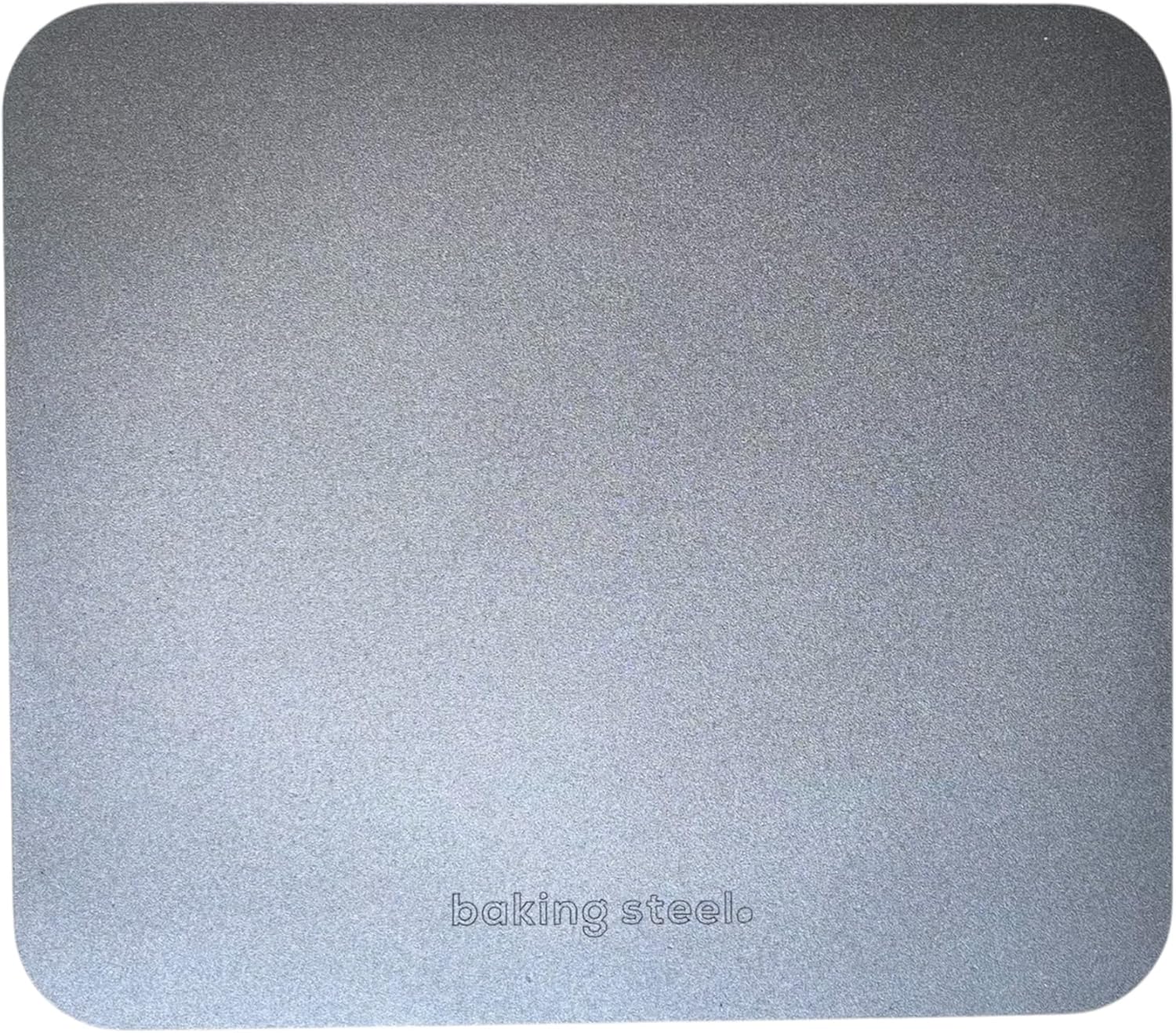
Baking at home has evolved far beyond traditional ceramic stones, with heavy metal plates offering superior heat transfer for home cooks seeking authentic, wood-fired crusts. A baking steel pizza steel acts as a thermal battery, absorbing high oven heat and releasing it rapidly and directly into dough for optimal browning and rapid cooking times.
These solid metal plates handle intense heat without cracking, making them durable, lifelong upgrades for standard kitchen ovens, outdoor grills, or campfires. Whether you are baking artisan sourdough boules, flatbreads, or traditional pies, selecting the right thickness and surface dimensions ensures reliable baking performance across a wide variety of favorite homemade recipes.
As an Amazon Associate, StacyLaughs earns from qualifying purchases.
Buying guide
Selecting the Correct Thickness
Thickness determines how well a baking steel retains heat and how much physical effort is required to move it around the kitchen. A quarter-inch thickness represents the most versatile option for everyday home cooking, effectively balancing rapid heat transfer with reasonable lifting weight. Thinner plates heat up quickly but lose temperature faster during continuous baking sessions.
Conversely, heavier plates measuring up to three-eighths of an inch thick store immense thermal energy for back-to-back baking tasks and heavy-duty cooking. However, this extra mass drastically increases overall plate weight, making routine handling, storage, and cleaning much more physically demanding for users. Home cooks should carefully weigh their typical baking volume against their daily lifting comfort before purchasing.
Measuring Oven Interior Dimensions
Before purchasing any metal baking plate, thoroughly measuring the interior dimensions of your kitchen oven is an absolute essential step to ensure a proper fit. Standard full-size residential ovens typically accommodate sixteen-inch or even twenty-inch plates easily, but compact, apartment-sized, or European-style appliances have significantly limited internal depth.
You must measure both the interior rack width and depth very carefully, leaving adequate space around all four edges for proper hot air circulation. Buying a steel plate that is too large will prevent the oven door from closing completely, rendering the cooking tool completely unusable. Taking accurate measurements beforehand avoids frustrating returns and guarantees seamless installation inside your specific kitchen appliance.
Surface Preparation and Seasoning
Baking steel plates arrive from manufacturers in varying states of surface preparation that directly affect your very first cooking experience at home. Some specialized models ship pre-seasoned with oils, allowing you to start baking pizza immediately without any initial preparation. Others arrive shot-blasted or bare, requiring a mandatory home seasoning process before first use.
Seasoning a bare steel plate typically involves washing the metal surface thoroughly, applying a very thin coat of cooking oil, and baking it in a residential oven for about one full hour. This foundational step builds a natural non-stick patina that darkens and improves with every subsequent meal you prepare, effectively protecting the raw metal from rust over time.
Weight Management and Handling
Solid steel plates are exceptionally dense and heavy, which contributes directly to their impressive thermal performance but introduces clear handling challenges. Weights range from fifteen pounds up to over thirty pounds for extra-thick deluxe versions. Users must carefully consider their own physical strength and lifting comfort when planning to move these large metal slabs.
Placing or removing a heavy steel plate from a hot oven rack requires two hands and careful coordination to avoid accidental burns or dropped items. Some designs incorporate helpful thumb holes or polished edges to improve grip security during transport around the kitchen. Always allow the steel to cool completely inside the oven before attempting any cleaning or storage.
Versatility Across Cooking Appliances
While primarily designed for baking artisan pizzas and sourdough bread in residential kitchen ovens, baking steels offer remarkable versatility across a wide variety of cooking heat sources. Their sturdy metal construction easily handles direct flames on outdoor gas grills, charcoal barbecues, and even open campfires without warping or cracking from sudden thermal shock.
On a stovetop or outdoor grill grate, a large rectangular or square steel functions efficiently as a flat-top griddle surface for versatile meal preparation. This enables you to cook smash burgers, breakfast foods, flatbreads, and roasted vegetables with great ease. Choosing a versatile model that fits both your indoor oven and outdoor grill maximizes your overall investment.
Maintenance and Cleaning Care
Maintaining a baking steel requires simple hand washing rather than harsh chemical dishwashing detergents that can strip away the valuable seasoned non-stick patina. Most manufacturers strongly recommend wiping the surface clean with a damp cloth or washing gently by hand with warm water, followed by thorough drying to prevent any unwanted rust formation.
Applying a very light layer of cooking oil after cleaning helps preserve the seasoned metal finish safely during storage between baking uses. Because these heavy plates are crafted from carbon steel, avoiding prolonged exposure to standing water keeps the metal in pristine condition for years of reliable baking performance and endless successful homemade pizza nights.
Frequently asked questions
How long should I preheat a baking steel before cooking pizza?
To achieve the best possible crust and replicate a wood-fired oven experience, you should preheat your baking steel inside the oven at five hundred degrees for forty-five to sixty minutes. This extended preheating period allows the heavy metal plate to act as a thermal battery, absorbing and storing enough heat energy to cook a fresh pizza in under eight minutes. Placing the steel on an upper or middle oven rack ensures it captures direct radiant heat, resulting in an evenly browned bottom crust and a perfectly bubbled top without requiring specialized restaurant equipment.
Can I use a baking steel on an outdoor grill or campfire?
Yes, most high-quality baking steels are crafted from durable low-carbon steel designed to withstand intense heat sources beyond just indoor kitchen ovens. You can place the steel directly over gas burners, charcoal grates, or open campfires to use it as a flat-top griddle surface. Its rugged metal construction handles direct flames without warping or suffering from thermal shock like fragile ceramic stones. This flexibility allows you to cook smash burgers, breakfast foods, vegetables, and flatbreads outdoors, greatly expanding the culinary usefulness of your baking plate across multiple environments.
Do baking steels require seasoning before the first use?
Seasoning requirements depend entirely on the specific manufacturing finish of the baking steel you purchase. Some models ship pre-seasoned from the factory, meaning they arrive ready for immediate baking without requiring any initial oiling or heating cycles. Other models arrive shot-blasted or bare, requiring a simple one-time seasoning process before your first meal. This involves washing the plate, applying a very thin coat of cooking oil, and baking it in an oven at a moderate temperature for about an hour to build a natural non-stick patina that protects the metal.
How do I clean and maintain my baking steel properly?
Cleaning a baking steel is straightforward and requires avoiding harsh dishwashing detergents or soaking the metal in water, which can cause rust. After allowing the plate to cool completely, you should scrape away any leftover food debris and wipe the surface clean using a damp cloth or warm water by hand. Thoroughly drying the metal immediately after washing is essential. To protect the seasoned finish and prevent oxidation during storage, apply a very light coating of cooking oil across the entire surface before putting it away in your kitchen.
Why choose a steel plate over a traditional ceramic pizza stone?
Baking steels offer significantly higher thermal conductivity and heat capacity compared to traditional ceramic stones, transferring heat into dough up to twenty times faster. This superior conductivity allows you to achieve authentic, crispy crusts at lower home oven temperatures. Furthermore, while ceramic stones are prone to cracking or shattering from thermal shock if handled improperly or exposed to sudden temperature shifts, solid metal baking steels are virtually indestructible. They provide lifelong durability and consistent baking performance without the risk of breaking during normal kitchen use.