Appliances · Buying Guide
Best Baking Steel Pizza Stone Options for Crispy Crusts at Home
Achieving pizzeria-quality crust in a standard home kitchen often comes down to the thermal transfer capabilities of your baking surface. Traditional ceramic stones have long been a pantry staple, but modern home bakers are shifting toward durable metal slabs that handle intense thermal demands without the risk of cracking under pressure or shattering during high-heat preheating cycles.
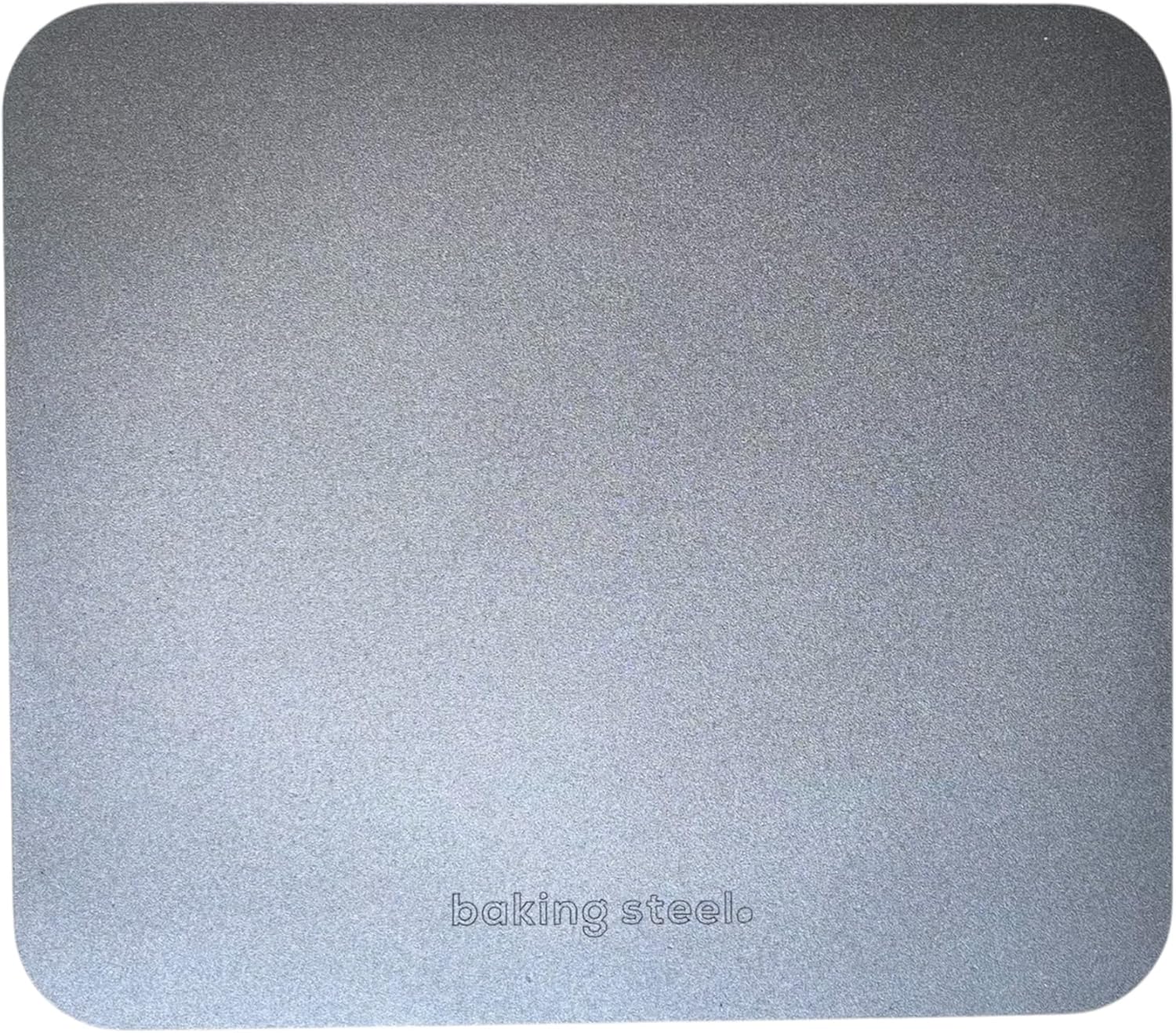
Baking steel options bring exceptional conductivity and unbreakable durability to everyday pizza making, artisan bread baking, and outdoor grill cooking. By holding and transferring heat much faster than fragile stone alternatives, these heavy-duty plates help create evenly browned crusts, blistered bubbles, and professional results right on your standard oven racks, gas ranges, or open flames.
As an Amazon Associate, StacyLaughs earns from qualifying purchases.
Buying guide
Sizing and Oven Fit
Choosing the right dimensions requires measuring your oven interior depth and rack width before purchasing. Standard models range from compact 14x12 formats up to large 16x16 squares. Make sure your oven door closes completely with the steel resting on the rack.
Compact kitchen ovens benefit from smaller profiles, while full-size ranges accommodate larger square plates easily. Always verify clearance space around the edges to maintain proper hot air circulation inside the baking chamber.
Steel Thickness and Heat Retention
Thickness directly dictates how much thermal energy a metal slab can store and transfer. A quarter-inch thickness provides an ideal balance of fast heat transfer and manageable overall weight for home kitchens.
Thicker options retain more heat for back-to-back baking sessions, while thinner alternatives heat up faster. Evaluate your typical cooking routine to select a thickness that matches your weekly baking frequency and menu.
Pre-Seasoned Versus Raw Steel Surfaces
Baking steels arrive in different surface conditions depending on the manufacturer. Pre-seasoned versions let you start baking immediately without spending an hour running an initial seasoning cycle in your kitchen oven.
Raw or shot-blasted plates require a quick initial wash and oil application followed by a bake at moderate temperatures. Once seasoned, both types develop a natural non-stick patina that improves with every subsequent use.
Versatility Across Cooking Appliances
Solid metal baking plates excel in environments beyond standard indoor kitchen ovens. Many options perform reliably on outdoor charcoal or gas grills, functioning as flat-top griddles for smash burgers and vegetables.
Ensure your chosen plate matches your preferred cooking environments, paying attention to whether the specific steel material handles direct open flames without warping during high-temperature outdoor cooking sessions.
Weight and Handling Considerations
Solid steel baking plates are dense and heavy, typically weighing between 14 and 18 pounds. Consider your physical comfort level when lifting heavy objects into hot upper or lower oven racks.
Some models include built-in lifting holes or handles to simplify transport, while others rely on flat edges. Assess how comfortable you feel maneuvering heavy cookware safely in your kitchen workspace.
Maintenance and Cleaning Practices
Proper care keeps your baking surface performing at its best over years of regular use. Most manufacturers recommend hand washing with warm water, avoiding harsh dish soaps that can strip away the developed seasoning layer.
After rinsing, dry the metal thoroughly and apply a very light coat of cooking oil to prevent surface rust. Following these simple maintenance steps preserves the natural non-stick patina over time.
Frequently asked questions
Why choose steel over a traditional ceramic pizza stone?
Steel offers vastly superior thermal conductivity compared to traditional ceramic stones, transferring heat into dough much faster to brown crusts evenly at standard home oven temperatures. Unlike fragile ceramic materials that can crack or shatter from thermal shock when exposed to rapid temperature changes, solid steel plates are virtually indestructible and built to last a lifetime without breaking.
Do I need to pre-season my baking steel before use?
It depends on the specific product you purchase. Some baking steels arrive pre-seasoned from the factory, allowing you to use them immediately for your first bake without extra preparation. Other models ship shot-blasted or raw, requiring you to wash the surface, apply a thin coat of cooking oil, and bake it in your oven for about an hour before cooking.
How long should I preheat a baking steel in the oven?
For optimal results, you should preheat your baking steel inside the oven at a high temperature, typically around 500 degrees Fahrenheit, for 45 to 60 minutes. This extended preheating window allows the dense metal slab to absorb and store enough thermal energy to cook your pizza crust thoroughly from the bottom in under ten minutes.
Can I use a baking steel on an outdoor grill or campfire?
Yes, many heavy-duty steel plates are designed to handle high-heat environments outside the kitchen. You can place them on outdoor gas or charcoal grills to function as flat-top griddles for smash burgers, vegetables, or flatbreads. Always check your specific product guidelines to confirm whether it handles direct flames and outdoor cooking applications safely.
How should I clean and maintain my baking steel after cooking?
Cleaning requires simple hand washing without harsh dish soaps or abrasive scrubbing pads that strip the seasoned coating. Simply let the plate cool completely, scrape away any baked-on residue, and rinse it with warm water. Dry the metal thoroughly with a towel and apply a thin layer of cooking oil to protect the surface from rust.