Appliances · Buying Guide
Best Baking Stone for Bread Choices to Master Crispy Crusts at Home
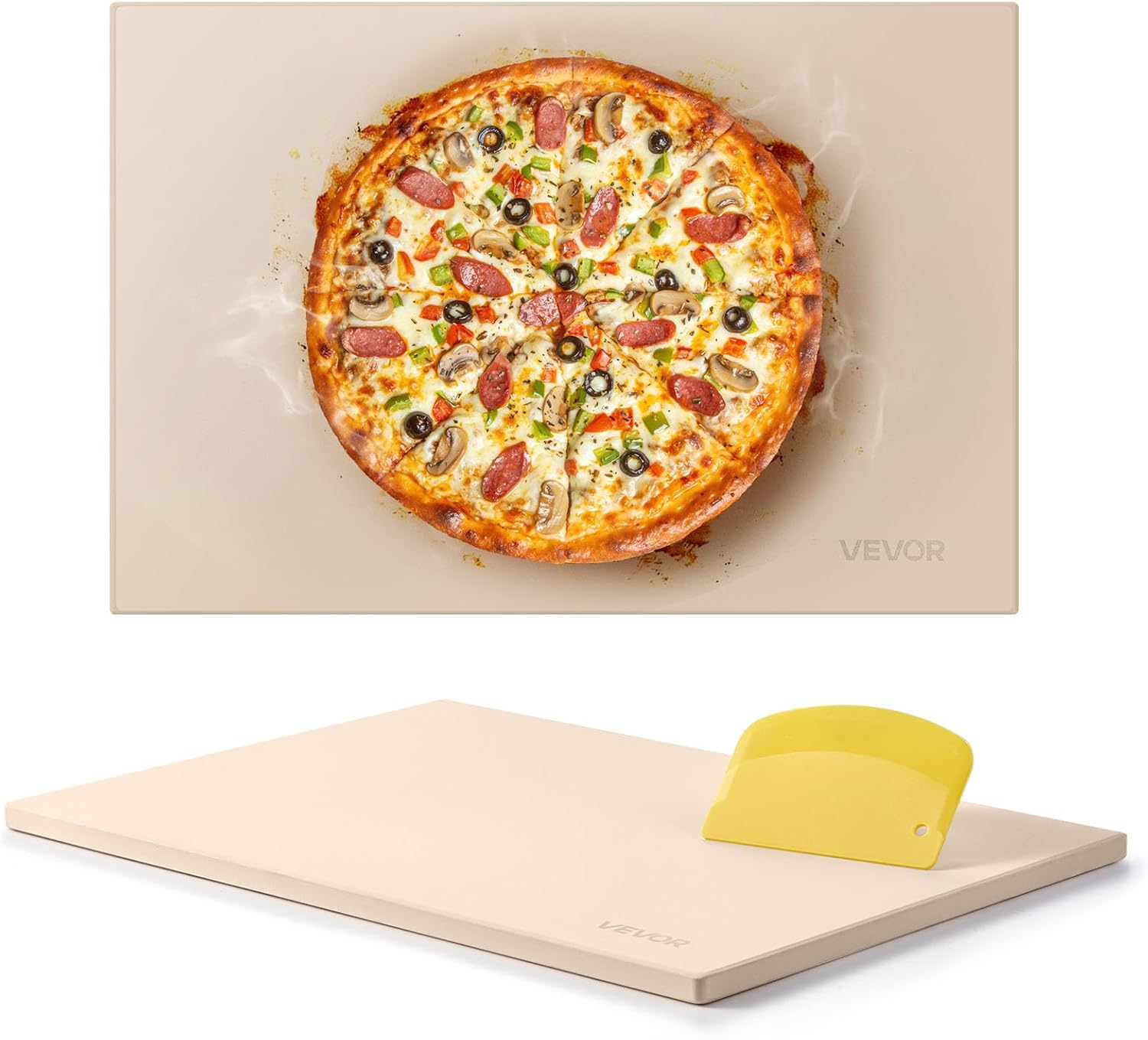
Baking artisanal bread and crisp crust pizzas at home requires reliable heat retention and efficient moisture absorption. A dedicated baking stone for bread transforms standard kitchen ovens and outdoor grills into high-temperature baking environments by evenly distributing heat across the cooking surface, which helps eliminate uneven hot spots and produces consistently professional culinary results.
These dense cordierite and durable stoneware platforms pull excess moisture directly from proofed dough, preventing soggy bottoms and ensuring satisfyingly chewy textures for sourdough loaves, baguettes, and pastries. Choosing the right size, weight, and thickness depends entirely on your specific oven capacity, grilling setup, and preferred loaf dimensions to match your daily baking routine.
As an Amazon Associate, StacyLaughs earns from qualifying purchases.
Buying guide
Material Composition and Heat Retention
Selecting the proper material forms the foundation of successful bread baking. Cordierite and traditional stoneware dominate the market due to their exceptional thermal properties. These materials absorb intense oven heat and radiate it evenly across the entire surface, preventing local burning and ensuring your artisan loaves rise uniformly with professional textures.
Stoneware often develops a natural seasoned patina over time, while cordierite excels at resisting thermal shock under extreme temperatures up to 1500 degrees Fahrenheit. Evaluating your typical baking temperatures helps determine which material suits your specific cooking style. Both options eliminate cold spots, but your choice dictates how the stone ages and handles thermal stress.
Thickness and Preheating Duration
Stone thickness directly dictates how efficiently the platform stores thermal energy and how long you must wait before baking. Thicker slabs retain heat longer for sustained baking sessions, but they require extended preheating periods to reach optimal temperatures. Conversely, thinner profiles heat up much faster in standard kitchen environments.
Balancing thickness involves weighing your desire for quick readiness against sustained heat retention. A golden thickness around 0.6 inches strikes a practical middle ground for home ovens, offering reliable thermal stability without demanding excessive warm-up times. Assess your schedule to decide if a rapid-heating or heavy-duty slab fits best.
Sizing and Oven Clearance
Matching your baking stone dimensions to your oven interior is a critical step that prevents frustrating installation hurdles. You must measure the exact width and depth of your oven rack, ensuring at least one to two inches of clearance on all sides. This airflow buffer prevents heat entrapment and protects your appliance heating elements.
Oversized stones offer incredible baking capacity for large batches, but they become useless if they collide with oven walls. Always verify interior specifications before purchasing any rectangular slab. Proper clearance guarantees seamless loading and unhindered heat circulation during your baking sessions.
Handling Aids and Weight Considerations
Weight and maneuverability heavily influence your daily experience with heavy baking stones. Dense cordierite slabs often weigh anywhere from seven to twenty pounds, making safe transport a primary concern. Models equipped with built-in integrated handles or removable stainless steel racks offer distinct advantages for lifting hot surfaces.
Without gripping aids, you must rely entirely on a separate peel or careful edge handling. Consider your physical comfort when lifting heavy objects into scorching hot ovens. Selecting a model with secure handles or a manageable weight ensures you can transfer breads safely without risking drops.
Moisture Absorption for Crust Quality
The primary advantage of a porous baking stone is its ability to extract excess moisture from raw dough. As proofed bread contacts the hot surface, the microscopic pores pull steam away from the base. This active moisture transfer is what creates the coveted crispy crust and chewy crumb structure characteristic of artisan sourdough.
Non-porous metal sheets lack this moisture-wicking property, often resulting in soggy bottom crusts. If you prioritize authentic pizzeria-style crusts and rustic artisan breads, prioritizing a porous cordierite or stoneware material is essential. Understanding this physical interaction ensures your baked goods achieve the desired texture.
Maintenance and Cleaning Protocols
Proper maintenance preserves the lifespan and performance of your porous baking stone. Because cordierite and stoneware absorb liquids and oils easily, you should never submerge them in water or use soap. Soap residue will penetrate the material and produce unpleasant odors or smoke during subsequent high-heat preheating cycles.
Instead, allow the stone to cool completely before scraping off baked debris with a rigid tool. Wipe the surface with a damp cloth and let it air dry thoroughly. Surface staining is completely normal over time and actually enhances the functional character of your baking accessory.
Frequently asked questions
Can I use soap to clean my baking stone?
You should never use soap or chemical detergents to clean a baking stone. Cordierite and stoneware materials feature highly porous structures that readily absorb liquids, oils, and cleaning agents. If you apply soap, the stone will trap those chemical residues deep inside its pores. When you preheat the stone for your next baking session, those trapped chemicals will release unpleasant odors and taint the flavor of your bread or pizza. Instead, let the stone cool completely, scrape away dried food debris with a scraper, and wipe the surface clean using only a damp cloth.
Why does my baking stone need to preheat for so long?
Baking stones require extended preheating periods because dense cordierite and stoneware materials take time to absorb and uniformly distribute thermal energy. Placing dough onto a cold or lukewarm stone prevents the rapid crust formation needed for proper oven spring and crispness. Preheating the stone inside your oven for thirty to sixty minutes ensures the entire slab reaches maximum thermal saturation. This thorough heat soak allows the stone to instantly cook the bottom of your bread dough and pull away moisture, resulting in a professional artisanal texture.
Why is my baking stone developing dark stains?
Developing dark stains and discoloration on your baking stone is completely normal and expected over time. As you bake breads, pizzas, and roasted vegetables, natural food juices, flour dust, and baking oils interact with the porous cordierite surface. These marks represent seasoning and routine wear rather than structural damage or a defect. Attempting to scrub away these stains with harsh abrasives or water soaking can actually damage the stone. Experienced bakers embrace these cosmetic discolorations because they reflect regular use and contribute to the rich character of the baking surface.
How do I prevent my baking stone from cracking?
Preventing thermal shock is the most effective way to protect your baking stone from cracking or splitting. Never expose a hot stone to cold water, damp cloths, or freezing temperatures, as sudden temperature swings destroy the structural integrity of cordierite. Always place a room-temperature or cold stone inside a cold oven, allowing it to heat up gradually as the appliance warms. When removing the stone after baking, let it cool down entirely inside the turned-off oven before attempting any cleaning or storage. Following these simple thermal rules ensures your stone lasts for years.
Can I use my baking stone on an outdoor grill?
Many quality baking stones are fully compatible with outdoor charcoal grills, gas barbecues, and smokers, provided they meet the maximum temperature ratings of the specific model. Using a stone on a grill allows you to replicate wood-fired pizza oven conditions in your backyard. However, you must carefully measure your grill grate dimensions to ensure adequate clearance around the edges for proper heat circulation. Additionally, always follow the manufacturer heating guidelines, allowing the stone to warm up gradually alongside the grill to withstand high outdoor cooking temperatures without sustaining thermal shock damage.