Appliances · Buying Guide
Best Baking Stone for Sourdough Bread Choices for Crispy Crusts
Baking artisan sourdough bread at home requires reliable heat retention to achieve that sought-after crispy crust and well-risen loaf structure. Selecting the right baking stone helps replicate traditional hearth environments by absorbing excess moisture from the raw dough and distributing thermal energy evenly across the cooking surface for consistent baking results every single time you preheat your setup.
Whether you are baking large artisan batards or standard boules in a kitchen oven, a barbecue, or an outdoor grill, matching the stone dimensions, weight, and thickness to your cooking setup ensures optimal thermal performance. This guide reviews several natural cordierite stone options designed to improve your daily baking routines without unnecessary complications or maintenance confusion.
As an Amazon Associate, StacyLaughs earns from qualifying purchases.
Buying guide
Material Composition for Heat Retention
Cordierite is the leading material choice for baking stones due to its exceptional thermal shock resistance and porous nature. When you place raw sourdough dough onto a preheated cordierite surface, the material absorbs excess moisture while radiating steady heat upward. This process helps form a blistered, crispy crust that mimics traditional commercial brick ovens. Other materials may crack under sudden temperature shifts, making cordierite a reliable option for high-heat baking.
Understanding material limits prevents accidental damage during routine use. Cordierite stones are kiln-fired to handle extreme temperatures, but they still require gradual preheating inside the oven. Never expose a cold stone to a blazing hot preheated environment instantly, as this thermal shock can cause structural failure. Choosing a quality cordierite build ensures long-term durability for your weekly bread-baking routines.
Sizing and Oven Clearance Considerations
Selecting the correct dimensions requires measuring your oven interior or grill rack before purchasing a baking stone. You must ensure there is adequate clearance space of at least one to two inches around all perimeter edges. This gap allows proper hot air circulation and prevents heat trapping that can damage your appliance. Oversized stones block airflow, which disrupts even baking and makes placement difficult.
Square stones work well in compact wall ovens, whereas large rectangular formats accommodate multiple loaves simultaneously. Consider your typical batch size when evaluating dimensions. If you bake large artisan batards, an expansive surface area is essential. Matching the stone footprint to your specific cooking appliance prevents frustration and guarantees a smooth loading process during bake days.
Thickness and Thermal Mass Dynamics
The thickness of a baking stone directly influences its thermal mass and heat retention capabilities. Thicker stones, measuring over half an inch, store more heat energy and maintain stable temperatures when cold dough is loaded. This steady heat delivery encourages an impressive oven spring in sourdough bread. Thinner models heat up faster but lose temperature more quickly during extended baking sessions.
Balancing weight and thickness is crucial for everyday kitchen convenience. While extra-thick stones offer superior thermal stability, they also add significant weight that makes lifting and cleaning cumbersome. Assess how often you plan to store the stone versus leaving it permanently inside the oven. Choosing the right profile depends on your willingness to manage heavier cookware safely.
Handling and Transfer Features
Moving a heavy, extremely hot baking stone requires thoughtful design features like integrated handles or included accessories. Some stones feature built-in grips carved directly into the stoneware, providing secure holding points for oven mitts. Other options rely on flat edges that require a wooden or metal peel to slide items on and off. Evaluate your comfort level with hot tool transfers before selecting a style.
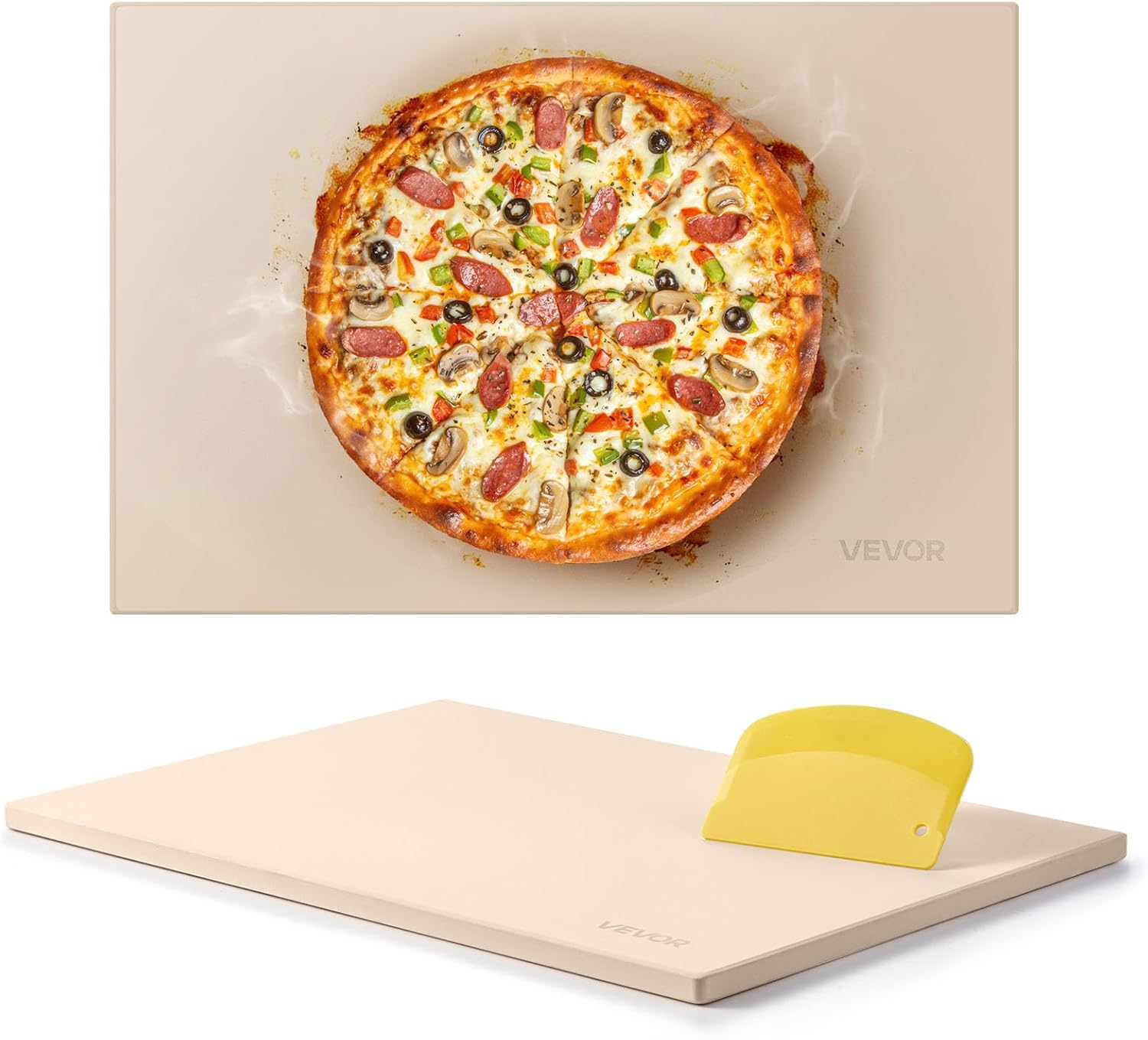
Bundled accessories such as pizza peels, silicone mats, or dough scrapers add practical value to your purchase. A sturdy peel prevents dough deformation when launching high-hydration sourdough into the oven. Meanwhile, dedicated scrapers help portion sticky dough and clear cooled surfaces without scratching the porous stone. Look for packages that include these helpful tools if you are starting out.
Temperature Ratings and Limits
Baking stones feature maximum temperature ratings that dictate where they can be safely used. Standard models handle temperatures up to eleven hundred degrees, while heavy-duty cordierite versions withstand extremes exceeding fourteen hundred degrees Fahrenheit. If you plan to use your stone over charcoal or gas grill flames, verifying high heat tolerance prevents cracking or warping during intense outdoor cooking sessions.
Adhering to manufacturer temperature guidance ensures your investment lasts for years. Even with high heat resistance, sudden thermal changes remain a primary hazard. Always preheat the stone gradually inside the cold oven rather than placing it into a blazing hot environment. Respecting these operational limits keeps the stone structurally sound and ready for frequent sourdough baking.
Maintenance and Cleaning Care Guidelines
Proper maintenance preserves the porous structure of a cordierite baking stone. You should never use soap, detergents, or chemical cleaners, because the porous material absorbs liquids and lingering odors that transfer to future loaves. Instead, let the stone cool completely, then use a stiff brush or flat scraper to remove baked-on flour and food residue. Wipe the surface down with a damp cloth if necessary.
Avoiding oils and seasonings is equally important for preventing smoke during high-heat baking. Natural discoloration and dark spots will develop over time, but these aesthetic changes are normal and do not affect baking performance. Embracing these characteristics allows your stone to build character. Following manufacturer care guidelines guarantees safe, odor-free baking sessions every time you fire up your oven.
Frequently asked questions
Do I need to season my baking stone with oil before baking sourdough bread?
No, you should never season a cordierite baking stone with oil or fats. Because the stoneware is porous, applying oil causes the material to absorb the lipids, which leads to heavy smoke and unpleasant odors when heated inside a hot oven. Instead of seasoning, simply rely on the natural porous properties of the cordierite to absorb dough moisture and create a crispy crust. Regular flour or cornmeal sprinkled on the transfer surface is sufficient to prevent sticking.
Can I use soap and water to clean my pizza and bread stone?
You should never use soap, detergents, or submerge the baking stone in water. The porous cordierite material easily absorbs liquids and soap residues, which will later emit unpleasant chemical odors and ruin the flavor of your sourdough bread during subsequent bakes. Allow the stone to cool down entirely, then gently scrape away any dried food residue with a spatula or stiff brush. Wipe the surface clean with a damp cloth without soaking it.
Why does my baking stone change color and develop dark stains?
Dark stains and discoloration are a completely normal part of using a porous cordierite baking stone. Sugars, flour, and natural juices from dough will caramelize and burn onto the surface during high-heat baking, leaving permanent marks. These visual changes do not affect the structural integrity or functional performance of the stone. Many experienced bakers consider staining a sign of a well-used tool that adds character to the baking process over time.
How should I preheat my baking stone to prevent thermal cracking?
To prevent thermal shock and cracking, always place your cold baking stone inside a cold oven before turning it on. Allow the stone to heat up gradually as the appliance reaches your target temperature. Never place a cold stone directly into a preheated oven or onto an open flame, as the rapid temperature shift can cause structural failure. Allowing extra preheating time during the first use also ensures even heat distribution across the surface.
Can I use my baking stone on an outdoor grill or barbecue?
Many cordierite baking stones are rated for high-heat outdoor use on gas grills, charcoal barbecues, and smokers, provided they meet the manufacturer temperature limits. Always check the specific maximum temperature rating of your stone before exposing it to direct flames. When grilling, preheat the stone gradually with the grill lid closed to build steady thermal energy, allowing you to bake artisan sourdough and pizzas outdoors with authentic hearth-style results.