Appliances · Buying Guide
Best Baking Tray for Baguettes to Achieve Bakery-Quality Crusts
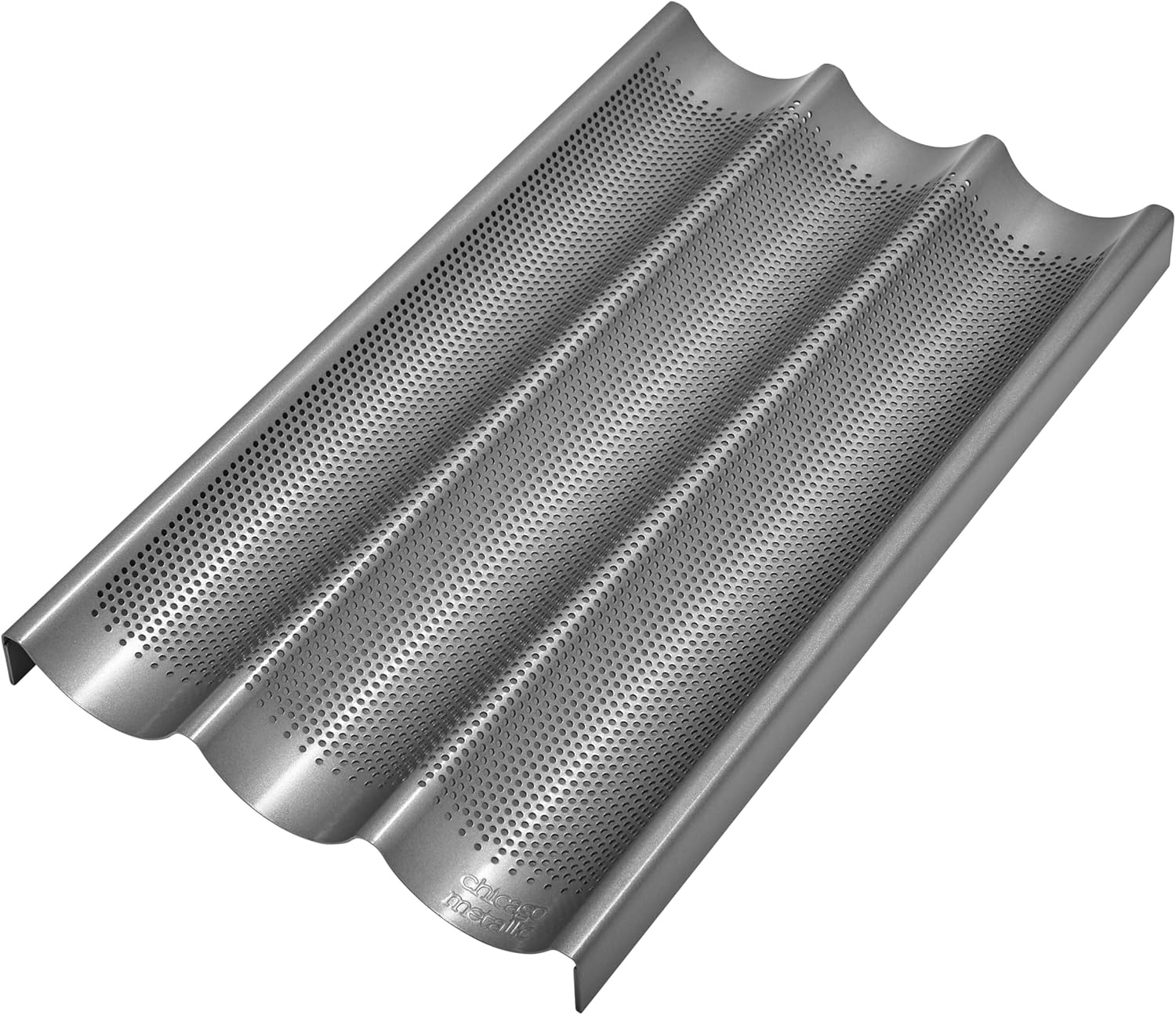
Baking artisan bread at home requires specific equipment to replicate professional bakery results. A dedicated baking tray for baguettes features perforated channels that support dough shape while promoting airflow during the baking process. Choosing the right tray helps home bakers achieve a crispy exterior and a soft interior without relying on complex culinary techniques.
Various materials, dimensions, and slot configurations are available to fit different kitchen setups. Understanding how carbon steel or aluminum constructions affect heat distribution helps you select a tray that matches your oven capacity and baking frequency. Proper tray selection simplifies the transition from proofing dough to serving warm, golden loaves.
As an Amazon Associate, StacyLaughs earns from qualifying purchases.
Buying guide
Material Composition and Heat Conduction
Selecting the right material for your baking tray influences how evenly your bread browns. Carbon steel and aluminum are common options that offer rapid thermal conductivity. Carbon steel provides rigid durability and withstands high temperatures without warping.
Aluminum distributes heat uniformly across the entire cooking surface to prevent hot spots. Matching the material to your oven type ensures consistent baking results for every single batch of homemade French bread.
Slot Count and Batch Capacity
Tray capacity dictates how many loaves you can prepare during a single baking session. Options range from two-slot narrow models to four-well family-sized trays. Consider your typical household needs and meal preparation volume.
Larger pans maximize efficiency for entertaining guests, while smaller versions save counter and oven space. Choosing an appropriate slot count prevents overcrowding and ensures proper heat circulation around each individual loaf.
Perforation Design for Crust Quality
Perforated surfaces play a crucial role in developing the characteristic crust of artisan baguettes. Tiny holes spaced across the pan allow moisture to escape and air to circulate freely. This airflow supports a crisp exterior.
Without adequate ventilation, dough can trap steam and develop a soft, uneven texture. Examining hole distribution helps you choose a design that promotes proper browning and a light interior crumb.
Dimensions and Oven Compatibility
Physical dimensions determine whether a baking tray will fit comfortably inside your kitchen oven. Standard lengths often measure around fifteen inches, but widths vary significantly based on slot arrangements. Measure your interior rack space first.
Verifying dimensions prevents clearance issues during loading and unloading. Selecting a compatible size ensures the tray sits flat without resting against oven walls or restricting necessary heat flow.
Nonstick Coatings and Release Properties
Nonstick coatings simplify the process of removing baked loaves from the pan channels. Food-grade silicone or dual-layer nonstick treatments prevent dough from adhering to the metal surface. This feature reduces cleanup time after baking.
While many pans offer easy release properties, applying a light layer of oil or parchment paper can provide extra assurance. Reviewing surface finishes helps maintain smooth demolding performance over years of regular use.
Cleaning and Maintenance Guidelines
Proper maintenance preserves the longevity and nonstick integrity of your bread pans. Many models support hand washing or dishwasher cycles according to manufacturer specifications. Hand washing often protects coatings from harsh detergents.
Following recommended care instructions prevents premature wear on specialized surfaces. Simple upkeep routines ensure your baking equipment remains reliable and ready for everyday bread preparation tasks.
Frequently asked questions
What is the purpose of the holes in a baguette baking tray?
The perforated holes on a baguette baking tray allow air to circulate freely around the dough during the baking cycle. This increased airflow helps release moisture from the bread, resulting in a light, airy interior and a crisp, golden-brown crust similar to traditional bakery loaves. Proper ventilation also prevents the bottom of the dough from becoming soggy while baking in standard home kitchen ovens.
How do I prevent bread dough from sticking to a nonstick baguette pan?
To prevent sticking, you can apply a thin layer of butter or oil to the pan channels before your first use and subsequent baking sessions. Alternatively, lining the baking tray with parchment paper provides an extra layer of nonstick assurance, especially when working with high-hydration doughs that tend to adhere to metal surfaces. Following the manufacturer cleaning guidelines also helps preserve the nonstick coating over time.
Can I proof dough directly on a perforated baguette pan?
Certain rigid carbon steel and metal baguette pans feature sturdy construction that allows you to proof dough directly in the slots. This helps the loaves maintain their curved shape from the initial rise straight through to the final bake. Always check the specific product design and stability before attempting direct proofing to ensure the tray supports the weight and shape of your specific bread recipe.
What is the difference between carbon steel and aluminum baguette pans?
Carbon steel pans offer heavy-weight durability and high temperature resistance, making them sturdy options that resist warping during frequent high-heat baking sessions. Aluminum pans provide uniform heat distribution across the loaf channels to eliminate hot spots. Both materials support effective baking performance, so your choice depends on whether you prioritize heavy-weight rigidity or uniform thermal conductivity for your specific kitchen setup.
How do I choose the right size baguette pan for my oven?
Choosing the right size requires measuring the interior width and depth of your oven rack before purchasing. Baguette pans typically range from fifteen to sixteen inches in length, with widths varying based on whether they feature two, three, or four loaf slots. Selecting a tray that leaves adequate clearance around the edges ensures proper heat circulation and prevents the pan from touching the interior oven walls.