Appliances · Buying Guide
Best Baking Tray for Muffins: Choosing Carbon Steel and Silicone Molds
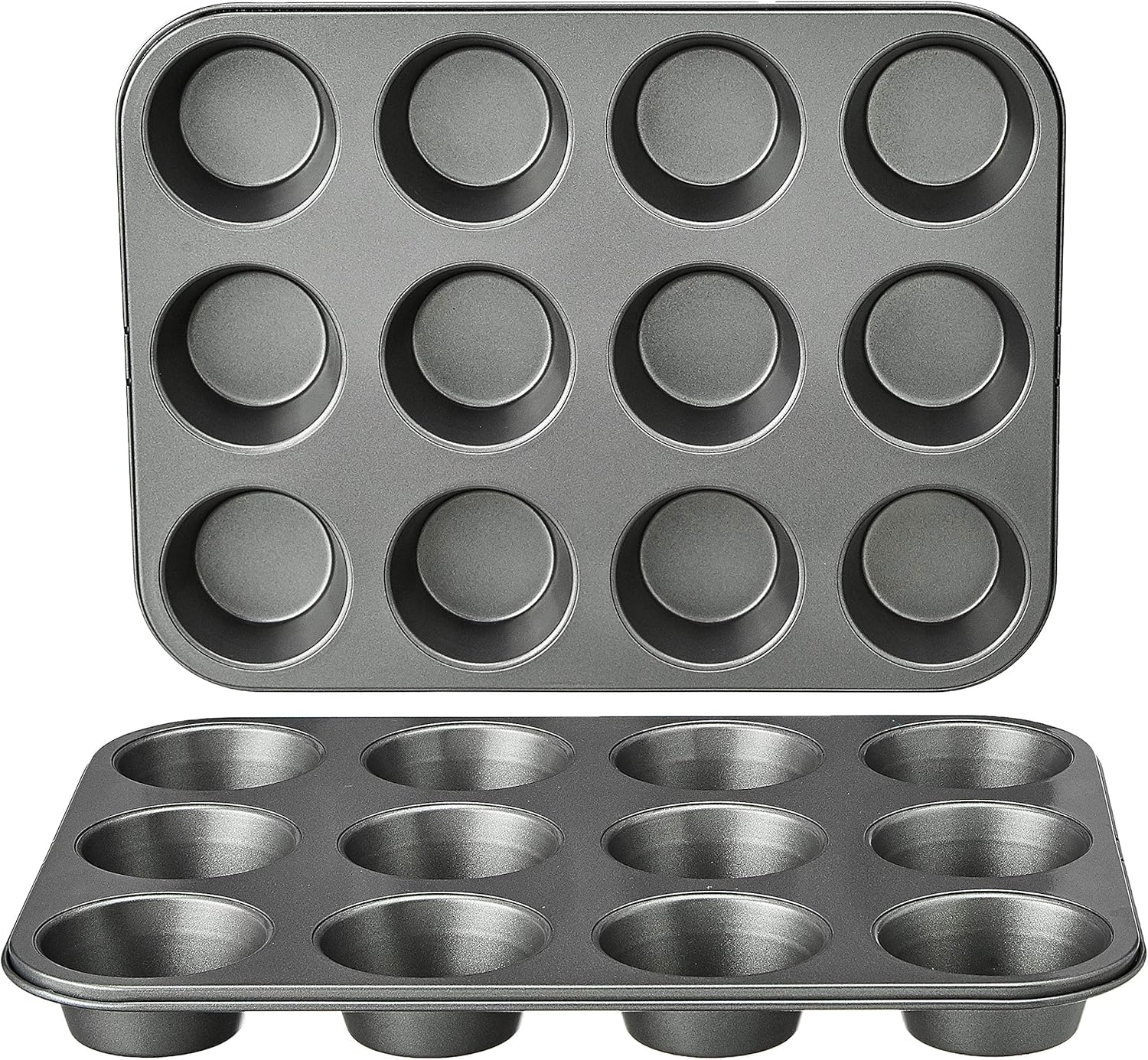
Finding the right baking tray for muffins involves balancing material types, heat distribution, and your typical batch size. Whether you bake weekly treats or large batches for family gatherings, standard twelve-cup trays provide a reliable layout. Understanding how carbon steel, heavy-duty steel, and flexible silicone perform helps you select a pan that matches your favorite recipes and cleanup preferences.
Different options offer distinct handling benefits, from extended carbon steel grips to bundled paper liners or multi-surface flexibility. Exploring these physical attributes ensures your baked goods release smoothly and brown evenly in the oven. Reviewing the core specifications of available baking trays lets you make an informed choice for your home kitchen.
As an Amazon Associate, StacyLaughs earns from qualifying purchases.
Buying guide
Material Composition: Carbon Steel Versus Silicone
Choosing the ideal material for your baking tray for muffins shapes your entire baking routine. Carbon steel and heavy-duty steel options provide rigid structures and excellent heat distribution for uniform browning. These metal pans handle standard oven temperatures reliably and resist warping when constructed with heavy gauge thickness.
On the other hand, food-grade silicone molds introduce extreme flexibility and multi-appliance versatility across kitchens. Silicone handles freezing temperatures and high oven heat alike, though it requires a flat metal cookie sheet for support during transport. Evaluating your storage space and preference for rigid versus flexible builds helps narrow down your ideal kitchen tool.
Heat Distribution and Maximum Temperature Ratings
Thermal performance dictates how evenly your muffins rise and brown inside the oven. High-grade carbon steel and heavy steel pans conduct heat rapidly, ensuring consistent crust development across all twelve individual cups. Manufacturers typically design these metal baking trays to withstand up to four hundred thirty or four hundred fifty degrees Fahrenheit safely.
Silicone alternatives also offer broad thermal ranges, often spanning from sub-zero freezing conditions up to over four hundred degrees. Exceeding these stated upper temperature limits can degrade non-stick coatings or warp metal structures over time. Matching your typical baking recipes to a tray's specific temperature ceiling prevents damage and ensures consistent results batch after batch.
Cleaning and Maintenance Requirements
Post-baking cleanup is an essential factor when selecting a baking tray for muffins in any home kitchen. Many metal pans feature dishwasher-safe construction to let you run automated cleaning cycles, while others explicitly recommend gentle hand washing with warm soapy water. Hand washing helps preserve delicate non-stick coatings over years of frequent kitchen use.
Silicone molds offer easy cleaning because baked residue peels off the flexible surfaces effortlessly by hand. Following manufacturer maintenance guidelines ensures your bakeware remains in pristine condition, preventing premature wear on specialized coatings. Taking a few extra moments to wash or dry your pans properly extends their operational lifespan significantly.
Capacity and Multi-Pack Value Considerations
Batch size requirements heavily influence which baking tray setup makes the most sense for your busy household. Standard twelve-cup pans suit routine baking, but dual-pack options provide twenty-four total cups for larger gatherings or meal prepping. Buying a multi-pack bundle reduces the need for consecutive baking rounds during busy weekend mornings.
Some product bundles also include extra accessories like paper cupcake liners, delivering immediate practical value right out of the box. Assessing whether you need single pans or multi-pack sets saves time and streamlines your baking projects. Consider your typical guest count and storage capacity before committing to a larger bakeware bundle.
Handling Comfort and Structural Stability
Physical handling matters when pulling hot pans loaded with heavy batter from a sizzling oven. Extended handles provide secure gripping points, lowering the risk of accidental slips while wearing bulky oven mitts. Trays built with heavy gauge steel maintain structural rigidity, preventing flex and wobbling during transport across the kitchen.
Flexible silicone trays lack this inherent rigidity, meaning you must exercise extra caution and use supporting cookie sheets. Evaluating how easily you can grip and transport a fully loaded pan helps prevent accidental spills in the kitchen. Prioritizing stable designs ensures a safer and more confident baking experience every single time.
Non-Stick Performance and Food Release
Achieving clean food release without tearing your delicate muffins is a top priority for any home baker. Non-stick coatings on carbon steel and heavy steel pans allow baked goods to slide out smoothly with minimal effort. Some coatings accommodate baking with or without paper cupcake liners depending on your personal preference.
Silicone molds offer inherent non-stick flexibility, allowing you to push baked items out from the bottom easily during cleanup. Maintaining these surfaces according to manufacturer guidelines prevents sticking and preserves coating integrity over years of regular use. Choosing a reliable non-stick tray eliminates frustrating cleanup struggles caused by stubborn baked-on crumbs.
Frequently asked questions
Do I need to use paper liners with non-stick muffin pans?
Many modern non-stick muffin pans feature specialized coatings designed to release cupcakes and muffins smoothly even without paper liners. However, many bakers choose to use paper liners anyway for easy portioning, simpler cleanup, and decorative presentation. If you prefer baking directly in the metal cups, checking whether your specific pan is rated for bare-metal baking ensures optimal food release. Ultimately, using liners is entirely optional on high-quality non-stick carbon steel and heavy steel trays unless specified otherwise by the manufacturer.
Can I put my metal muffin pan in the dishwasher?
Dishwasher safety varies depending on the specific manufacturing materials and applied coatings of your baking tray. Several metal pans explicitly state they are dishwasher safe to streamline post-baking cleanup, while others recommend hand washing with mild soapy water. Hand washing helps protect delicate non-stick surface coatings from abrasive detergent chemicals and high water temperatures over extended periods. Always review the manufacturer care instructions provided with your exact tray model before running it through an automated dishwasher cycle.
Why does a silicone muffin pan need a metal cookie sheet underneath?
Silicone muffin pans are crafted from flexible food-grade materials that lack the rigid structural support found in heavy steel trays. When filled with heavy liquid batter, a standalone silicone mold tends to bend, flex, or sag when lifted. Placing the mold on a sturdy metal cookie sheet or tray provides a stable flat base for safe transport into and out of the oven, preventing accidental spills or uneven baking shapes across your cups.
What is the maximum oven temperature most muffin pans can handle?
Most standard carbon steel, heavy steel, and silicone muffin pans are rated for oven temperatures up to four hundred twenty-eight or four hundred fifty degrees Fahrenheit. Exceeding these maximum temperature ratings can damage non-stick surface coatings, cause warping in metal frames, or degrade silicone structures. Always verify the upper temperature limit specified for your particular baking tray before using it in high-heat recipes, and never place standard pans directly under a grill or broiler element.
How do I prevent my baked muffins from sticking to the pan?
Preventing sticking starts with selecting a tray featuring a quality scratch-resistant non-stick coating or utilizing paper cupcake liners. For pans that require bare-metal baking, applying a thin layer of oil or cooking spray before adding batter helps promote clean food release. Additionally, following recommended cooling times before attempting to remove your baked goods prevents tearing. Proper hand washing and avoiding abrasive scrubbing pads also maintain the non-stick surface quality over years of baking.