Appliances · Buying Guide
Best Pizza Dough Containers for Perfect Home Fermentation
Making artisan pizza at home requires careful attention to fermentation, starting with the right container to shape and hold your ball of pizza dough. Whether you are prepping a single portion for a quick weeknight dinner or managing multiple dough batches for a weekend gathering, specialized proofing vessels keep your dough properly hydrated and fully protected from ambient air exposure.
Selecting proper storage helps maintain consistent internal temperatures and stops your dough from drying out on the counter or inside the refrigerator. Exploring various volumetric capacities, flexible silicone materials, and innovative space-saving designs lets you find an optimal setup for your specific baking routine and kitchen layout without unnecessary guesswork.
As an Amazon Associate, StacyLaughs earns from qualifying purchases.
Buying guide
Container Capacity and Sizing
Choosing the right capacity ensures your ball of pizza dough has adequate room to expand properly during fermentation. Smaller 500ml vessels suit personal portions and single-serve pizzas, while larger 1200ml options accommodate expansive family-sized rounds. Matching container volume to your typical dough weight prevents overcrowding, keeps individual portions separated, and maintains the structural integrity of your gluten network.
Always check physical dimensions against your available refrigerator shelf space before purchasing multi-pack sets. Some wide boxes require flat horizontal clearance, whereas collapsible designs or taller stacking units offer alternative layout strategies for crowded household kitchens. Evaluating your batch size preferences ensures you select containers that align with your weekly baking habits without causing storage conflicts.
Material Selection and Durability
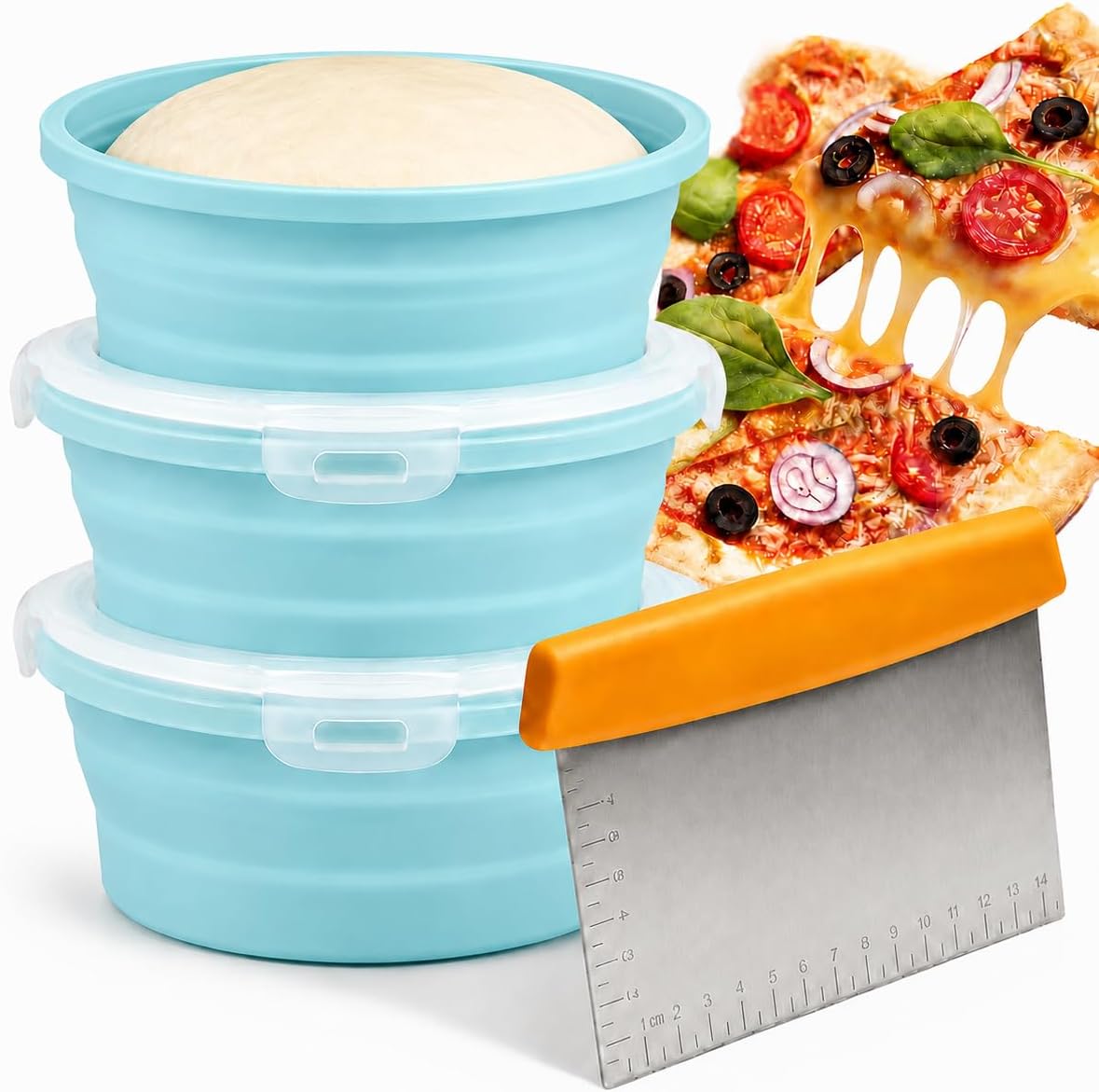
Food-grade silicone offers natural flexibility and easy release properties when handling sticky bread or pizza dough. Reinforced steel frames embedded inside flexible silicone walls add crucial structural stability, preventing the container from sagging, bowing, or buckling when filled with heavy dough portions. This combination ensures long-term durability during frequent kitchen use while remaining safe for direct food contact.
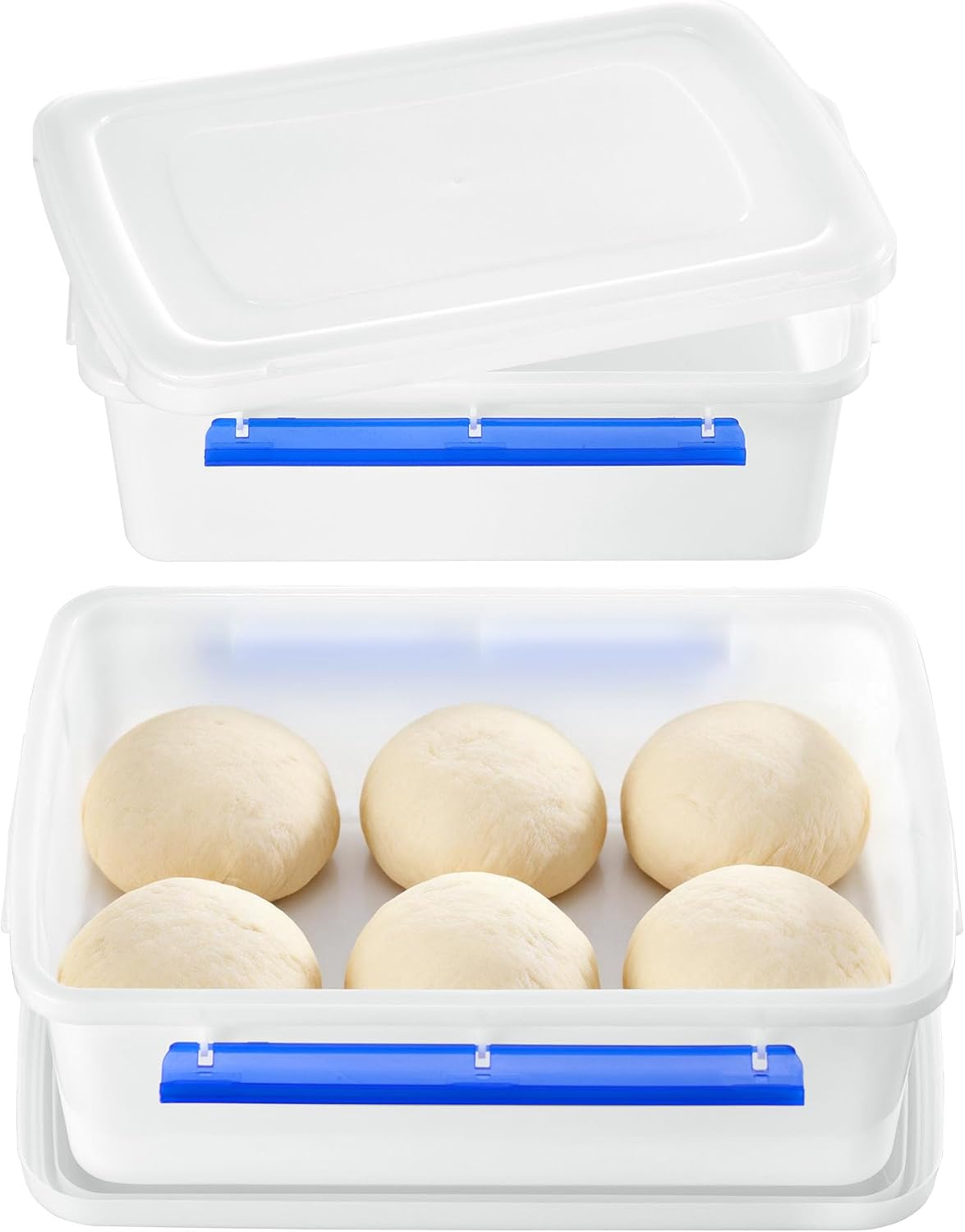
Traditional plastic options provide rigid stacking stability and firm transport security but lack collapsible space-saving features. Consider how often you move your proofing vessels and whether you prefer flexible walls or rigid trays for your daily kitchen routine. Evaluating material characteristics helps you choose a product that withstands regular cleaning cycles without degrading over time.
Airtight Seals and Moisture Control
Maintaining proper humidity prevents your ball of pizza dough from forming an undesirable dry crust on the surface during extended fermentation cycles. Airtight lids lock in internal moisture effectively while blocking external refrigerator odors from altering your dough's delicate flavor profile. Selecting vessels with secure closures ensures consistent environmental control throughout the entire resting phase.
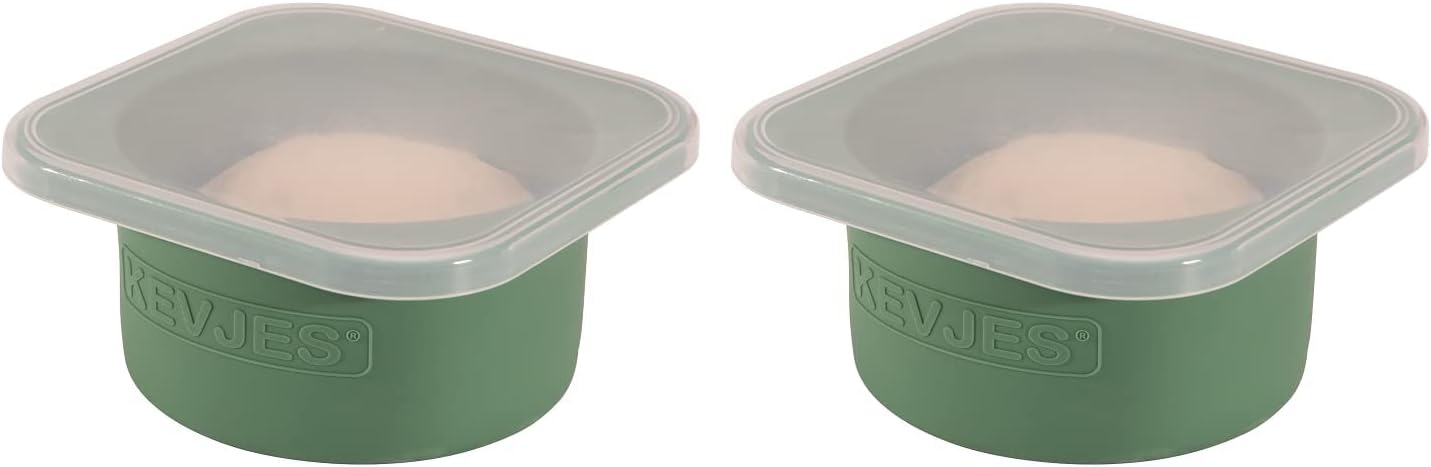
Clear lids offer the added advantage of letting you monitor rising progress visually without breaking the seal or releasing accumulated heat. Snap-fit or clip-on closures secure the cover firmly during active proofing stages, stopping rising dough from pushing the top open prematurely. Prioritizing effective sealing mechanisms guarantees reliable results across multiple baking sessions.
Storage Efficiency and Collapsible Designs
Kitchen storage space is often at a premium, making collapsible silicone containers an exceptionally smart choice for compact home setups. These versatile boxes fold down flat when empty, significantly reducing their vertical height inside crowded kitchen cabinets and storage drawers. This collapsible nature allows you to own multiple proofing vessels without sacrificing valuable storage footprint.
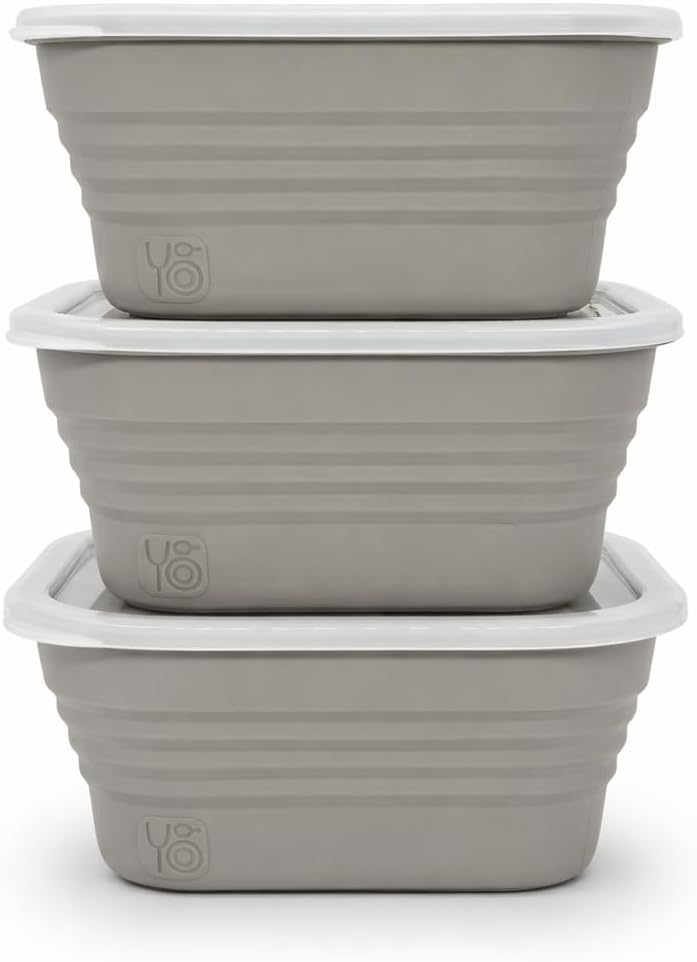
Nestable designs and stackable configurations maximize vertical refrigerator space when you are proofing several dough portions simultaneously. Carefully assess your cabinet layout and shelf spacing to determine whether folding mechanisms or rigid nesting features provide the best everyday convenience for your busy home kitchen. Proper organization keeps your baking gear accessible and tidy.
Cleanup and Maintenance Requirements
Dishwasher-safe construction simplifies post-baking cleanup, saving you valuable time after preparing sticky artisan bread or pizza dough recipes. Smooth interior surfaces prevent wet dough residue from clinging stubbornly to container walls during the washing process, reducing scrubbing effort. Choosing materials that resist staining and residue buildup ensures effortless upkeep after every single baking session.
Some silicone bases withstand vigorous dishwasher cycles while manufacturers often recommend hand washing clear lids separately to preserve seal longevity and surface clarity. Following specific product care guidelines protects your purchase and maintains reliable container performance over years of frequent use. Proper maintenance preserves both material flexibility and airtight integrity across countless dough batches.
Tracking Fermentation and Extra Tools
Monitoring fermentation progress accurately helps you determine the exact moment your ball of pizza dough reaches peak readiness for shaping. Containers featuring built-in interior volume markings take the guesswork out of tracking dough expansion during resting phases. Being able to observe rise progress clearly ensures your crust achieves optimal texture and air distribution before baking.
Included accessories like dedicated dough cutters add practical value by assisting with precise portioning right out of the box. Evaluate whether bundled tools, measurement scales, or transparent lids enhance your specific baking workflow and preparation style. Choosing a set with thoughtful additions delivers greater versatility for homemade pizza nights and sourdough baking projects alike.
Frequently asked questions
How much dough fits into a standard proofing container?
Container capacities vary depending on the specific model and design you choose for your kitchen. Smaller individual vessels around 500ml are typically designed to hold 180 to 250 gram dough balls, which work well for personal ten to twelve-inch pizzas. Larger containers holding 1200ml can easily accommodate 400g up to 700g portions, providing plenty of room for family-sized artisan pizzas or large sourdough loaves to expand fully without pushing lids open prematurely.
Are silicone dough proofing boxes safe for the dishwasher?
Most silicone bases and plastic trays included in these sets are rated as dishwasher safe for easy cleaning after messy baking sessions. However, manufacturers frequently suggest hand washing clear lids separately to prevent warping and preserve the integrity of airtight seals over time. Always review specific product care instructions provided by the maker to ensure your containers maintain their flexibility, structural rigidity, and clear visibility through years of regular kitchen use.
Why is an airtight lid important when proofing pizza dough?
An airtight lid plays a crucial role by locking in ambient moisture, which stops your ball of pizza dough from developing a hard, dry skin on the outer surface. It also shields sensitive fermenting dough from absorbing unwanted refrigerator odors that could otherwise compromise the final flavor profile. Furthermore, clear lids let you visually inspect rising progress and fermentation bubbles without repeatedly opening the container and releasing heat.
What are the benefits of collapsible proofing containers?
Collapsible proofing containers offer an excellent space-saving solution for home bakers who struggle with crowded kitchen cabinets and limited storage space. By allowing the silicone walls to fold down flat when not in use, these boxes reduce their height significantly compared to rigid plastic alternatives. When you are ready to bake, they expand effortlessly to hold full-sized dough portions, combining large-capacity performance with ultra-compact storage convenience during off-seasons.
Do I need a steel-reinforced frame in a silicone dough box?
A steel-reinforced frame embedded inside flexible silicone walls provides vital structural stability when moving heavy, filled containers around the kitchen. While pure silicone offers great non-stick release and easy cleaning, it can sometimes feel floppy or prone to sagging when filled with a heavy ball of pizza dough. The added metal reinforcement prevents the sides from bowing outward, making stacking and transporting multiple containers much more secure and stable.