Appliances · Buying Guide
Best Banana Bread Baking Pan Selections for Every Kitchen
Baking a delicious loaf of homemade banana bread relies heavily on choosing the right baking pan for your specific kitchen setup, desired portion sizes, and oven capacity. Whether you prefer traditional steel, heavy-duty carbon steel, or versatile glass dishes equipped with secure storage lids, selecting appropriate bakeware ensures even heating and reliable food release for every recipe.
Different materials offer unique functional advantages, ranging from specialized nonstick coatings to high temperature tolerances and transparent walls for visual monitoring. Understanding these distinct design differences helps home bakers achieve golden crusts, moist interior textures, and easy cleanup without guessing about overall performance, daily suitability, or specific recipe requirements.
As an Amazon Associate, StacyLaughs earns from qualifying purchases.
Buying guide
Material Selection for Loaf Pans
Choosing the correct material for your loaf pan dictates how heat transfers to your banana bread batter. Steel, aluminized steel, carbon steel, and borosilicate glass each behave differently inside a hot oven. Metal pans generally conduct heat rapidly, promoting dark crust development and quick browning. Glass dishes retain heat longer and require temperature adjustments, but they offer the distinct advantage of letting you monitor side browning visually through transparent walls during the baking cycle.
Consider your personal baking habits when weighing these material options. If you prioritize durability and traditional crusts, heavy-gauge steel or commercial aluminized options serve well. Conversely, if you enjoy storing leftovers directly in the baking vessel with a secure lid, a glass pan provides multi-purpose utility. Matching the material to your preferred workflow ensures consistent loaves without unexpected surprises regarding baking times or cleaning requirements.
Pan Dimensions and Capacity Standards
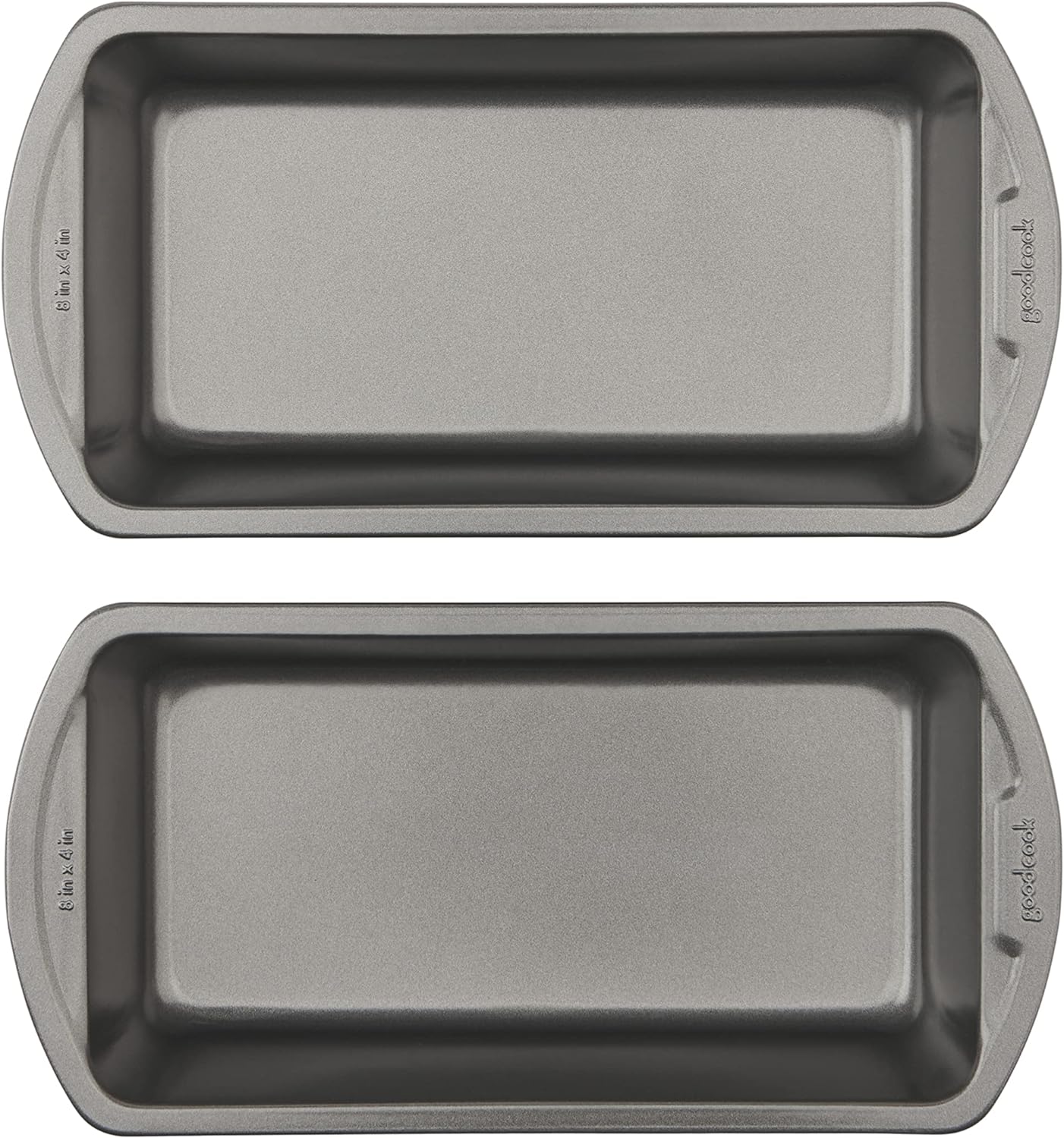
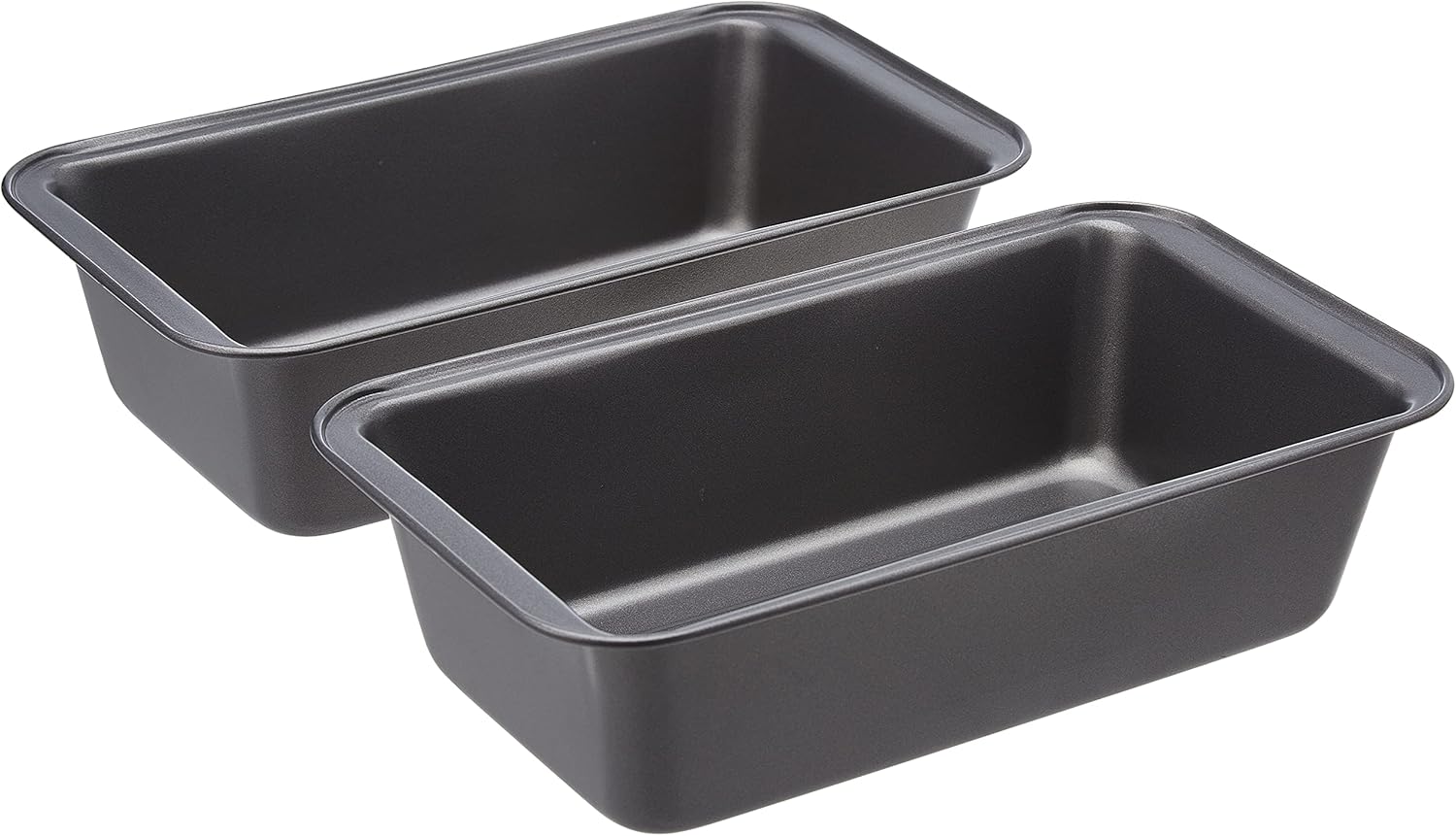
Standard loaf pans typically measure around 9 x 5 inches, which accommodates traditional bread recipes and standard batter volumes comfortably. Smaller 8 x 4-inch sizes work well for scaled-down portions, quick breads, or compact toaster ovens, but they risk overflowing if filled with a full-sized recipe. Understanding your typical batch size prevents batter spillage and ensures your banana bread rises evenly without spilling over the rim during expansion.
Depth also plays a critical role in how the center of your loaf bakes. Deeper pans require heat to penetrate further into the dense crumb, making material selection crucial for avoiding raw centers. Checking your recipe requirements against the pan dimensions guarantees proper headroom and structural stability. Taking time to measure your oven interior and recipe yield avoids frustrating baking failures.
Nonstick Coatings and Food Release
Nonstick coatings simplify the process of removing banana bread from the pan without leaving behind sticky crumbs or broken slices. Many modern steel and carbon steel pans incorporate specialized silicone or PTFE-free coatings to ensure effortless release. These finishes allow you to invert your baked loaf smoothly onto a wire cooling rack. However, maintaining these delicate surfaces often requires avoiding harsh metal utensils unless explicitly rated as metal-safe by the manufacturer.
Uncoated glass or specialized metal surfaces rely on traditional greasing methods like butter or parchment paper to prevent sticking. While nonstick options save preparation time, they demand careful cleaning to preserve their slick properties over years of use. Evaluating whether you prefer coated convenience or traditional uncoated durability helps tailor your bakeware collection to your cleaning preferences and baking frequency.
Temperature Tolerances and Oven Safety
Every baking pan has a designated upper temperature rating specified by the manufacturer, typically ranging from 428 to 500 degrees Fahrenheit. Exceeding these thermal limits can warp metal pans or degrade specialized nonstick coatings. Glass bakeware handles high heat exceptionally well but requires caution regarding sudden thermal shock. Knowing your oven actual operating temperature and respecting the pan limits prevents accidental warping, discoloration, or coating breakdown during extended baking sessions.
Recipes rarely exceed standard bread-baking temperatures, but specialty uses like high-heat roasting require checking manufacturer specifications closely. Additionally, matching your pan to your specific oven type—whether conventional, convection, or toaster oven—ensures even heat distribution. Paying attention to temperature boundaries protects your investment in quality bakeware and promotes consistent, predictable results across all your favorite homemade baked goods.
Cleaning and Maintenance Guidelines
Proper cleaning and maintenance extend the lifespan of your banana bread pan significantly. While some steel pans claim dishwasher safety, manufacturers frequently recommend hand washing with mild soap to preserve nonstick coatings and prevent premature wear. Glass pans generally withstand automatic dishwashers easily, though plastic storage lids often require top-rack placement or manual washing. Establishing a gentle cleaning routine prevents abrasive scrubbing from scratching delicate interior finishes over time.
Dried banana bread batter can adhere stubbornly to textured surfaces or corners, making prompt soaking beneficial. Avoid using harsh steel wool or abrasive scouring pads on coated metal pans to prevent stripping the nonstick layer. Following manufacturer care instructions guarantees that your bakeware remains reliable, hygienic, and visually appealing for countless future baking projects in your home kitchen.
Storage Versatility and Included Lids
Bakeware featuring included storage lids offers exceptional convenience for households that frequently save leftovers or transport baked goods. Glass pans equipped with secure, BPA-free plastic lids allow you to transition a cooled loaf straight from the counter into the refrigerator without needing plastic wrap. This airtight seal helps lock in moisture, keeping your banana bread fresh for a longer duration compared to uncovered storage methods on an open plate.
While metal loaf pans rarely come with matching lids, their stackable designs save valuable cabinet space. Assess whether storage lids align with your daily food preparation habits or if you prefer traditional pans that store easily in tight kitchen cupboards. Weighing the benefits of multi-functional lidded dishes against standard metal pans ensures your kitchen storage remains organized and practical.
Frequently asked questions
What size baking pan is best for standard banana bread recipes?
Standard banana bread recipes are typically formulated for a 9 x 5-inch loaf pan, which provides enough volume to prevent overflow while ensuring the batter bakes evenly. If you use a smaller 8 x 4-inch pan, you may need to reduce the total batter amount or bake a secondary mini loaf to avoid a messy spill in your oven. Always check your recipe's specified dimensions before starting to ensure the pan capacity matches the ingredient volume.
Should I grease a nonstick banana bread baking pan?
Even when using a pan equipped with a quality nonstick coating, applying a light layer of butter, oil, or baking spray is often recommended to guarantee flawless food release. While nonstick surfaces significantly reduce sticking, dense sweet breads containing sugar and mashed bananas can occasionally adhere to corners or edges. Taking this extra precaution ensures your finished loaf slides out cleanly onto a cooling rack without breaking apart.
Can I bake banana bread in a glass loaf pan?
Yes, borosilicate glass loaf pans work wonderfully for baking banana bread while allowing you to monitor crust browning directly from the sides. However, glass retains heat differently than traditional metal, so many baking guidelines recommend lowering the standard oven temperature by 25 degrees Fahrenheit to prevent over-browning or dry edges. Glass pans also offer the added benefit of safe refrigerator and freezer storage when paired with a tight-fitting lid.
Why is hand washing recommended for many metal loaf pans?
Hand washing is frequently recommended for metal and aluminized steel loaf pans because harsh automatic dishwasher detergents and high water temperatures can degrade protective nonstick coatings over time. Manual washing with mild dish soap and a soft sponge protects the delicate finish from scratching and warping, ensuring the pan maintains its easy-release properties for years. While some steel pans claim dishwasher safety, gentle manual care always extends the operational lifespan of coated bakeware.
How do I prevent my banana bread from sticking to the pan?
Preventing banana bread from sticking involves a combination of proper pan preparation, quality coatings, and correct cooling times. Applying a thin coat of butter or using parchment paper sling creates an effective barrier against sugary batters. Additionally, allowing the baked loaf to rest in the pan for ten minutes before attempting to invert it helps the structure firm up, reducing the likelihood of crumbling or tearing upon release.