Appliances · Buying Guide
Best Banana Bread Cake Pan Options for Every Kitchen Style
Baking a delicious loaf of banana bread, sweet cake, or savory meatloaf requires a reliable pan that ensures even heat distribution, structural durability, and effortless food release. Choosing the right baking vessel depends entirely on your preferred material, daily capacity needs, and preferred cleanup routine in the busy home kitchen environment.
Whether you prefer heavy-duty carbon steel, classic cast aluminum, or reinforced aluminized steel equipped with specialized nonstick coatings, various market options cater directly to home bakers everywhere. Exploring these distinct design features helps match your regular baking habits with a pan built for lasting kitchen performance and consistent results over time.
As an Amazon Associate, StacyLaughs earns from qualifying purchases.
Buying guide
Material Composition
Selecting the right material dictates how heat travels to your banana bread batter. Carbon steel and aluminized steel offer exceptional durability, resisting warping over years of frequent oven use. Cast aluminum provides superior thermal conductivity, ensuring precise browning for intricate cake designs. Each metal brings distinct physical properties that influence baking speed and overall structural rigidity.
Consider how each metal interacts with your typical oven temperatures. Steel pans frequently support heat ratings up to 450 degrees Fahrenheit, while certain aluminum designs max out at 400 degrees. Heavy-gauge builds prevent flexing when loaded with dense batters, maintaining uniform loaf shapes. Reviewing these construction specifications ensures your chosen bakeware withstands high thermal stress without degrading over time.
Nonstick Coating Safety
Nonstick coatings play a critical role in ensuring your banana bread releases cleanly without sticking to the pan walls. Many modern pans utilize advanced silicone-infused layers or specialized formulations completely free of harmful chemicals like PTFE, PFOA, and PFAS. These surfaces facilitate effortless food release, allowing you to invert your baked goods smoothly. Prioritizing certified safe coatings protects your household while maintaining seamless cleanup routines.
Evaluating the durability of a nonstick layer prevents premature scratching from everyday kitchen utensils. Double-coated carbon steel options provide enhanced resistance against surface wear during active baking schedules. Always check the manufacturer specifications regarding chemical compositions to align with your personal safety preferences. Selecting a robust nonstick barrier ensures long-term usability without sacrificing the structural presentation of your favorite homemade cakes and breads.
Capacity and Dimensions
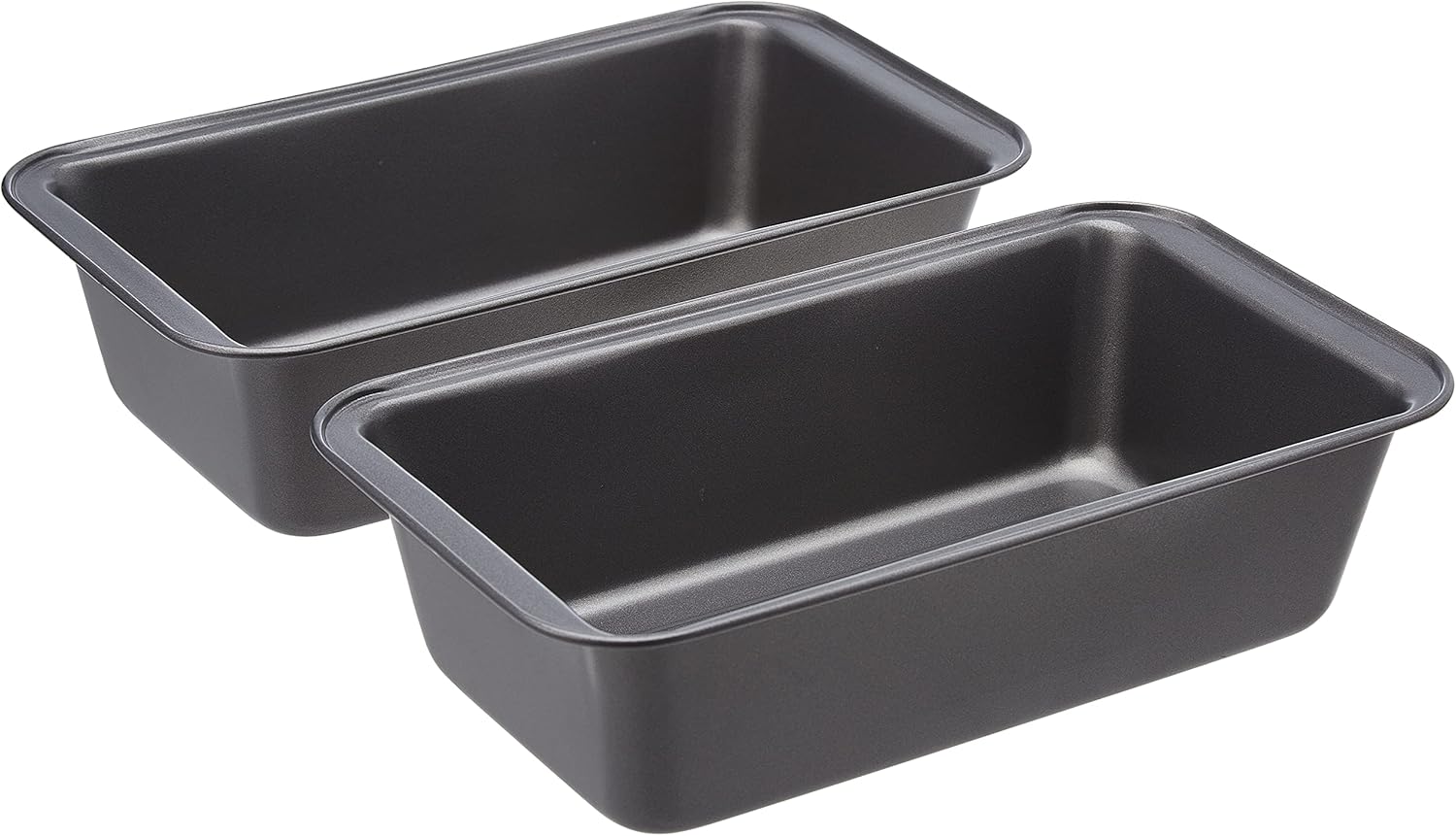
Evaluating pan capacity ensures your favorite banana bread recipe fits comfortably without overflowing during the rise. Standard options often hold around six to seven and a half cups of batter, measuring approximately nine by five inches. Choosing the correct volume prevents messy spills in your oven and guarantees even vertical expansion. Accurate sizing directly affects baking times and crumb structure across different recipes.
Physical dimensions also dictate how easily the pan fits into your kitchen storage cabinets or toaster oven. Wider pans featuring extended handles require additional clearance space compared to standard compact designs. Reviewing exterior measurements helps prevent storage frustrations in crowded kitchens. Matching the pan dimensions to your typical batch sizes ensures optimal baking results for every household meal.
Heat Distribution and Airflow
Consistent heat distribution is essential for achieving a golden-brown crust and a fully cooked center in dense cakes. Heavy-gauge steel constructions absorb and transfer thermal energy uniformly throughout the baking cycle. Some advanced commercial-grade pans incorporate unique corrugated surface designs that promote optimal air circulation underneath the dough. These engineering details prevent hot spots and eliminate uneven baking flaws across your loaves.
Superior thermal conductivity in materials like cast aluminum allows for controlled baking environments, reducing the risk of burnt edges. When heat travels evenly across the base and sidewalls, your banana bread rises predictably and maintains a uniform texture. Analyzing how a pan handles thermal energy guides you toward professional-quality results at home. Prioritize designs engineered specifically for balanced heat flow during prolonged baking sessions.
Cleaning and Maintenance
Establishing a proper cleaning routine preserves the nonstick integrity and structural lifespan of your baking pans. While several steel pans feature dishwasher safe designations, manufacturers frequently recommend manual hand washing to prevent premature coating degradation. Using soft sponges and mild soap protects delicate nonstick surfaces from abrasive scratches. Adhering to these maintenance guidelines keeps your bakeware performing reliably through years of frequent culinary use.
Understanding care instructions helps you balance daily convenience with long-term durability requirements. Dishwasher safe options save time after large baking sessions, whereas hand-wash-only models require a bit of manual effort. Reviewing product care specifications before purchasing ensures your cleaning habits align with the manufacturer recommendations. Proper upkeep prevents food residue buildup and maintains the pristine appearance of your kitchen investment.
Handle Design and Ergonomics
Ergonomic handle design significantly improves kitchen safety when transferring hot, heavy pans into deep ovens. Extended handles provide secure gripping points, reducing the risk of slips while wearing bulky oven mitts. Pans lacking pronounced grips require extra caution during placement and removal steps. Evaluating handle configurations ensures you can maneuver loaded batter safely without awkward hand placement.
Comfortable handling features contribute directly to overall confidence during busy baking workflows. Wide, extended rims offer stable leverage when flipping or tilting the pan to release finished loaves. Consider how handle placement affects your ability to grip the cookware securely from different angles. Prioritizing ergonomic details transforms routine baking tasks into safer, more manageable kitchen experiences every time you bake.
Frequently asked questions
Can I use a standard loaf pan for baking banana bread and cakes?
Yes, standard nine by five-inch loaf pans are exceptionally well-suited for baking traditional banana bread, pound cakes, and sweet quick breads. Their depth and rectangular shape accommodate dense batters while allowing proper vertical rise during the baking process. Many versatile pans also support savory items like meatloaf or casseroles, making them essential tools in home kitchens. Selecting a pan with even heat distribution ensures the center cooks thoroughly without burning the exterior crust.
What is the benefit of a corrugated surface on a baking pan?
A corrugated surface design features textured ridges that facilitate enhanced air circulation underneath the dough during the baking cycle. This increased airflow promotes even browning across the bottom of your loaf and helps prevent the batter from sticking. Combined with specialized nonstick silicone coatings, corrugated patterns allow baked goods to release quickly and cleanly without tearing. This engineering detail supports professional baking results for both sweet cakes and savory breads.
Are nonstick loaf pans safe from harmful chemicals?
Many modern nonstick loaf pans feature advanced silicone-infused coatings or specialized formulations that are explicitly manufactured without harmful chemicals such as PTFE, PFOA, and PFAS. These safe nonstick barriers provide effortless food release while maintaining food safety standards during high-temperature baking up to 450 degrees Fahrenheit. Always review the specific product evidence and manufacturer details to confirm the chemical composition of the nonstick coating before making a purchase decision for your kitchen.
Should I hand wash my nonstick baking pans or use the dishwasher?
While several nonstick baking pans carry official dishwasher safe designations for added convenience, many manufacturers explicitly recommend manual hand washing to extend the lifespan of the nonstick coating. Hand washing with a soft sponge and mild dish soap prevents abrasive detergents and high-pressure water jets from wearing down the protective surface prematurely. Following the manufacturer care guidelines ensures your bakeware maintains its scratch-resistant properties and reliable release performance over years of regular use.
How do I choose between carbon steel, aluminized steel, and cast aluminum pans?
Choosing between carbon steel, aluminized steel, and cast aluminum depends on your specific baking priorities and recipe requirements. Carbon steel and heavy-gauge aluminized steel offer exceptional durability, commercial-grade strength, and high temperature tolerances up to 450 degrees Fahrenheit. On the other hand, cast aluminum provides superior thermal conductivity for intricate fluted designs and controlled browning, though it usually features a lower maximum temperature rating. Assess your preferred recipes and maintenance habits to find the ideal material match.