Appliances · Buying Guide
Best Banana Bread Loaf Pan Options for Even Baking
Baking a delicious loaf of homemade banana bread requires the right baking equipment to ensure dense batter cooks thoroughly while the exterior develops an even golden crust. Selecting a proper pan directly influences how heat moves through moist ingredients, preventing raw spots in the middle of your favorite quick breads, pound cakes, and savory meatloaves.
Different pan materials, ranging from traditional carbon steel and heavy-duty aluminized steel to transparent borosilicate glass options equipped with matching storage lids, offer distinct advantages for home bakers. Examining specific construction details, surface coatings, and care requirements helps you match a baking dish to your specific baking habits and daily kitchen cleaning routines for years of reliable use.
As an Amazon Associate, StacyLaughs earns from qualifying purchases.
Buying guide
Material Selection for Loaf Pans
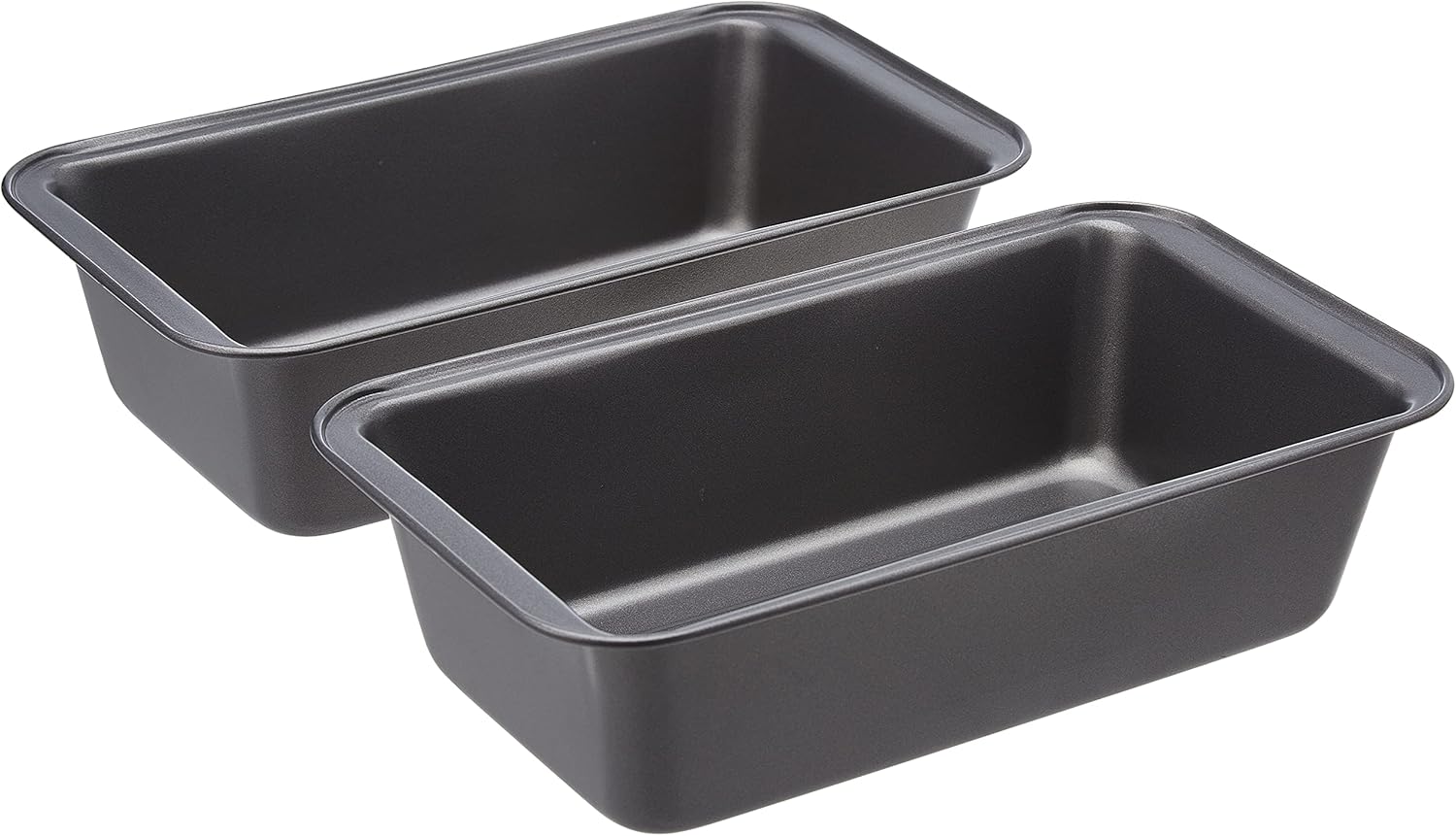
Choosing the correct material for your loaf pan directly influences how heat transfers to dense batters like banana bread or meatloaf. Steel and carbon steel options conduct thermal energy quickly, promoting a dark, crisp crust and rapid center rising. Aluminized steel combines commercial-grade strength with enhanced heat distribution properties to prevent hot spots across your quick breads and cakes.
Glass pans offer a completely different baking experience by retaining thermal energy longer and allowing visual monitoring through transparent walls. Selecting your material depends heavily on whether you prefer metal surface crispness or the heavy, slow-heating nature of glass dishes that double as convenient food storage containers in busy household kitchens.
Nonstick Coatings and Food Release
Nonstick coatings play a vital role in ensuring your baked goods slide smoothly out of the metal or steel pan without tearing or leaving delicious crumbs behind. Many modern pans feature specialized PFOA, PFAS, and silicone-based surfaces that prioritize chemical safety while still providing dependable food release performance for sticky banana bread and cake batters.
Maintaining these delicate nonstick coatings usually requires gentle hand washing with soft sponges rather than aggressive metal scrubbing or abrasive automatic dishwasher cycles. Evaluating the coating type helps you balance easy slicing at the dinner table against long-term durability requirements for your frequent daily baking tasks in the busy household kitchen.
Understanding Pan Dimensions and Capacity
Standard loaf pans typically measure around nine by five inches, providing an ideal volume for standard quick bread recipes, pound cakes, and savory meatloaves for your family. Checking exact length, width, and depth dimensions ensures that your batter fills the interior properly without spilling over the top edges during the active baking rise inside the hot kitchen oven.
Capacity metrics also dictate how much ingredient volume a pan can safely hold when expanding under high heat. Matching your favorite recipe batch sizes to the correct pan capacity prevents underfilled baking dishes or messy oven overflows that create extra cleaning chores after dinner is completely finished.
Cleaning and Maintenance Requirements
Bakeware maintenance practices vary significantly depending on whether you choose traditional steel, carbon steel, aluminized steel, or borosilicate glass for your home kitchen collection. While some metal and glass options permit automatic dishwasher use, manufacturers frequently recommend gentle hand washing with mild soap to preserve sensitive surface coatings and extend overall product longevity for years.
Understanding these care guidelines helps you avoid damaging delicate nonstick finishes or specialized plastic storage lids over years of regular household baking use. Selecting a loaf pan that matches your personal willingness to hand wash dishes versus loading an automatic dishwasher ensures lasting kitchen satisfaction without daily cleaning frustration.
Temperature Limits and Thermal Performance
Every loaf pan features specific upper temperature limits determined by its material composition and construction type. Steel and carbon steel options typically handle standard baking temperatures safely, whereas heavy borosilicate glass can withstand higher heat thresholds up to five hundred degrees Fahrenheit in preheated kitchen ovens for maximum versatility. Knowing these limits keeps your bakeware safe.
Glass baking dishes also require lowering traditional oven temperatures slightly to achieve even baking results without scorching sensitive sweet batters or quick breads. Reviewing these thermal limits prevents material warping, glass cracking, or surface degradation during high-heat cooking and baking sessions at home throughout all your favorite recipes.
Storage and Versatility Features
Some modern loaf pans come equipped with matching storage lids, turning a standard baking dish into a convenient storage container for leftover banana bread or savory meatloaf. This valuable feature eliminates the need for disposable plastic wrap or aluminum foil when moving baked goods straight from the kitchen counter to the refrigerator safely every single time.
Other pans focus purely on baking performance with specialized textures like corrugated metal surfaces that enhance air circulation beneath the loaf for uniform results. Evaluating whether you prioritize multi-use storage lids or optimized baking textures helps narrow down your ideal kitchen purchase decisions for long-term use at home successfully today.
Frequently asked questions
Do I need to grease a nonstick loaf pan when baking banana bread?
While nonstick loaf pans feature specialized coatings designed to promote easy food release without sticking, many bakers still prefer applying a light layer of butter, oil, or cooking spray as an extra precaution. Banana bread batter contains sugar and moisture that can occasionally grip the surface if baked at high temperatures or left in the pan too long. Following specific manufacturer guidance for your particular steel or carbon steel pan helps determine whether light greasing is beneficial for your recipe.
Can I use a glass loaf pan instead of a metal pan for my recipes?
Yes, you can use a borosilicate glass loaf pan instead of metal, but you must account for important thermal differences during the baking process. Glass retains heat much longer than metal and tends to conduct thermal energy differently, which usually requires lowering your oven temperature by twenty-five degrees Fahrenheit to prevent over-browning or burning the edges of your banana bread. Glass also allows you to visually monitor the sides of your baking loaf easily.
Are dishwasher-safe loaf pans better than hand-wash-only pans?
Dishwasher-safe loaf pans offer undeniable convenience for quick cleanup after baking sessions, eliminating the need for manual scrubbing in the sink. However, many manufacturers recommend hand washing even dishwasher-safe pans to preserve the integrity of sensitive nonstick coatings over years of heavy use. Hand washing prevents harsh automatic dishwasher detergents from degrading specialized silicone or fluoropolymer surfaces prematurely, helping your bakeware maintain its smooth release performance for a much longer lifespan.
What size is considered standard for baking a loaf of bread?
The standard size for most home baking loaf pans measures approximately nine by five inches, providing an ideal volume and depth for traditional quick breads, yeast breads, and meatloaves. This dimension accommodates standard batter quantities without risking messy overflows or underfilled dishes. When checking product specifications, you may encounter slight variations like nine-and-a-half by five inches, which also fit standard household recipes while offering slightly more capacity for larger baking batches.
How should I clean and maintain my carbon steel loaf pan?
Maintaining a carbon steel loaf pan generally involves washing the dish by hand using warm water, mild dish soap, and a soft sponge to protect the nonstick surface from scratches. Avoid using abrasive scouring pads or harsh metal utensils that can damage the protective coating and compromise food release. Thoroughly drying the pan immediately after washing prevents moisture accumulation, ensuring your bakeware remains warp-resistant and ready for your next batch of homemade banana bread.