Appliances · Buying Guide
Best Basket for Sourdough Bread Choices for Artisan Baking

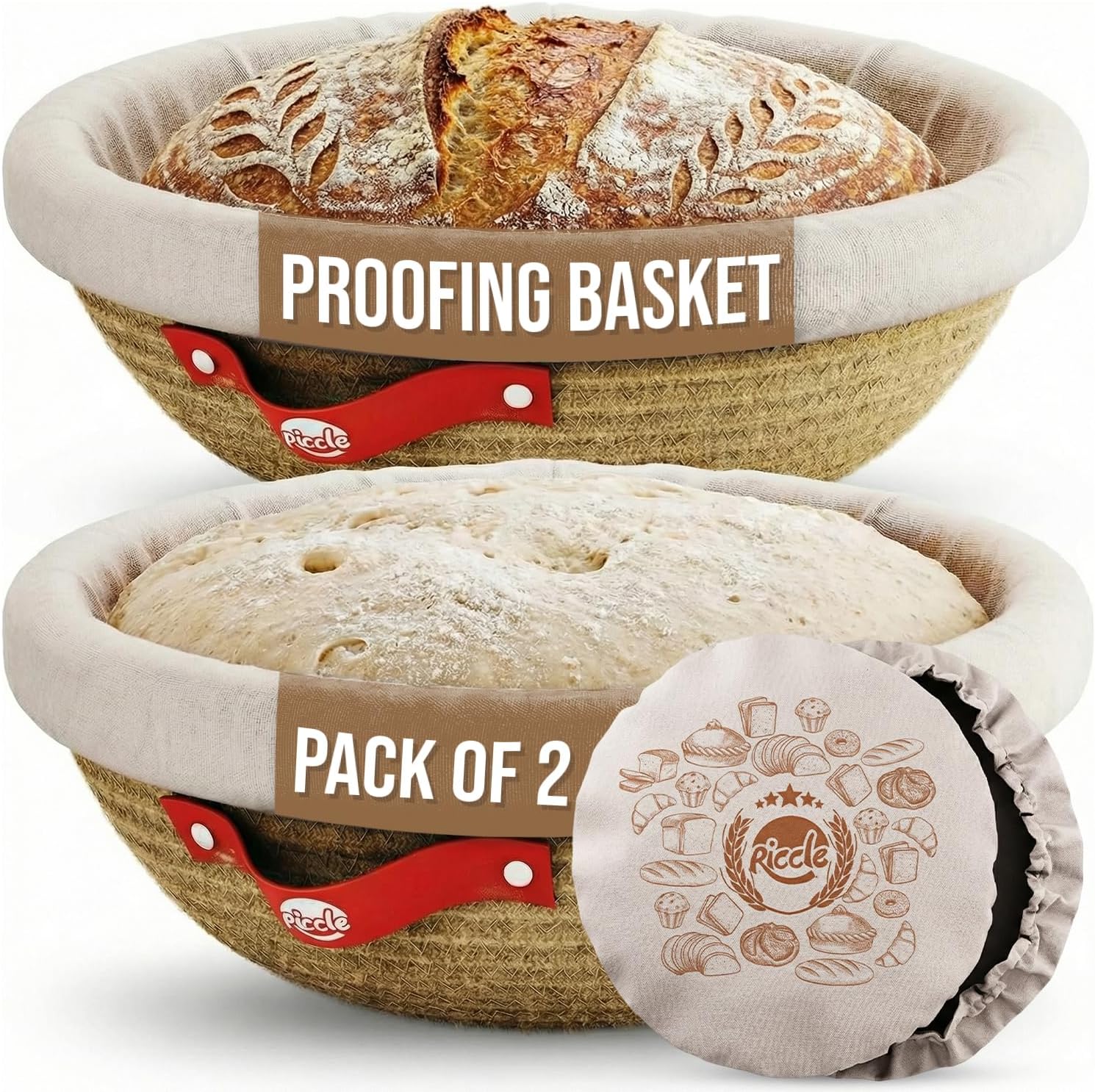
Braking traditional artisan loaves at home requires proper support during the final rise to achieve ideal crust patterns and structural integrity. A quality basket for sourdough bread provides the necessary breathable environment while shaping your dough into classic boules or batards. Whether you prefer traditional Indonesian rattan or washable cotton alternatives, choosing the right tool transforms your kitchen routine and ensures reliable results for every baking project.
Navigating various options means looking closely at bundle contents, materials, and maintenance requirements. Some kits include essential accessories like lames and scrapers, while others focus purely on durable multi-pack baskets for handling multiple loaves simultaneously. Reviewing specific design attributes helps you select a reliable proofing companion that matches your workflow, storage space, and overall baking ambitions without unnecessary complications.
As an Amazon Associate, StacyLaughs earns from qualifying purchases.
Buying guide
Material Composition and Maintenance
Choosing between natural Indonesian rattan and breathable cotton depends heavily on your preferred cleaning routine and desired crust aesthetics. Traditional rattan provides a rigid structure that naturally imparts classic spiral patterns onto your sourdough boules, though these natural cane vessels typically require careful dry brushing and air drying rather than aggressive water submersion. Preserving the lifespan of wood materials means storing them in dry environments to prevent moisture accumulation over extended periods of regular baking.
On the other hand, fabric-based alternatives offer the distinct advantage of being fully machine washable, making post-baking cleanup exceptionally straightforward after messy dough handling sessions. You must carefully weigh how much time you wish to dedicate to equipment maintenance against whether traditional textured patterns matter for your final artisan loaf presentation. Understanding these foundational material differences ensures your selection matches your kitchen habits and long-term storage capabilities seamlessly.
Basket Shapes and Loaf Geometries
The shape of your proofing basket directly dictates the final physical geometry of your homemade bread. Round baskets support classic circular boules that fit comfortably into standard round Dutch ovens, ensuring even thermal distribution during the baking process. These round configurations work wonderfully for traditional round loaves and smaller oven setups where space inside your cooking vessel is strictly limited.
Conversely, oval proofing baskets shape elongated batards, which are ideal for sandwich slices and larger sharing portions. Many bakers choose multi-shape sets to enjoy the versatility of switching between round and oval presentations depending on the specific recipe requirements. Assessing your available baking hardware and preferred slicing styles will guide you toward the right geometric combination for your kitchen.
Sizing and Dough Capacity
Matching your recipe volume to the interior dimensions of your proofing basket prevents structural overflow or underfilled molds during the crucial rise. Most standard round baskets measure around nine inches in diameter, successfully accommodating moderate dough weights ranging from one and a half to over two pounds comfortably. Exceeding these recommended capacities can cause the dough to spill over the edges, ruining the intended structural support.
Larger ten-inch or higher-capacity oval baskets easily handle substantial dough quantities up to one point five kilograms for big family-sized baking sessions. Always verify the maximum capacity specifications before purchasing to ensure your preferred flour ratios fit securely without spilling over the rim during the overnight refrigerator rise. Proper sizing guarantees that your shaped loaves maintain optimal tension and clean profiles throughout fermentation.
Included Accessories and Bundles
Many proofing products arrive as complete kits featuring valuable accessories like fabric liners, bread lames, dough scrapers, and mixing whisks. Fabric liners offer a smoother release surface for sticky high-hydration doughs while simplifying routine cleaning tasks by preventing flour buildup directly within the cane grooves. Evaluating whether you already own these tools helps determine if an all-inclusive bundle provides practical value for your workflow.
Specialized tools like razor-sharp bread lames allow for precise surface scoring to control expansion during baking, while flexible scrapers ease bowl transfer. Purchasing a bundled set can save you from buying individual components separately, though it requires more storage room for the extra gadgets. Balancing accessory utility against cabinet clutter ensures you only invest in items you will actually use.
Storage and Practical Design Features
Kitchen storage capacity often dictates which proofing basket design best fits your home environment. Stackable round models allow multiple units to nest tightly together, conserving valuable cabinet space when your baking equipment is stored away between weekend projects. Some modern fabric alternatives feature foldable bodies and integrated hanging loops, enabling vertical storage solutions in compact kitchens.
Evaluating your available pantry or drawer room prevents overcrowding and keeps your tools easily accessible for spontaneous baking sessions. Sturdy construction details like hidden staples or reinforced weaves also ensure that frequent handling during storage and retrieval does not compromise the structural integrity of your baskets over time.
Durability and Longevity
Investing in durable bread-making equipment ensures years of reliable performance without premature cracking or fiber splintering. High-quality natural rattan cane treated with smooth polishes resists daily wear, while hidden fasteners maintain structural shape through heavy use and frequent flour dusting. Inspecting the craftsmanship of the weave ensures that loose strands will not snag your dough during transfers.
Proper post-use care, such as thorough drying and appropriate storage away from damp areas, significantly extends the operational lifespan of any proofing vessel. Selecting robust materials protects your investment and ensures consistent baking results loaf after loaf, making your sourdough routine both enjoyable and dependable for years.
Frequently asked questions
Do I need to use fabric liners with my rattan proofing basket?
Fabric liners are not strictly mandatory, as many bakers dust their rattan baskets directly with rice flour to prevent sticking and achieve classic spiral patterns. However, liners are extremely helpful when working with high-hydration doughs that tend to adhere to bare wood cane. Liners also make cleanup much easier by keeping excess flour out of the woven crevices. If you prefer a smooth crust without spiral imprints, using the included fabric liner provides a reliable non-stick barrier during proofing.
How do I clean and maintain a natural rattan bread basket?
Cleaning natural rattan requires a gentle touch to preserve the integrity of the wood fibers. After each proofing session, simply let any remaining dough dry completely, then tap the basket firmly and use a stiff-bristled brush to remove excess flour. Avoid submerging natural rattan baskets in water or putting them in a dishwasher, as excess moisture can cause warping or mold growth. Store the thoroughly dried basket in a cool, dry location until your next baking day.
What size proofing basket should I choose for standard bread recipes?
The ideal size depends primarily on your typical recipe flour weight and the capacity of your baking vessel. A standard nine-inch round basket comfortably handles dough weights between one and a half and two pounds, which fits nicely inside most conventional Dutch ovens. If you regularly bake larger batches or prefer elongated sandwich loaves, a ten-inch oval basket accommodating up to two pounds or one point five kilograms provides the necessary space and structural support.
Can I use proofing baskets for overnight refrigerator fermentation?
Yes, many home bakers utilize proofing baskets for cold retarding dough overnight in the refrigerator to develop deeper sourdough flavors. When executing cold proofing, ensure your baskets are placed in a breathable environment or covered properly to prevent the dough surface from drying out excessively. Baskets equipped with snug fabric covers or breathable liners work particularly well for overnight refrigerator storage, helping maintain the ideal moisture balance while your bread ferments slowly at colder temperatures.
What is the difference between round and oval proofing baskets?
Round and oval proofing baskets serve distinct aesthetic and functional purposes in artisan baking. Round baskets shape classic boules, which are ideal for round Dutch ovens and create symmetrical, dome-shaped loaves with balanced crust distribution. Oval baskets produce elongated batards, making them exceptionally popular for sandwich slices, sharing platters, and baking inside oblong cooking vessels. Choosing between them depends on your slicing preferences, available baking hardware, and the specific geometric presentation you want for your homemade bread.