Appliances · Buying Guide
Best Blue Plastic Mixing Bowls for Kitchen Prep
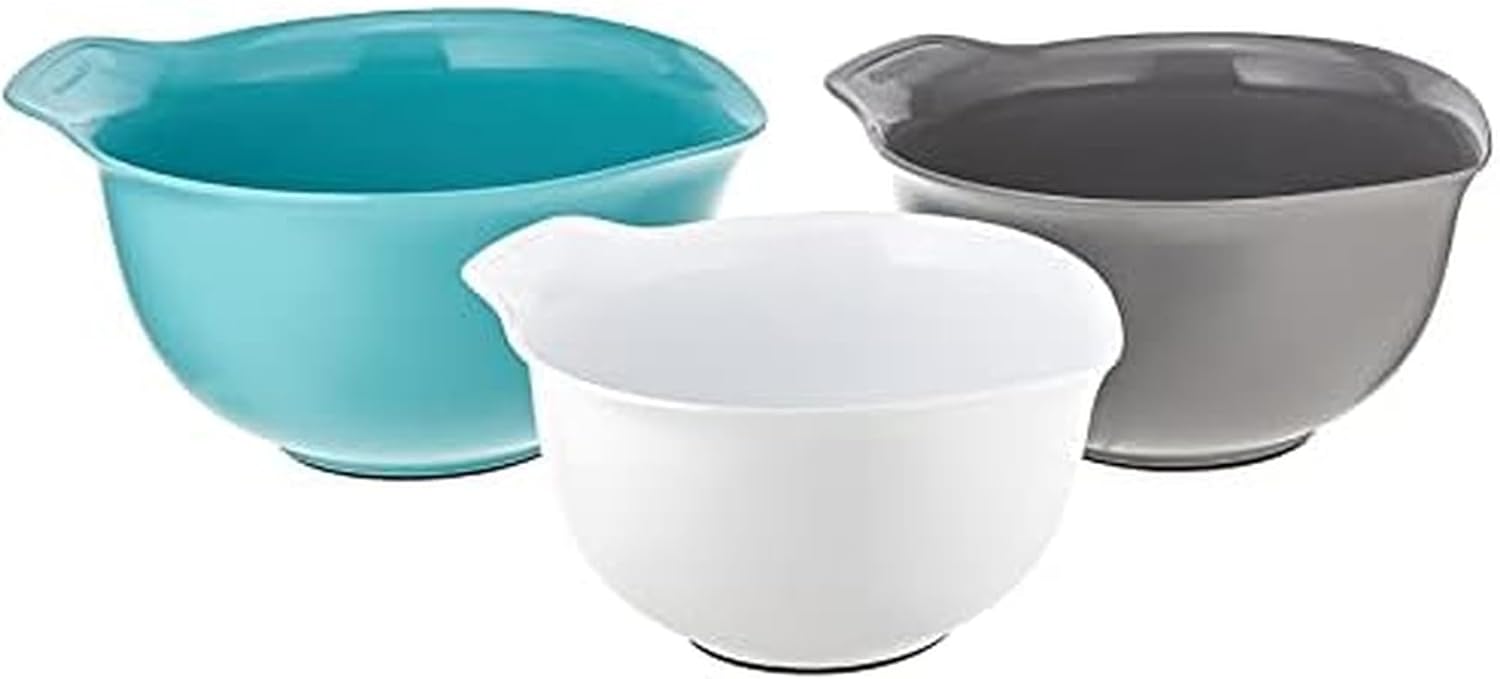
Finding the right blue plastic mixing bowl setup transforms how you handle daily kitchen tasks, ranging from whipping up fluffy cake batters to storing fresh salad greens. Plastic bowls offer a lightweight alternative to heavier glass or ceramic vessels, making them significantly more comfortable to lift and move around your countertops during busy meal preparations.
Many modern sets include convenient matching lids, secure non-slip bases, and space-saving nesting designs that simplify crowded kitchen cabinets. Whether you need a compact prep container for chopped ingredients or a large capacity bowl for mixing family-sized recipes, exploring the available options ensures you select the ideal tools for your specific cooking and baking routines.
As an Amazon Associate, StacyLaughs earns from qualifying purchases.
Buying guide
Material Quality and Safety Standards
Selecting a dependable mixing bowl begins with examining the underlying plastic material construction. High-grade plastics ensure that your containers remain structurally sound even when exposed to demanding kitchen conditions. Look for BPA-free formulations that guarantee safe contact with various food types during everyday meal preparation routines. Manufacturers often highlight food-grade attributes to give home cooks peace of mind.
Durability prevents unexpected cracking or bending under heavy use. Thicker walls withstand vigorous hand mixing and whisking without flexing awkwardly in your hands. Checking these baseline material specifications helps you invest in kitchenware that endures regular wear and tear over extended periods of active cooking and baking.
Capacity Sizing and Volume Needs
Choosing the correct bowl capacity depends entirely on your typical cooking and baking habits. Smaller vessels under two quarts work wonderfully for whisking eggs, melting butter, or holding chopped herbs during active food preparation work. Medium capacities handle standard cake batters and salad dressings with ease, preventing messy liquid overflows across your busy kitchen countertops.
Larger mixing bowls exceeding four quarts easily accommodate bulky bread doughs and massive family-sized recipes without any restrictive constraints. Assessing your frequent recipe requirements prevents you from purchasing oversized containers that clutter your workspace or tiny bowls that fail to contain your ingredients properly. Selecting a balanced multi-size set provides maximum everyday kitchen preparation flexibility.
Stability Features and Non-Slip Bases
Maintaining stability during vigorous mixing prevents frustrating spills and accidental countertop messes. Bowls equipped with specialized rubberized or textured bases stay firmly anchored while you use hand mixers, heavy whisks, or wooden spoons. This added friction dramatically reduces the physical effort required to keep the container steady during demanding baking sessions.
Without a secure base, lightweight plastic bowls can easily slide across smooth granite or laminate surfaces, creating unnecessary kitchen stress. Evaluating how a bowl anchors itself helps you choose designs that remain stationary under intense pressure. Stable containers let you focus entirely on combining ingredients rather than chasing your bowl across the counter.
Storage Lids and Airtight Preservation
Finding mixing bowls that include matching lids transforms ordinary prep vessels into versatile storage containers. Airtight seals lock in food freshness, allowing you to transition seamlessly from mixing ingredients to preserving leftovers in your refrigerator. Transparent lids provide the added convenience of letting you check contents at a glance without breaking the seal.
When evaluating lidded sets, consider whether you plan to use the containers for transporting meals or stacking them efficiently in tight refrigerator shelves. Sturdy lids prevent accidental leaks and protect food from ambient odors. Prioritizing sets with well-fitting covers eliminates the need for disposable plastic wraps during your routine weekly meal preparation tasks.
Cleaning Methods and Maintenance Rules
Proper maintenance extends the functional lifespan of your plastic kitchenware significantly. Many modern bowls offer dishwasher-safe construction, though manufacturers frequently recommend placing them on the top rack to avoid excessive thermal heat warping. Reviewing specific care instructions ensures you clean your containers properly without damaging protective coatings or specialized non-slip rubber bases.
Hand washing with warm soapy water remains a reliable cleaning method, especially when avoiding harsh abrasive sponges that might scratch smooth plastic surfaces over time. Following manufacturer guidelines prevents premature wear and keeps your bowls looking pristine. Taking a few moments to clean and dry your kitchen tools properly preserves their structural integrity for years of future baking.
Nesting Design and Cabinet Organization
Managing storage space in crowded kitchen cabinets requires smart organizational solutions. Nesting bowls fit compactly inside one another, condensing multiple container sizes into a single neat footprint on your kitchen shelf. This space-saving architecture is particularly valuable for home cooks dealing with limited storage room in their apartments or smaller kitchen layouts.
When selecting a nesting set, verify how smoothly the bowls stack and whether matching lids store easily alongside them. A well-designed nesting collection prevents cluttered cupboards and keeps your entire mixing assortment organized in one accessible location between recipes. This thoughtful layout streamlines your kitchen organization every time you prepare a fresh meal.
Frequently asked questions
Are plastic mixing bowls safe to use in the microwave?
Many plastic mixing bowls are explicitly designed to be microwave safe, allowing you to melt butter or warm ingredients directly in the container. However, you should always check the manufacturer specifications and temperature limits before exposing any bowl to high heat. Avoid using bowls over open flames or extreme heat sources not recommended by the maker. Ensuring proper compatibility protects the plastic material from warping or degrading, preserving the safety and longevity of your kitchenware during everyday food preparation routines.
How do I prevent my mixing bowl from sliding on the counter?
You can prevent mixing bowls from sliding by choosing models equipped with integrated rubberized or non-slip base layers that grip smooth countertops securely. If your chosen bowl lacks a built-in grip feature, placing a damp cloth or a specialized silicone mat underneath the container provides extra traction during vigorous stirring. Maintaining a stable surface drastically reduces arm fatigue and minimizes the risk of accidental spills while you combine heavy doughs, whisk eggs, or mix thick cake batters.
What is the best way to clean plastic mixing bowls without scratching them?
Cleaning plastic mixing bowls safely involves washing them by hand using warm water and mild dish soap with a soft sponge or cloth. Always avoid harsh abrasive scrubbers or steel wool, as these aggressive tools can easily scratch the smooth plastic surface and dull the finish. If your bowls are labeled as dishwasher safe, place them securely on the top rack away from heating elements to prevent thermal warping. Proper washing preserves both appearance and long-term durability.
Do plastic mixing bowls absorb food odors and stains over time?
High-grade BPA-free plastic mixing bowls are engineered to resist lingering food odors and stubborn stains during normal kitchen use. Washing your bowls promptly after preparing strongly colored or aromatic ingredients like tomato sauce or garlic dressings helps maintain a clean, fresh surface. If mild odors do occur, washing the containers thoroughly in warm soapy water or running them through a dishwasher cycle usually restores their neutral state, keeping your mixing equipment ready for the next recipe.
Why are nesting bowls recommended for small kitchens?
Nesting bowls are highly recommended for smaller kitchens because their graded sizing allows smaller containers to fit completely inside the largest bowl. This compact stacking design drastically reduces the storage footprint required in your cabinets, leaving more room for other essential cookware. Instead of scattering various bowls across multiple shelves, a nesting set keeps your entire collection neatly consolidated in one accessible spot, maximizing both spatial efficiency and overall kitchen organization between cooking sessions.