Appliances · Buying Guide
Best Borosilicate Glass Measuring Cup Choices for Your Kitchen
Selecting a reliable borosilicate glass measuring cup helps streamline baking, cooking, and daily liquid preparation tasks in any home kitchen. These glass containers offer distinct benefits over traditional plastics and standard glass, handling temperature shifts while displaying clear measurement markings for various liquid and dry ingredients.
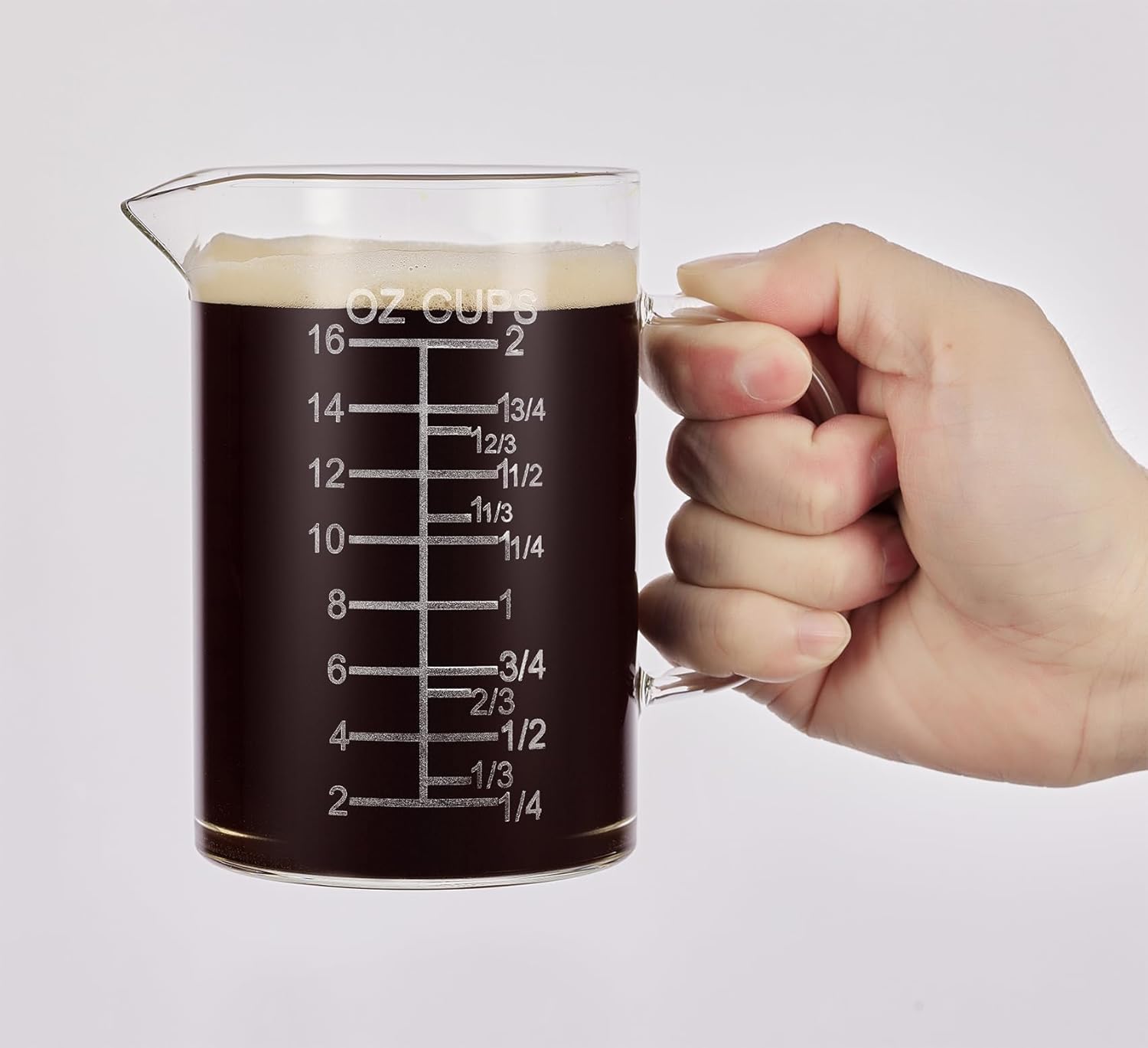
Whether you need a compact two-cup vessel for daily coffee prep or a larger four-cup capacity for family-sized recipes, options vary by handle design, scale printing, and pour spout construction. Examining the specific traits of each model ensures you find the right fit for your cooking routine.
As an Amazon Associate, StacyLaughs earns from qualifying purchases.
Buying guide
Evaluating Glass Material and Thermal Tolerance
Borosilicate glass serves as the primary material for durable kitchen measuring vessels due to its resistance to thermal shock. Unlike standard soda-lime glass, borosilicate formulations handle wider temperature swings without cracking under normal kitchen conditions. This allows you to transition vessels directly from refrigerated storage into microwaves or ovens safely.
When selecting a measuring cup, review the stated temperature thresholds to match your cooking habits. Models supporting higher heat ranges provide greater flexibility for melting butter, heating liquids, or baking directly. Always verify that your chosen container aligns with the specific heat sources you use most frequently.
Understanding Capacity and Physical Dimensions
Measuring cups typically range from compact two-cup versions to larger four-cup capacities. A two-cup model handles everyday coffee prep and standard baking tasks efficiently while taking up minimal storage space. Larger capacities accommodate high-volume recipes without requiring multiple batches, saving time during complex meal preparation.
Consider your available cabinet and drawer space before choosing a capacity. Wider openings and taller walls alter how easily a vessel fits onto crowded shelves or into compact dishwasher racks. Matching the physical dimensions to your kitchen storage ensures daily convenience.
Scale Legibility and Etched Versus Printed Markings
Clear measurement markings are essential for following recipes accurately across different culinary traditions. Some measuring cups use bold printed numbers that offer high visibility from a distance, which benefits cooks who prefer quick glances. Others feature permanently etched graduation lines carved directly into the glass surface.
Etched markings provide long-term durability because they do not rely on printed ink layers that can wear away through washing. If you wash your kitchen tools frequently in a dishwasher, etched scales offer reliable longevity. Printed scales often provide larger, bolder text for easier reading under dim kitchen lighting.
Spout Design and Pour Control
The shape of the pouring spout directly influences how cleanly liquids transfer from the measuring vessel into mixing bowls or pans. V-shaped spouts concentrate the liquid stream to improve flow control and minimize accidental spills or drips along the outer glass wall. Slanted lipped spouts offer similar advantages for wide-mouth containers.
Evaluating spout geometry helps prevent messes when handling thin liquids like water and milk or viscous items like oil and broth. A well-designed spout ensures that measurements remain accurate by preventing liquid from running down the side of the cup during a pour.
Handle Ergonomics and Grip Comfort
A comfortable handle reduces hand and wrist strain when lifting heavy or filled glass vessels. Ergonomic handles are shaped to fit natural hand grips, accommodating both left-handed and right-handed users. Insulated handle designs also protect fingers from heat when transferring warmed liquids from microwaves or stoves.
Some models feature non-slip rubberized grips or thickened handle profiles for enhanced stability during use. Assessing how a handle feels in your hand prevents awkward spills and ensures confident handling when dealing with hot or heavy ingredients.
Cleaning and Maintenance Requirements
Proper maintenance preserves the clarity and structural integrity of borosilicate glass measuring cups over years of use. While many models are certified dishwasher-safe, manufacturers often recommend simple hand washing to protect printed measurement markers from fading. Reviewing care guidelines helps you maintain scale legibility.
Glass measuring cups require basic precautions such as avoiding abrasive scrubbers and preventing dry burning during heating. Following manufacturer instructions ensures your kitchen tool remains clean, safe, and reliable for all your baking and cooking projects.
Frequently asked questions
Can borosilicate glass measuring cups go directly into the microwave?
Yes, borosilicate glass is engineered to withstand thermal changes and is safe for microwave use. You can use these cups to heat liquids, melt butter, or warm broths directly. Always check individual product specifications to confirm the exact temperature thresholds and ensure the vessel contains liquid before heating to prevent any thermal damage.
What is the difference between etched and printed measurement scales?
Printed scales use ink layered onto the exterior surface of the glass, offering high visibility and bold numbers that are easy to read from a distance. Etched scales are permanently carved directly into the glass material itself. Etched markings resist fading and wear over time, making them a durable choice for frequent dishwasher users.
Are these measuring cups safe to clean in a dishwasher?
Most borosilicate glass measuring cups are designated as dishwasher safe. However, manufacturers frequently recommend hand washing for models with printed markers, as prolonged exposure to harsh dishwasher detergents and heat cycles can cause printed ink scales to fade over time. Etched models withstand regular dishwasher cycles without losing their scale markings.
How do I choose between a two-cup and a four-cup capacity?
A two-cup capacity is ideal for everyday baking, beverage preparation, and small-batch cooking while occupying minimal storage space. A four-cup capacity suits larger family meals and high-volume recipes where measuring multiple batches would slow you down. Consider your typical recipe sizes and available cabinet space when selecting the right size.
Do borosilicate glass measuring cups handle hot liquids safely?
Borosilicate glass handles sudden temperature changes and high heat far better than standard glass, making it suitable for hot liquids. Insulated handles and V-shaped spouts further assist in transferring boiling water, hot milk, or warm broths securely. Always handle hot glassware with care and protect surfaces from thermal shock.