Appliances · Buying Guide
Best Bread and Loaf Pans for Your Kitchen
Baking homemade bread, rich pound cakes, and savory meatloaf requires selecting the right baking dish to match your favorite recipes and kitchen routine. Different construction materials, ranging from heavy-weight carbon steel to durable borosilicate glass and stainless steel, offer distinct thermal properties, temperature limits, and specific daily cleaning requirements for everyday home cooks.
Evaluating individual pan dimensions, multi-pack set quantities, and included baking accessories helps ensure you pick bakeware that comfortably fits your oven capacity and kitchen storage space. Reviewing these practical structural attributes lets you match specific pan designs to your preferred baking projects, ensuring smooth transitions from preparation to serving for family meals.
As an Amazon Associate, StacyLaughs earns from qualifying purchases.
Buying guide
Material Selection and Thermal Performance
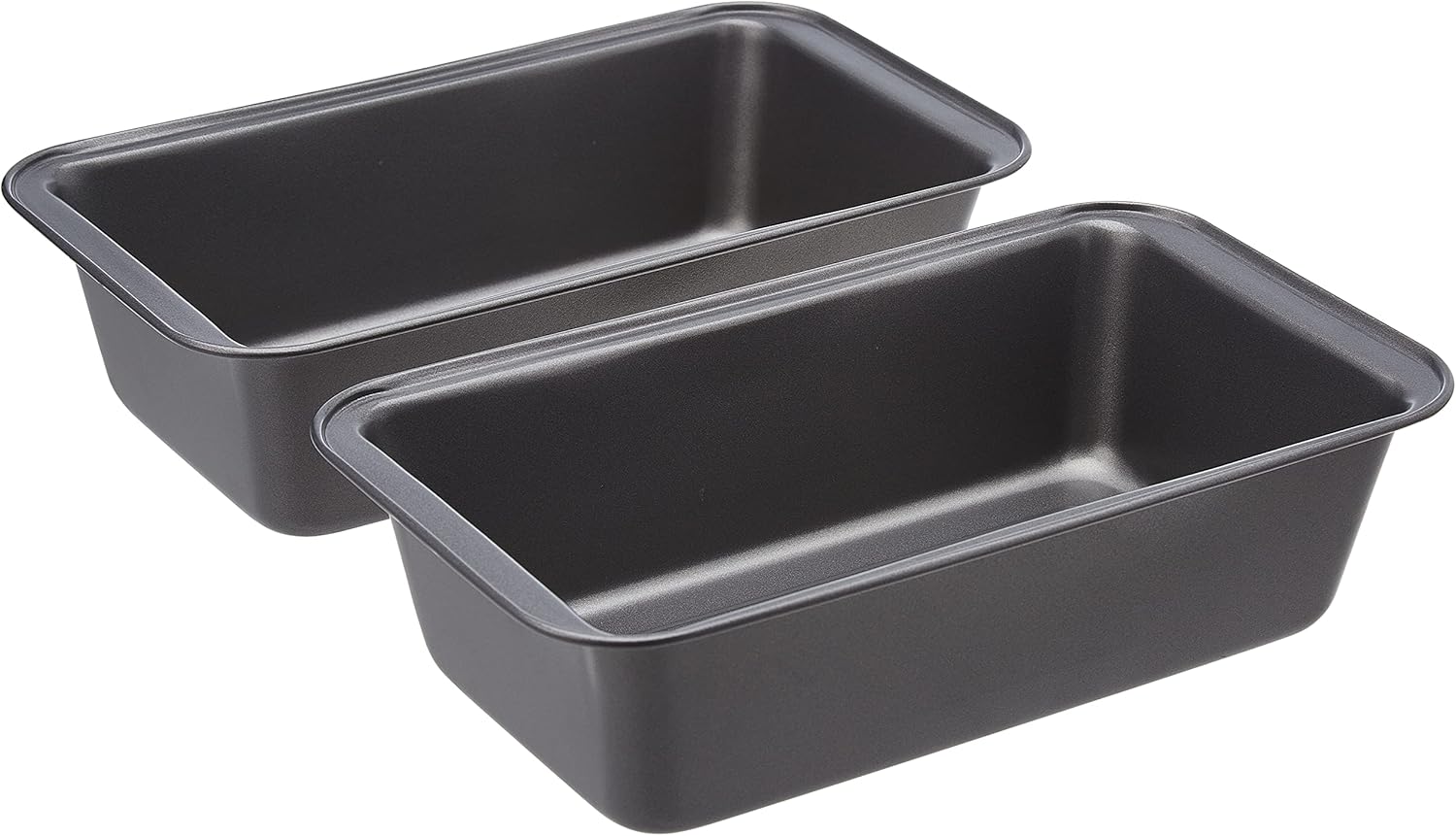
Choosing the correct material is vital when shopping for bread and loaf pans. Carbon steel provides fast and even heat conduction, helping dough set rapidly and achieve uniform browning. Borosilicate glass handles higher temperatures and distributes heat evenly, though it retains heat differently than metal. Stainless steel offers a robust, rust-resistant alternative without chemical coatings.
Every material interacts with your oven's heating elements in unique ways. Steel and carbon options promote crisp crusts quickly. Glass allows visual monitoring through the sides but requires adjusted baking temperatures for best results. Understanding these thermal characteristics ensures your chosen bakeware matches your preferred recipes, whether you are baking artisan sourdough, dense meatloaves, or sweet pound cakes.
Dimensions, Capacity, and Oven Fit
Pan dimensions dictate how much dough or batter a baking dish can comfortably hold without spilling over the edges. Standard rectangular sizes like nine by five inches accommodate typical quick bread and sandwich recipes. Checking external measurements, including side grab handles, ensures the pan clears your oven racks and interior walls safely without crowding neighboring dishes.
Capacity metrics, measured in cups or liters, help prevent overflowing batter during active baking. Shallow designs suit smaller portions or layered casseroles, while deep walls support high-rising yeast breads. Measuring your available oven space beforehand guarantees you can position multiple pans side by side without blocking essential heat circulation or door closure.
Nonstick Coatings Versus Uncoated Metal
Nonstick coatings simplify the demolding process by allowing baked loaves to slide out smoothly with minimal crumbling. Carbon steel and steel pans frequently feature these treated surfaces to reduce food adhesion. However, nonstick layers often impose strict upper temperature limits, such as 428 or 450 degrees Fahrenheit, to protect the coating material from degradation.
Uncoated stainless steel or glass options eliminate chemical coatings entirely, offering a durable cooking surface that resists scratching and chemical absorption. Without nonstick properties, uncoated pans require manual preparation steps like applying cooking oil or lining the bottom with parchment paper. Weighing your preference for effortless release against chemical-free surfaces guides your final bakeware decision.
Cleaning Routines and Maintenance Guidance
Maintaining your bakeware properly extends its service life and preserves daily cooking performance. Many carbon steel and steel loaf pans carry manufacturer recommendations for gentle hand washing in warm, soapy water rather than automated dishwasher cycles. Harsh detergents found in automated dishwashers can dull nonstick surfaces and degrade protective steel finishes over time.
Conversely, borosilicate glass and stainless steel pans frequently support dishwasher cleaning, saving significant time after busy baking sessions. Following specific manufacturer guidelines for cleaning prevents unnecessary wear. Taking a few extra minutes to hand wash coated carbon steel dishes preserves the nonstick integrity, ensuring reliable food release for years of future baking projects.
Included Accessories and Lid Utility
Bakeware sets that include matching lids and accessories offer extra convenience for home bakers. Lidded Pullman pans trap internal moisture and heat during baking, yielding square sandwich loaves with even textures. Additional accessories like bread knives, dough scrapers, whisks, and parchment paper eliminate the need to purchase supplementary tools separately before starting a recipe.
Glass loaf pans often include snap-on plastic lids designed specifically for food storage. These lids allow you to transition a cooled dish straight from the oven or refrigerator without changing containers. Evaluating whether you will actually utilize included lids and tools helps determine if an accessory-packed set delivers true practical value for your kitchen routine.
Storage Space and Stackability Considerations
Kitchen cabinet space frequently dictates how many loaf pans you can comfortably own and store at home. Multi-pack sets and specialized lidded designs require careful measurement of your available shelf height and depth. Stainless steel options that feature stackable frames allow you to nest multiple units vertically, freeing up valuable cupboard space for other essential cooking equipment.
Bulky glass dishes or wide-rimmed carbon steel pans take up more footprint room and cannot always nest securely together. Assessing your kitchen storage capacity before purchasing a multi-piece set prevents clutter and ensures every pan has a designated home. Keeping your bakeware organized protects exterior coatings from scratches and keeps your cooking space running smoothly.
Frequently asked questions
Can I put glass loaf pans directly into a pre-heated oven?
Yes, borosilicate glass loaf pans are specifically designed to be safe for pre-heated ovens up to high temperature thresholds. However, it is important to follow manufacturer guidance, which often recommends lowering traditional oven temperatures by twenty-five degrees when baking with glass. Additionally, you must ensure that any plastic storage lids included with glass pans are completely removed before placing the dish into a hot oven or microwave, as those lids are not heat safe for baking environments.
Do carbon steel loaf pans require hand washing?
Many carbon steel and steel bread pans carry explicit manufacturer recommendations for hand washing in warm, soapy water. While it might be tempting to use an automated dishwasher, harsh appliance detergents can degrade the nonstick interior coatings and dull the exterior metal finish over time. Hand washing helps preserve the protective nonstick layer, ensuring effortless food release and extending the overall lifespan of your baking pans through years of regular kitchen use and recipe preparation.
What is the advantage of a lidded Pullman loaf pan?
Lidded Pullman loaf pans trap moisture and heat inside the baking chamber during the cooking process. This enclosed environment ensures the dough bakes evenly, producing a square loaf with a full shape and clear texture. The lid prevents the outer crust from becoming overly hard while keeping the interior crumb soft and moist. This design is particularly well suited for homemade sandwich bread, pull-apart rolls, and professional-style rectangular toast right in your home kitchen.
Why choose stainless steel loaf pans over nonstick versions?
Stainless steel loaf pans offer a durable, heavy-duty alternative crafted without chemical nonstick coatings. This makes them an appealing option for home cooks who prefer non-toxic materials that will not release substances at high temperatures. While stainless steel lacks natural nonstick properties and requires you to apply cooking oil or parchment paper to prevent sticking, it provides exceptional resistance to rust, warping, and deformation, delivering long-lasting performance for everyday baking and meal prep.
How do I prevent bread from sticking to uncoated pans?
To prevent bread, meatloaf, or cakes from sticking to uncoated stainless steel or glass pans, you should apply a light layer of cooking oil or butter across the interior surface before adding your batter or dough. Alternatively, lining the bottom and sides with baking parchment paper creates a reliable non-stick barrier that simplifies demolding. These preparation steps make cleanup much easier and ensure your baked goods slide out cleanly without tearing, crumbling, or sticking.