Appliances · Buying Guide
Best Bread Baking Pans for Everyday Homemade Loaves
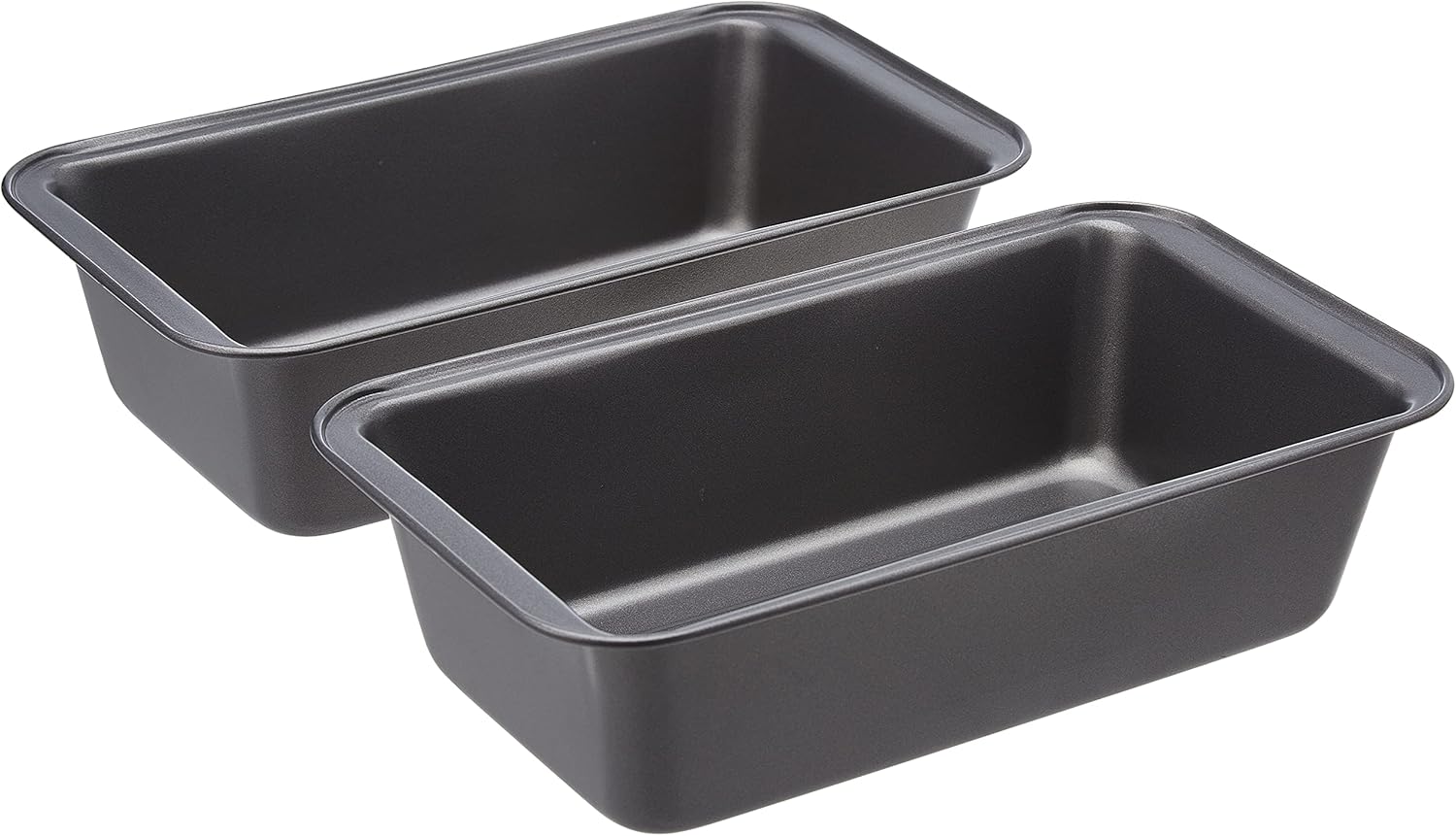
Baking bread at home requires reliable equipment designed to handle everything from sweet pound cakes to savory yeast loaves. Selecting the right loaf pan depends heavily on your preferred materials, whether you favor traditional metals, durable glass, or heavy-duty cast iron. Each material brings distinct heat distribution characteristics and maintenance routines to your kitchen.
Exploring the current market reveals diverse options equipped with special features like nonstick coatings, matching lids, or corrugated surfaces. Understanding these construction details helps you match a specific bakeware piece to your favorite recipes, ensuring consistent results without relying on guesswork or complicated adjustments during your baking routine.
As an Amazon Associate, StacyLaughs earns from qualifying purchases.
Buying guide
Material Selection and Heat Distribution
Choosing the right material forms the absolute foundation of successful bread baking in any home kitchen environment. Metal pans heat up very quickly to create uniform browning, while alternative options like glass and heavy cast iron retain heat differently to support extended baking times. Understanding these fundamental thermal behaviors helps you select bakeware that aligns with your specific baking style, favorite recipes, and overall cooking preferences.
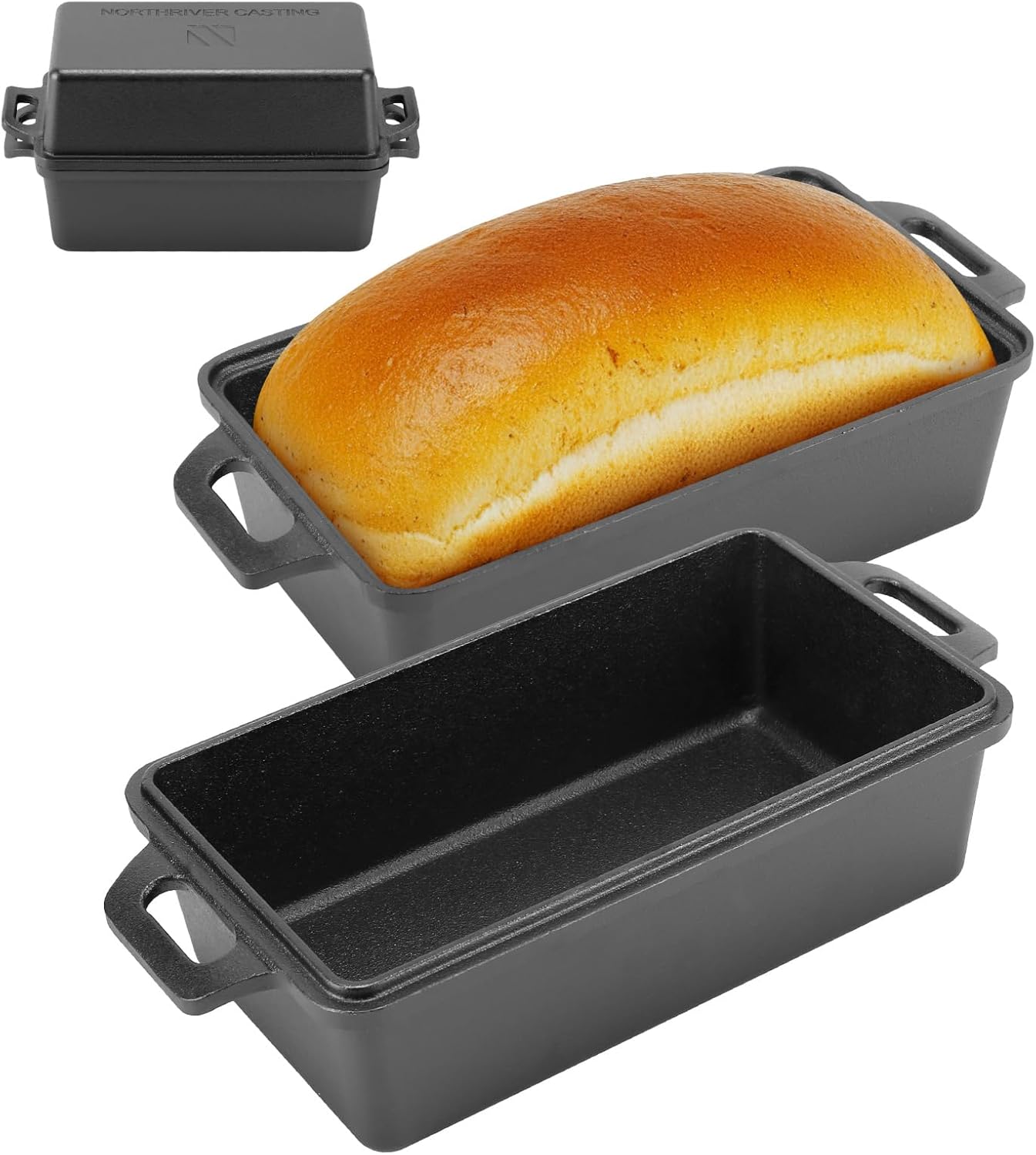
Traditional steel options offer rapid heat transfer for standard quick breads, whereas heavy cast iron excels at developing thick, artisan-style crusts on homemade sourdough loaves. Carefully evaluate your usual baking repertoire to determine which material properties best match your daily goals without ever compromising your preferred kitchen routine.
Nonstick Coatings and Food Release
Nonstick coatings play a massive role in ensuring your freshly baked loaves slide out cleanly without tearing the delicate crust. Many modern bread pans feature silicone, ceramic, or proprietary nonstick surfaces designed to minimize sticking and simplify cleanup. Selecting a pan with reliable release properties eliminates the frustration of bread sticking to corners and reduces the amount of extra oil needed.
However, coated pans often require careful manual washing to protect the delicate nonstick layer over years of frequent use. Always review manufacturer cleaning recommendations to avoid abrasive scrubbers that might compromise the protective surface. Balancing easy food release with proper maintenance habits ensures your baking pans remain functional and dependable for countless baking sessions.
Capacity and Dimensional Sizing
Pay close attention to pan dimensions and total capacity when outfitting your kitchen for bread baking adventures. Standard one-pound loaf pans suit smaller recipes, while larger multi-quart vessels accommodate bulk dough or family-sized meatloaves. Checking your oven interior dimensions and cabinet storage space ensures your new bakeware fits comfortably both during baking cycles and when tucked away on shelves.
Overfilling a small pan leads to messy spillover, while underfilling a large container can cause your dough to spread flat rather than rising vertically. Matching the stated capacity to your typical batch size guarantees professional-looking results every single time. Take precise measurements of your current storage areas before purchasing oversized multi-piece bakeware sets.
Ergonomics and Handle Design
Comfortable handles and well-designed rims make transitioning heavy pans in and out of a hot oven much safer. Look for expanded rim handles or textured grips that provide a secure hold, especially when you are wearing thick oven mitts. Features like rounded interior corners also contribute to a better user experience by preventing dough from getting trapped in tight crevices during removal.
Ergonomic design elements reduce wrist strain and give you greater confidence when transporting boiling or piping-hot baking dishes across the kitchen. Ignoring these subtle structural details can lead to awkward grips and potential kitchen accidents. Prioritizing pans with thoughtful grip enhancements protects your hands and simplifies your overall baking process from start to finish.
Temperature Limits and Thermal Safety
Every bread baking pan comes with specific thermal limits that dictate how safely it can perform in extreme heat environments. Metal pans and glass dishes often feature distinct maximum temperature ratings ranging from 428 to 500 degrees Fahrenheit. Exceeding these manufacturer-specified thresholds can warp metal, damage nonstick coatings, or cause glass to fracture, creating dangerous situations in your home kitchen during high-heat baking.
Always verify the upper temperature rating of your chosen cookware before attempting specialized artisan baking methods that require preheated environments. Pay attention to whether plastic components, such as storage lids, must be removed before placing the dish into an oven. Respecting these thermal guidelines preserves the structural integrity of your baking equipment.
Maintenance and Long-Term Care
Proper cleaning and maintenance routines significantly extend the lifespan of your favorite bread baking pans. While some durable materials tolerate dishwasher cycles, many nonstick and cast iron surfaces explicitly require gentle hand washing with mild soap and warm water. Following these care instructions prevents premature wear, rust formation, or the degradation of specialized nonstick coatings over months of heavy usage.
Cast iron pans demand additional steps, such as thorough drying and periodic oil seasoning, to maintain their protective finish and prevent corrosion. Establishing a consistent post-baking cleaning habit protects your investment and ensures optimal baking performance. Never skip manufacturer guidelines regarding maintenance, as proper upkeep guarantees consistently delicious loaves for many years.
Frequently asked questions
Do I need to grease nonstick bread pans before baking?
Even when using a bread baking pan equipped with a factory-applied nonstick or silicone coating, applying a light layer of oil or butter often helps ensure completely effortless food release. The specific requirement depends heavily on the recipe type, sugar content, and the condition of the pan surface. Quick breads with high sugar levels tend to stick more easily, so a minor application of grease provides an extra layer of security. Always consult your specific recipe instructions and manufacturer guidelines for the best results.
Can glass loaf pans be placed directly into a hot oven?
Borosilicate glass loaf pans are engineered to withstand high thermal limits, but sudden, extreme temperature changes can still cause thermal shock and potential breakage. It is generally recommended to place glass bakeware into a pre-heated oven gradually or follow specific manufacturer instructions regarding pre-heating. Additionally, many glass pans require you to lower your standard oven temperature settings by 25 degrees Fahrenheit to compensate for how glass absorbs and retains heat. Always handle glass cookware with extreme caution when moving it between environments.
How should I clean cast iron bread pans after use?
Cast iron bread baking pans require special post-baking care to maintain their seasoned surface and prevent rust formation. You should always wash cast iron by hand using warm water and mild soap if needed, avoiding harsh dishwashers entirely. After washing, thoroughly dry the pan immediately using a towel or low fire on your stovetop to eliminate all residual moisture. Finally, apply a thin coat of cooking oil to the surface to season the metal before storing it away in a dry kitchen cabinet.
What is the advantage of a corrugated surface on a loaf pan?
A corrugated surface design features a textured pattern along the bottom and sides of the metal bread pan. This unique texture serves two primary functions: it increases the overall structural strength of the pan to prevent warping, and it creates tiny air channels beneath the dough. These air channels promote enhanced air circulation around your baking loaf, resulting in more evenly baked goods, better crust formation, and quicker food release without requiring excessive greasing or complicated preparation steps before you start baking.
Are plastic lids safe to use inside the oven or microwave?
Plastic lids included with certain bakeware sets, such as borosilicate glass storage dishes, are specifically designed for food storage rather than active cooking. You must never place these plastic lids inside a hot oven or a microwave because the high heat will melt or warp the material. Always remove the lid entirely before placing your glass dish into the oven for baking. These lids are ideal for sealing leftovers or storing bread in the freezer or refrigerator once the food has cooled down completely.