Appliances · Buying Guide
Best Bread Loaf Baking Pan Options for Every Home Kitchen Bakeware Need
Finding the ideal bread loaf baking pan is essential for home bakers aiming for uniform browning, reliable food release, and sturdy construction. Whether you are baking traditional sourdough, sweet banana bread, savory meatloaf, or rich pound cakes, the pan material significantly impacts your final results. Different materials handle heat transfer uniquely, influencing whether your crust achieves a deep golden crisp or a soft, even texture.
Navigating the market involves evaluating various designs, from classic steel and heavy-duty cast iron to thermal shock-resistant glass and corrugated surfaces. Each option brings specific cleaning requirements, temperature limits, and storage advantages to your kitchen. Exploring these curated selections helps you match your specific baking routines with the right hardware for long-lasting performance.
As an Amazon Associate, StacyLaughs earns from qualifying purchases.
Buying guide
Choosing the Right Pan Material
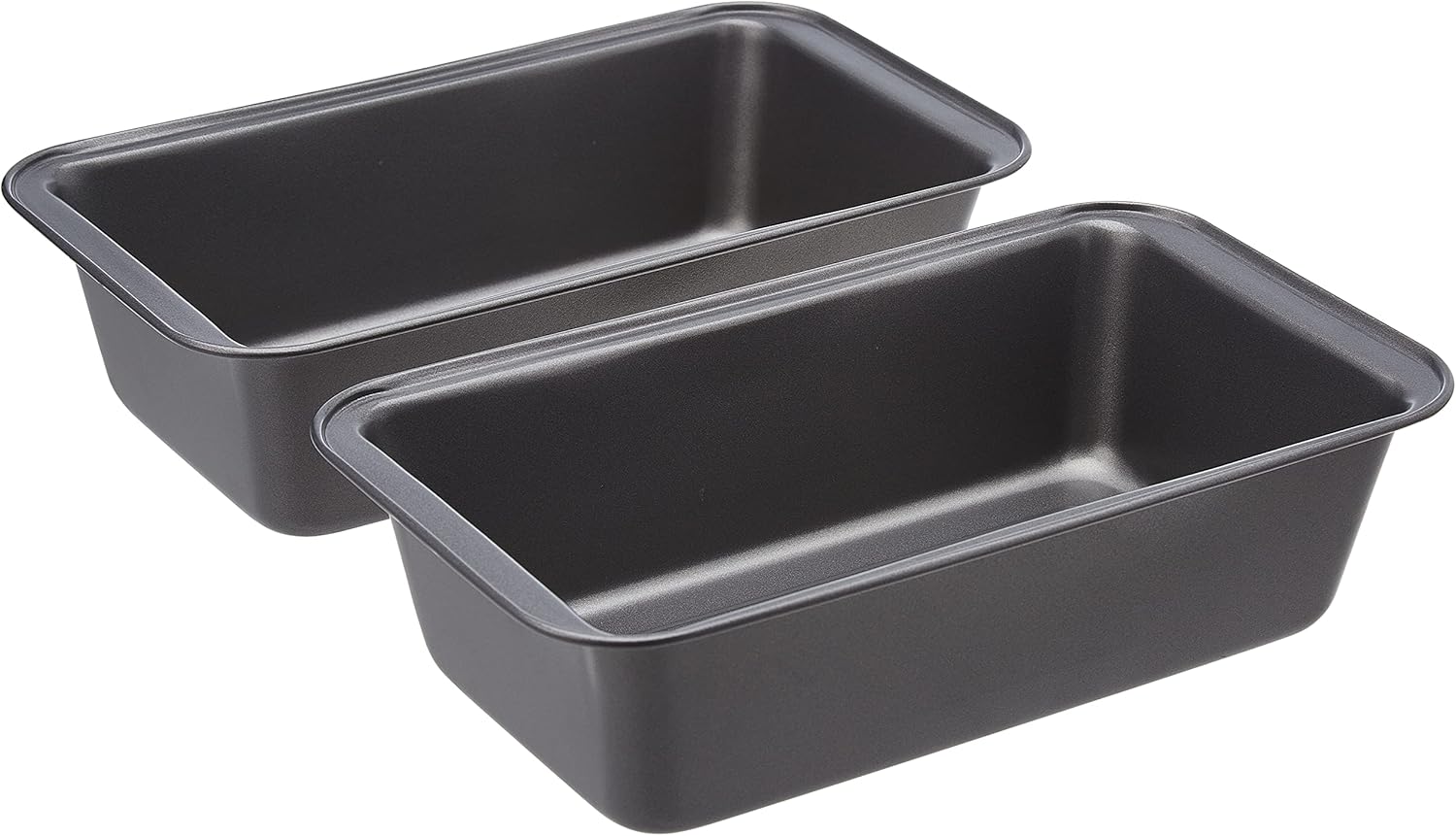
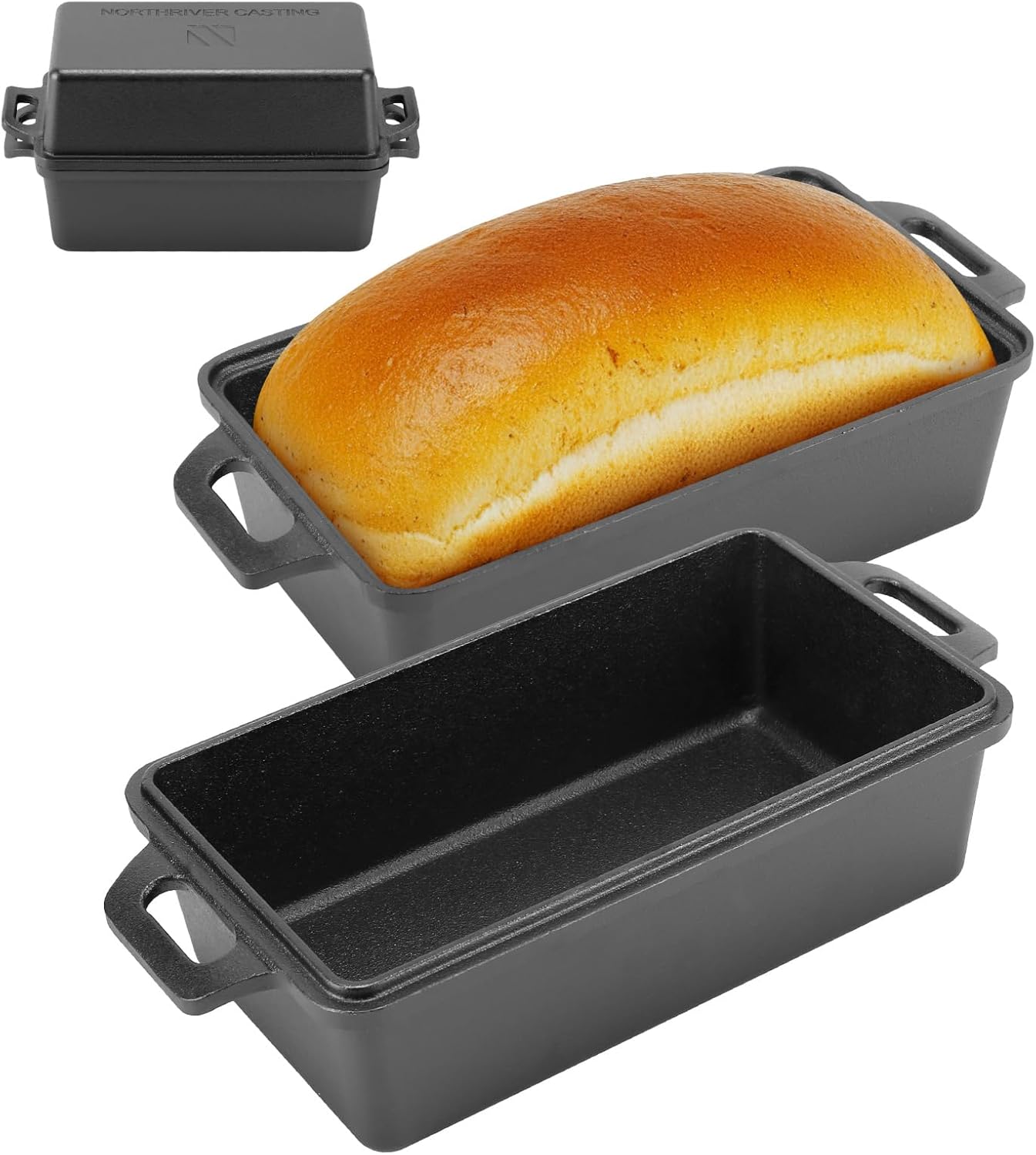
Selecting the correct material for your bread loaf baking pan dictates how heat transfers to your dough. Steel and carbon steel heat up quickly, encouraging rapid browning and even texture for quick breads and cakes. Cast iron retains heat exceptionally well, making it a favorite for artisan sourdough.
Glass offers transparency, allowing you to monitor crust color visually while doubling as a storage dish. Evaluating your typical recipes helps determine whether metal conductivity or glass thermal stability serves your kitchen best.
Understanding Capacity and Dimensions
Bread pan dimensions directly influence final loaf height, slice shape, and overall baking time. Standard 9 by 5-inch or 8.5 by 4.5-inch sizes comfortably accommodate typical yeast bread recipes, traditional meatloaves, and sweet pound cakes without overflowing. Checking the listed volume capacity ensures your favorite batter fits securely with adequate expansion room at the top during the crucial rising phase.
Selecting a pan that closely matches your recipe volume prevents structural collapse or dense, underbaked centers. Compact pans suit smaller household portions, while larger multi-quart options handle substantial batch requirements, ensuring your baked goods rise evenly and maintain optimal structural integrity throughout the entire baking cycle without unexpected spills inside your hot oven.
Evaluating Nonstick Coatings and Release
Nonstick coatings significantly simplify the process of removing delicate loaves, sticky meatloaves, and sweet cakes from your baking pan. Proprietary silicone finishes and reinforced nonstick surfaces actively prevent baked goods from bonding to the interior metal walls. This modern convenience makes cleanup much faster and preserves the aesthetic presentation of your finished culinary creations.
While nonstick surfaces offer fantastic everyday convenience, they often require mindful handling and gentle cleaning methods to prevent premature wear. Avoiding metal utensils, harsh cleaning pads, and abrasive scouring powders protects the specialized coating from unsightly scratches, ensuring your bread loaf baking pan maintains reliable food release properties over many years of regular kitchen use.
Cleaning and Maintenance Requirements
Proper maintenance significantly extends the lifespan of your bakeware investment and ensures consistent baking performance over time. Some modern pans feature dishwasher-safe construction for fast cleanup after busy baking sessions, while others strictly recommend gentle hand washing to protect sensitive nonstick layers. Following manufacturer care guidelines prevents accidental surface damage and keeps your equipment functioning properly.
Cast iron pans require unique daily care routines, including immediate hand washing, thorough drying over low heat, and periodic cooking oil seasoning to prevent rust accumulation. Steel and glass options demand careful attention to upper temperature limits and cleaning tool selection. Matching your preferred maintenance habits with the right pan material saves considerable effort in the long run.
Temperature Limits and Thermal Performance
Every baking pan operates safely within specific temperature thresholds established by its core material composition. Carbon steel and standard steel pans typically handle moderate to high oven heat without issue. Meanwhile, heavy-duty cast iron and thick borosilicate glass options can withstand elevated baking temperatures up to 500 degrees Fahrenheit without structural warping.
Understanding thermal performance helps you choose the ideal vessel for specialized recipes like high-heat artisan sourdough baking. Glass pans often require lowering standard oven temperatures slightly to achieve balanced, even results across the entire loaf. Respecting these established manufacturer temperature ratings ensures safe baking sessions without risking warping or thermal shock in your home kitchen.
Storage and Space-Saving Designs
Efficient kitchen storage is essential when managing multiple baking pans of various shapes and sizes in standard kitchen cupboards. Many modern loaf pans feature stackable designs or streamlined profiles that nest neatly together inside crowded kitchen cabinets. This thoughtful space-saving organization minimizes kitchen clutter and keeps your entire bakeware collection easily accessible for daily use.
Evaluating your available cabinet space helps you decide between multi-piece stacking sets and single specialty pans. Glass pans equipped with matching storage lids offer dual functionality for baking and refrigerator food storage, reducing the need for extra plastic containers. Selecting space-efficient designs keeps your kitchen counters clear, tidy, and ready for your next weekend baking project.
Frequently asked questions
What size is a standard bread loaf baking pan?
A standard bread loaf baking pan typically measures 9 by 5 inches or 8.5 by 4.5 inches. These standard dimensions are specifically designed to accommodate traditional yeast bread recipes, quick breads like banana bread, savory meatloaves, and pound cakes without spilling over the edges. When following baking recipes, checking your specific pan capacity ensures the batter fills the interior adequately, leaving enough room for proper rising and expansion during the baking process in your oven.
Can I put glass loaf pans in the dishwasher?
Borosilicate glass loaf pans are generally safe for the top rack of the dishwasher, offering convenient cleanup after baking sessions. However, you must always remove any attached plastic storage lids before placing them inside a dishwasher, microwave, or preheated oven, as those lids are not designed for high-heat environments. Following manufacturer care guidelines for each specific component ensures your glassware and lids remain in excellent condition over years of regular kitchen use.
How do I prevent bread from sticking to metal pans?
Preventing bread from sticking to metal pans involves utilizing pans equipped with nonstick coatings or proprietary silicone finishes that promote effortless food release. If your pan lacks a nonstick surface, lightly greasing the interior with shortening or oil, or lining it with parchment paper, creates an effective barrier. Additionally, allowing your baked goods to cool slightly in the pan before attempting to turn them out helps maintain their structural integrity and prevents tearing.
Is cast iron good for baking bread?
Cast iron is exceptionally good for baking bread because it delivers superior, steady heat distribution and exceptional heat retention, helping you achieve a wonderful crisp crust similar to a professional Dutch oven. Many cast iron loaf pans include a matching lid that traps steam during the initial baking phase. While cast iron requires manual hand washing, low-fire drying, and periodic oil seasoning, its durability and baking performance make it a favorite for artisan sourdough.
Should I hand wash my nonstick loaf pans?
Hand washing is strongly recommended for most nonstick loaf pans to preserve the integrity of the specialized coating over extended periods of time. Using warm water, mild soap, and a soft sponge prevents scratching and wear caused by harsh dishwasher detergents or abrasive scouring pads. Even when a manufacturer lists a pan as dishwasher safe, gentle hand washing remains the best practice for extending the lifespan of your nonstick bakeware.