Appliances · Buying Guide
Best Cast Iron Loaf Pans For Sourdough Bread Baking
Baking artisan sourdough at home requires proper heat retention and consistent moisture control to achieve that characteristic crispy crust alongside a soft, airy interior. Heavy-duty cast iron pans designed specifically for rectangular loaf baking have become essential choices among home bakers looking to replicate professional results directly inside standard kitchen ovens and on various stovetops.
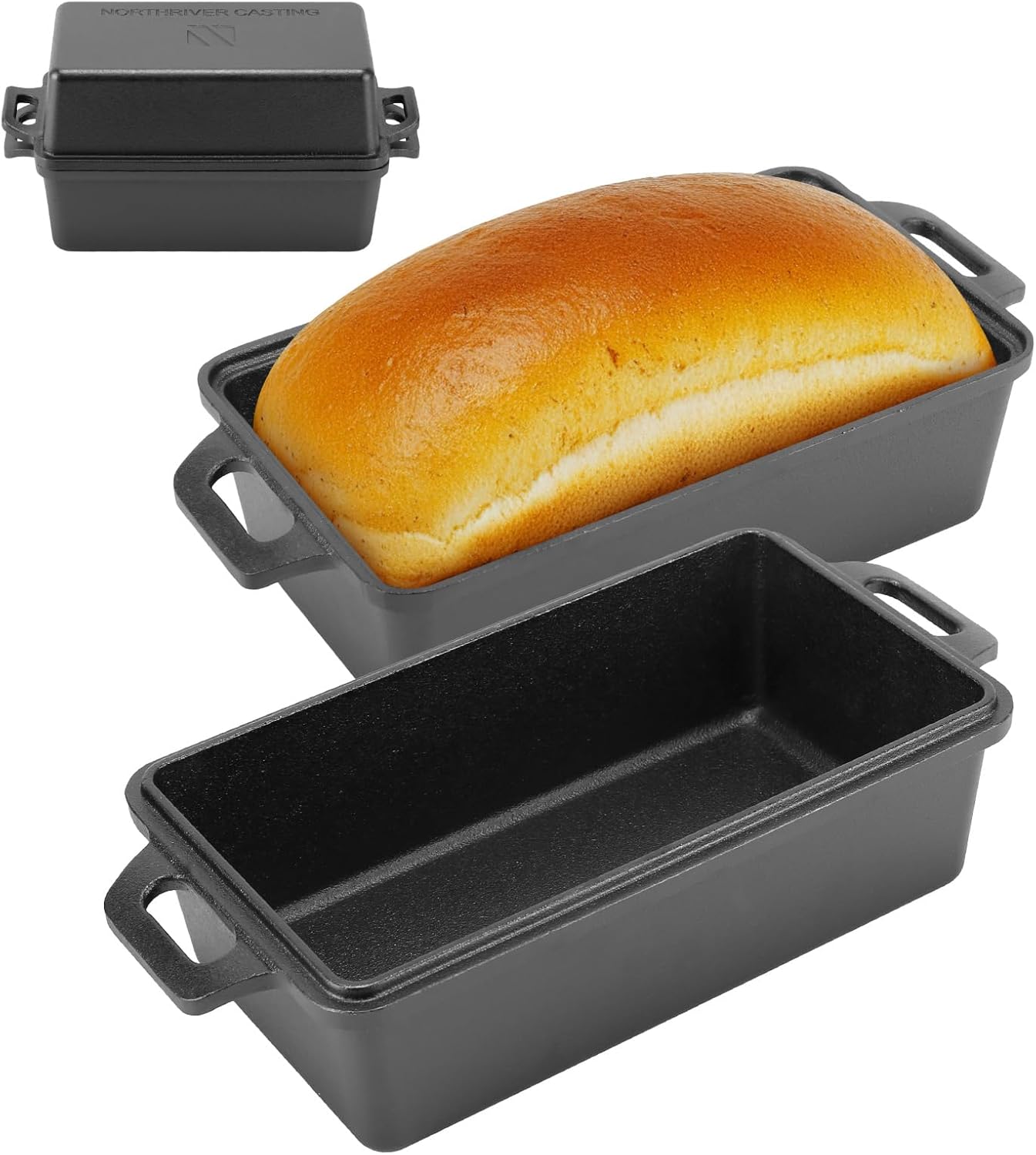
These specialized two-in-one cookware pieces typically feature a deep baking base and a matching lid that traps steam effectively during the initial baking phase. Selecting the right model depends on your specific material preferences, capacity requirements, and how you prefer to handle traditional seasoning or smooth enamel maintenance in your daily routine.
As an Amazon Associate, StacyLaughs earns from qualifying purchases.
Buying guide
Material Composition and Heat Retention
Choosing the right material forms the foundation of successful sourdough bread baking at home. Cast iron absorbs heat deeply and radiates it evenly across the dough structure. This thermal mass ensures your loaf receives a steady temperature climb from the moment it enters the oven. Heavy iron prevents hot spots that can scorch the bottom crust before the interior rises.
Raw iron absorbs seasoning layers over time, creating an organic non-stick barrier that enhances performance with repeated use. Enameled variants offer similar thermal retention while encasing the metal in a smooth coating. Both materials excel at holding high temperatures up to five hundred degrees Fahrenheit, supporting the vigorous oven spring essential for artisan sourdough development.
Capacity and Loaf Dimensions
Bread pan dimensions directly dictate the physical shape and slice size of your finished sourdough loaves. Standard nine-by-five inch rectangular configurations accommodate traditional sandwich breads and neatly proportioned artisan slices. Matching your recipe flour weight to pan capacity prevents overflow during baking. A well-proportioned pan ensures your dough expands upward rather than spreading outward into a flat shape.
Capacities typically range from 3.4 quarts to 4.3 quarts among these cast iron models. Smaller capacities suit standard flour amounts and fit effortlessly inside compact oven setups. Larger volumes provide extra headspace for higher hydration doughs that puff up significantly during baking. Evaluate your typical batch sizes to select a volume that matches your weekly baking routine without overcrowding your cooking space.
Surface Coatings and Maintenance Requirements
Surface maintenance routines vary significantly depending on whether you choose raw or enameled cast iron. Raw cast iron requires manual hand washing, thorough drying, and regular oil seasoning to maintain its protective coating and prevent rust. This ongoing upkeep builds a natural non-stick surface that improves with every bake, rewarding diligent bakers with authentic performance.
Enameled cast iron eliminates the need for traditional oil seasoning by covering the metal with a smooth, vibrant vitreous layer. This coating simplifies cleanup with basic hand washing and prevents food odors from absorbing into the cookware. However, enameled surfaces demand careful handling with non-metal tools to avoid scratching. Weigh your willingness to perform routine oil seasoning against your desire for effortless, glazed cleanup routines.
Two-in-One Versatility and Steam Trapping
Achieving a professional sourdough crust relies heavily on trapping steam during the initial baking phase. Two-in-one cast iron sets feature a deep rectangular base and a matching lid that double as a standalone baking dish. When stacked together, they create an enclosed Dutch oven environment that seals in natural moisture released by the fermenting dough.
This trapped steam keeps the bread surface elastic longer, allowing the loaf to achieve maximum oven spring before the crust sets. Once the initial baking phase concludes, you can remove the lid to let dry heat circulate, turning the exterior golden brown and crispy. This dual-purpose design also lets you bake meatloaf, casseroles, or dual loaves simultaneously, expanding your overall kitchen utility.
Handle Design and Safe Maneuverability
Handling heavy cast iron cookware filled with hot dough requires secure, well-designed grips. Integrated one-piece handles or curved radian grips provide stable anchor points when transferring the pan between countertops and hot oven racks. Because cast iron conducts heat rapidly, these handles become extremely hot during the baking cycle, necessitating thick oven mitts or heat-resistant pads for safe movement.
Thickened handles offer extra purchase for fingers encased in bulky protective gloves, reducing the risk of accidental slips. When comparing pan designs, look for handle clearances that accommodate your specific oven mitts without awkward angles. Proper grip geometry ensures you can safely invert or separate the stackable two-piece components even when operating at temperatures reaching five hundred degrees Fahrenheit.
Included Accessories and Value Additions
Many cast iron loaf pan sets bundle practical accessories designed to assist home bakers right out of the box. Included recipe books offer helpful inspiration for experimenting with different sourdough variations, sandwich loaves, and savory meatloaf dishes. These guides help beginners understand proper preheating techniques and flour lining methods for successful baking outcomes.
Bundled heat-resistant gloves or protective mitts provide immediate safety utility, sparing you from purchasing separate handling accessories. While accessories should not replace core pan quality in your decision process, they add convenient value for bakers building out their kitchen supplies. Assess whether bundled extras align with your current equipment inventory before making your final selection.
Frequently asked questions
Do I need to preheat a cast iron sourdough bread pan before baking?
Yes, preheating your cast iron loaf pan is generally recommended to achieve the best possible oven spring and a crispy crust. Putting cold dough into a preheated pan creates an immediate thermal shock that helps the sourdough expand vigorously and develop characteristic blisters on the crust. You should always follow manufacturer guidelines regarding oiling or lining the preheated surface with parchment paper to prevent the sticky sourdough dough from fusing permanently to the hot iron during the initial baking phase.
Can I use these cast iron loaf pans on stovetops or campfires?
Most heavy-duty cast iron bread pans are engineered for broad versatility across traditional kitchen appliances, including gas, electric, and induction cooktops, as well as outdoor campfires. Their robust cast iron construction withstands direct heat sources up to five hundred degrees Fahrenheit safely. However, you should always verify specific manufacturer compatibility notes regarding your cooktop type and practice careful lifting techniques, as heavy iron cookware requires stable placement and heat-resistant protection during stovetop use.
What is the advantage of a two-in-one stackable bread pan design?
A two-in-one stackable design allows your loaf pan to function both as an open baking dish and as an enclosed Dutch oven when the matching lid is inverted on top. This configuration traps steam released by the baking sourdough, keeping the crust elastic and allowing the loaf to expand fully before setting. Additionally, using two separate pans allows you to bake multiple items simultaneously, while the stackable profile saves valuable cabinet storage space when not in use.
How do I clean and maintain raw versus enameled cast iron pans?
Raw cast iron pans require strict hand washing without harsh dishwashers, followed by thorough drying and a light application of cooking oil to prevent rust and maintain seasoning. Enameled cast iron pans feature a smooth vitreous coating that simplifies cleanup with basic hand washing and towel drying, completely eliminating the need for routine oil seasoning. Regardless of the finish, you should always avoid abrasive metal scouring pads and abrupt thermal shocks to preserve the integrity of your cookware surface.
What capacity should I look for when baking standard sourdough recipes?
Capacities generally range between 3.4 quarts and 4.3 quarts for standard nine-by-five inch cast iron loaf pans. A 3.4-quart pan suits standard flour batches and fits easily into compact ovens, while a 4.3-quart capacity provides extra headspace for high-hydration sourdough doughs that rise significantly during baking. Consider your typical batch size, recipe flour weight, and available oven space to select a capacity that supports your baking style without risking dough overflow during the proofing and baking process.