Appliances · Buying Guide
Best Bread Tins for Baking: Choosing the Right Pan for Every Loaf
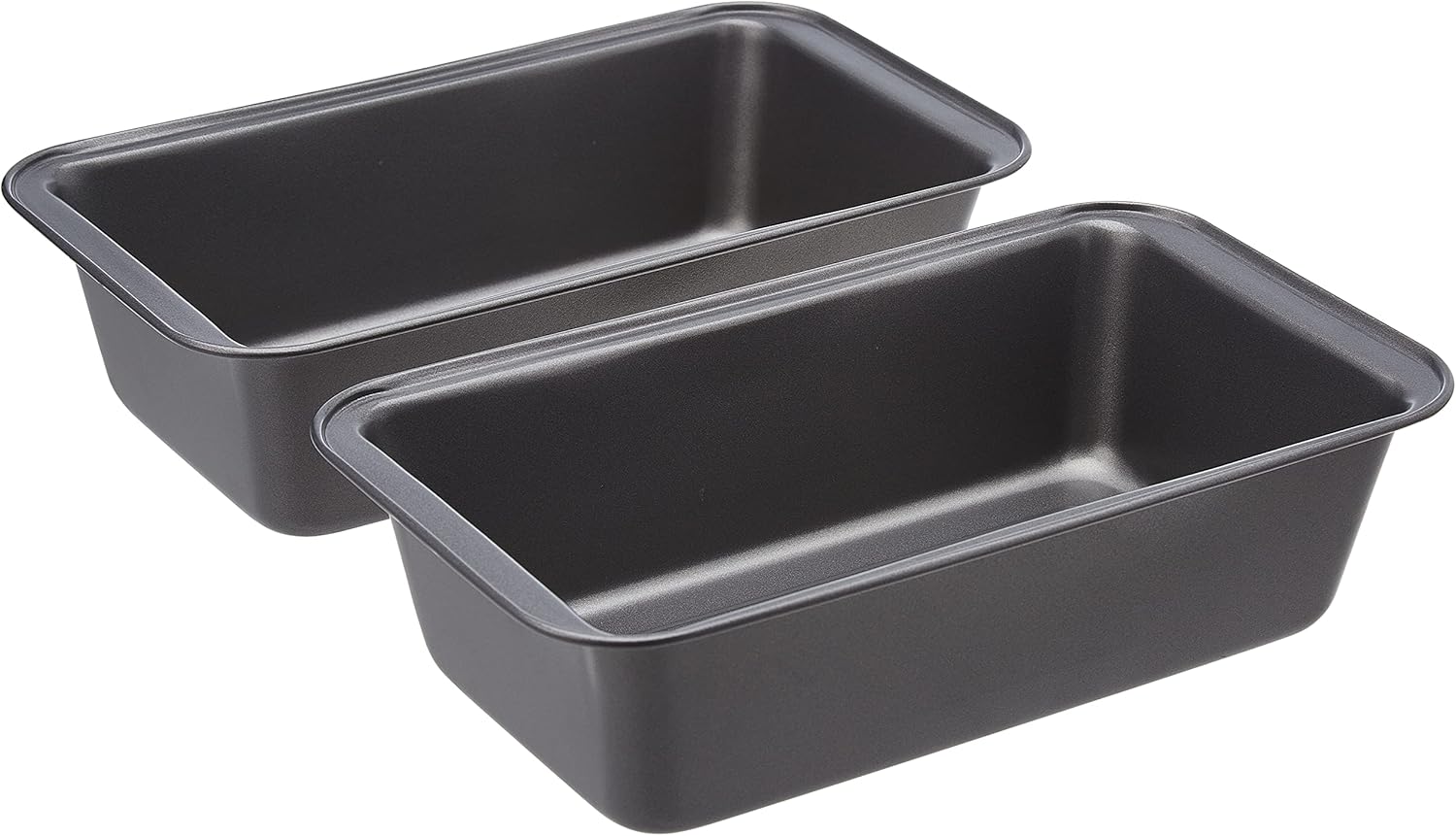
Baking homemade bread relies heavily on choosing the correct bread tin to match your recipe, dough volume, and desired crust texture. Different materials, ranging from traditional carbon steel and heavy-gauge metals to disposable foils and stainless steel, influence how heat transfers during the baking process. Selecting the right physical format ensures your bakes release cleanly and bake evenly from edge to center.
Whether you are baking a standard family sandwich loaf, individual mini portions, or a neatly squared Pullman loaf featuring a sliding lid, understanding pan specifications ensures reliable results. Exploring the physical characteristics of each available option helps you select bakeware that aligns with your specific kitchen routines, baking styles, and storage needs without guesswork.
As an Amazon Associate, StacyLaughs earns from qualifying purchases.
Buying guide
Material Selection and Heat Transfer
Choosing the right material for your bread tin directly impacts crust development and interior crumb texture. Carbon steel and heavy-weight metals conduct thermal energy rapidly, promoting even browning and structural stability during high-heat baking. Stainless steel offers a durable, chemical-free cooking surface, though it requires greasing to prevent sticking. Aluminum disposable pans provide lightweight convenience for transport.
Understanding these thermal traits helps match your recipe requirements to the appropriate bakeware metal. Heavy-gauge options resist warping over repeated cycles, whereas thinner metals heat quickly but demand careful temperature monitoring to avoid scorching delicate batter formulations. Evaluating how each material manages heat ensures your baked goods achieve the desired crust color and internal moisture balance every time you bake.
Sizing and Capacity Considerations
Selecting appropriate physical dimensions prevents overflowing batter and ensures proper vertical loaf expansion. Standard nine by five-inch pans accommodate traditional sandwich breads and meatloaves comfortably, while oversized Pullman pans support larger dough weights up to 2.2 pounds for family-sized meals. Mini loaf trays divide standard batter quantities into eight individual cavities for convenient single-serving portions and quick snack preparations.
Matching your pan capacity to your typical recipe yield avoids underfilled or spilling tins during the rising process. Reviewing both interior and exterior dimensions also guarantees physical compatibility with your oven rack spacing and available kitchen storage areas. Taking accurate measurements beforehand saves frustration and yields predictable baking outcomes across diverse bread recipes.
Surface Coatings and Release Mechanisms
Nonstick coatings significantly simplify the removal of delicate baked goods from the pan interior. Materials featuring protective nonstick layers allow breads and cakes to slide out cleanly without crumbling or tearing. However, these specialized coatings often require non-metal utensils and gentle hand-wash maintenance to preserve their slick finish over extended periods of regular kitchen use.
Uncoated stainless steel or aluminum alternatives eliminate concerns about coating wear, but they necessitate traditional greasing or parchment paper linings to achieve similar food release. Deciding between coated and uncoated surfaces depends entirely on your personal preference for effortless release versus minimalist material construction. Weighing these maintenance factors keeps your bakeware functional and reliable.
Maintenance and Cleaning Requirements
Proper cleaning routines extend the working lifespan of your bread tins significantly. While certain carbon steel and stainless steel models list dishwasher safety, manufacturer guidelines frequently recommend gentle hand washing with warm soapy water to protect surface coatings from premature degradation. Allowing hot pans to cool completely before washing prevents thermal shock and structural warping.
Avoiding abrasive steel wool scrubbers prevents unsightly scratches on delicate nonstick layers or highly polished metal finishes. Thoroughly drying metal pans after washing also eliminates lingering moisture that could otherwise cause unwanted rust formation over time. Adhering closely to manufacturer recommended care instructions protects your financial investment in quality kitchen bakeware.
Specialized Design Features and Lids
Certain specialized baking tasks benefit greatly from structural additions such as sliding covers or vented bottom panels. Pullman pans utilize fitted lids to constrain vertical dough expansion, resulting in uniform square sandwich slices with exceptionally soft crumbs. Vented bottom designs encourage improved airflow across the base of the pan, assisting in the development of evenly crisped crusts.
Disposable foil options incorporate clear plastic snap-on lids that instantly convert single-serve baking tins into transportable storage containers for gifting or weekly meal prep routines. Assessing whether your preferred bread recipes require enclosed covers or open-top baking formats helps streamline your kitchen strategy without accumulating unnecessary equipment.
Storage and Kitchen Space Management
Managing cabinet space is an essential practical consideration when acquiring new bakeware collections. Standard rectangular pans stack easily within one another to conserve room, whereas multi-cavity trays or rigid Pullman pans with sliding lids require dedicated flat footprint areas. Evaluating your available pantry or cupboard dimensions ensures your new tins fit comfortably alongside existing kitchen tools.
Disposable aluminum sets arrive in bulk pack quantities that demand temporary closet or pantry storage solutions until fully utilized for upcoming baking projects. Planning dedicated storage locations prevents kitchen clutter and keeps your baking accessories readily accessible whenever recipe inspiration strikes. Smart spatial planning makes home bread baking orderly, convenient, and efficient.
Frequently asked questions
Do nonstick bread tins require greasing before adding dough?
While nonstick coatings significantly reduce food adhesion and promote clean release, applying a light layer of cooking oil, butter, or parchment paper is often recommended by manufacturers for sticky doughs or high-sugar recipes. This extra precaution guarantees that delicate batters, cakes, or dense whole-wheat loaves slide out smoothly without tearing or leaving residue behind on the interior surface. Reviewing specific product guidelines ensures you maintain the protective coating while achieving optimal baking results for every recipe you prepare in your kitchen.
Can disposable aluminum foil loaf pans be used in conventional ovens?
Yes, heavy-duty disposable aluminum foil loaf pans are specifically engineered to withstand high baking temperatures, typically up to 480 degrees Fahrenheit depending on the brand specifications. They function safely inside conventional ovens, toaster ovens, and grills for baking breads, small cakes, or savory casseroles. However, you must ensure that any included plastic lids are removed prior to placing the metal pans into a heated oven, as plastic components are not designed to endure high baking heat.
How do I prevent my Pullman loaf pan from rusting?
Preventing rust on carbon steel Pullman pans requires diligent cleaning and drying practices after every use. Manufacturers recommend allowing the pan to cool completely before washing it by hand with warm soapy water, avoiding harsh abrasive scrubbers. Once washed, thoroughly drying the pan completely—often by placing it in a warm oven for a few minutes to eliminate lingering moisture—protects the metal surface from oxidation and preserves its structural integrity over extended periods.
What is the advantage of using a multi-cavity mini loaf pan?
Multi-cavity mini loaf pans allow you to bake multiple individual portions simultaneously within a single baking tray, which significantly improves kitchen efficiency when preparing treats for gatherings or meal prep. Instead of baking single loaves sequentially, you can produce eight distinct mini breads, brownies, or desserts at once. This design is especially beneficial for portion control, sharing with friends, or experimenting with different flavor variations during a single baking session in your kitchen.
Are carbon steel loaf pans dishwasher safe?
Although some carbon steel bakeware products list dishwasher safety in their specifications, manufacturers frequently recommend hand washing with warm soapy water to maximize the longevity of the nonstick coating. Automated dishwashers use harsh detergents and high-pressure water jets that can gradually degrade protective nonstick layers and lead to premature wear or rust formation. Hand washing with a soft sponge preserves both the coating performance and the overall appearance of your heavy-duty baking tins.