Appliances · Buying Guide
Best Bundt Cake Tunnel of Fudge Pans for Your Kitchen
Baking a classic dessert like a dense, rich cake with a signature center requires reliable bakeware designed specifically to handle heavy batters and delicate food releases. Selecting the right fluted tube pan helps achieve even browning and a defined shape, whether you prefer carbon steel or lightweight aluminum builds for your favorite home recipes and baking traditions.
Different materials offer distinct thermal properties and temperature tolerances suited to various recipes, ranging from traditional cakes to savory breads and molded jellies. Exploring available product options ensures you find a suitable pan matching your preferred baking temperatures, strict capacity requirements, and daily cleanup preferences for preparing homemade treats efficiently in your home kitchen.
As an Amazon Associate, StacyLaughs earns from qualifying purchases.
Buying guide
Material Selection
Choosing between carbon steel and aluminum bakeware depends heavily on your preferred baking style and thermal requirements. Carbon steel options like those from Wilton and Bake Choice offer robust durability and higher heat tolerances, making them well-suited for intense baking tasks. They resist warping under elevated temperatures and provide solid structural integrity.
Aluminum alternatives, such as the Nordic Ware selections, excel at conducting heat evenly across the entire baking surface. This thermal property helps achieve uniform browning on delicate cakes and traditional desserts. While aluminum is generally lighter in weight, it operates within slightly lower maximum temperature thresholds compared to heavy-duty carbon steel models available on the market today.
Capacity and Size Considerations
Selecting the correct pan capacity ensures your batter fits properly without overflowing during the rising process. Standard options typically range from 10-cup models like the swirl design to larger 12-cup variants designed for family-sized portions. Matching the pan volume to your favorite recipes prevents messy oven spills and ensures proper center baking for rich, dense cakes.
Diameter and depth measurements also influence how heat penetrates the center tube of the pan. A wider diameter spreads the batter thinner, altering bake times compared to deeper, narrower configurations. Reviewing your typical recipe yields helps determine whether a 10-cup or 12-cup fluted tube pan provides the ideal proportions for your kitchen baking needs.
Non-Stick Coatings and Release
A reliable non-stick interior coating is essential for releasing intricate cake designs without leaving crumbs behind in the fluted crevices. Premium coatings help cakes slide out smoothly after cooling, preserving the delicate exterior patterns of traditional bundt shapes and specialty tubes. This feature reduces the need for excessive greasing or flouring before pouring batter.
Maintaining the integrity of these non-stick surfaces requires gentle handling during both baking and cleaning stages. Avoiding metal utensils prevents scratching the coating, ensuring consistent food release over years of regular use. Selecting pans featuring quality PFAS-free non-stick layers provides added peace of mind for home bakers prioritizing safe food preparation practices.
Temperature Ratings and Oven Limits
Understanding upper temperature ratings prevents warping and structural damage to your bakeware during high-heat baking tasks. Many carbon steel pans support temperatures up to 450°F, accommodating demanding recipes that require intense initial heat. Checking these limits ensures your chosen pan operates safely within your specific oven parameters without compromising long-term durability or performance.
Aluminum models frequently cap their maximum recommended oven temperature at 400°F, which suits standard cake and bread baking applications perfectly. Exceeding these manufacturer-specified limits can degrade non-stick properties or alter the exterior finish over time. Always verify your recipe requirements against the pan specifications to maintain optimal performance and longevity across all your home baking endeavors.
Cleaning and Maintenance Practices
Proper cleaning routines help preserve the lifespan and appearance of your fluted tube cake pans. While select carbon steel models mention dishwasher safety, manufacturers frequently recommend hand washing to protect the sensitive non-stick coating from harsh automatic dishwasher detergents. Prompt washing and thorough drying prevent moisture buildup, particularly on carbon steel surfaces.
Aluminum pans universally specify hand-wash care to maintain their lightweight structure and exterior finish over years of use. Avoiding abrasive scrubbing pads safeguards the interior non-stick layer from premature wear and tear. Adhering strictly to these manufacturer guidelines ensures your bakeware remains in pristine condition, ready to deliver effortless food release for every future baking project in your kitchen.
Design Variations and Aesthetics
Design variations extend beyond mere capacity, offering distinct aesthetic shapes that transform a simple homemade cake into an impressive centerpiece. Classic fluted tubes provide traditional ridges, while alternative swirl patterns create dynamic, twisting visual presentations. Choosing a design depends on the visual impact you want to achieve for special occasions, holidays, or everyday family meals.
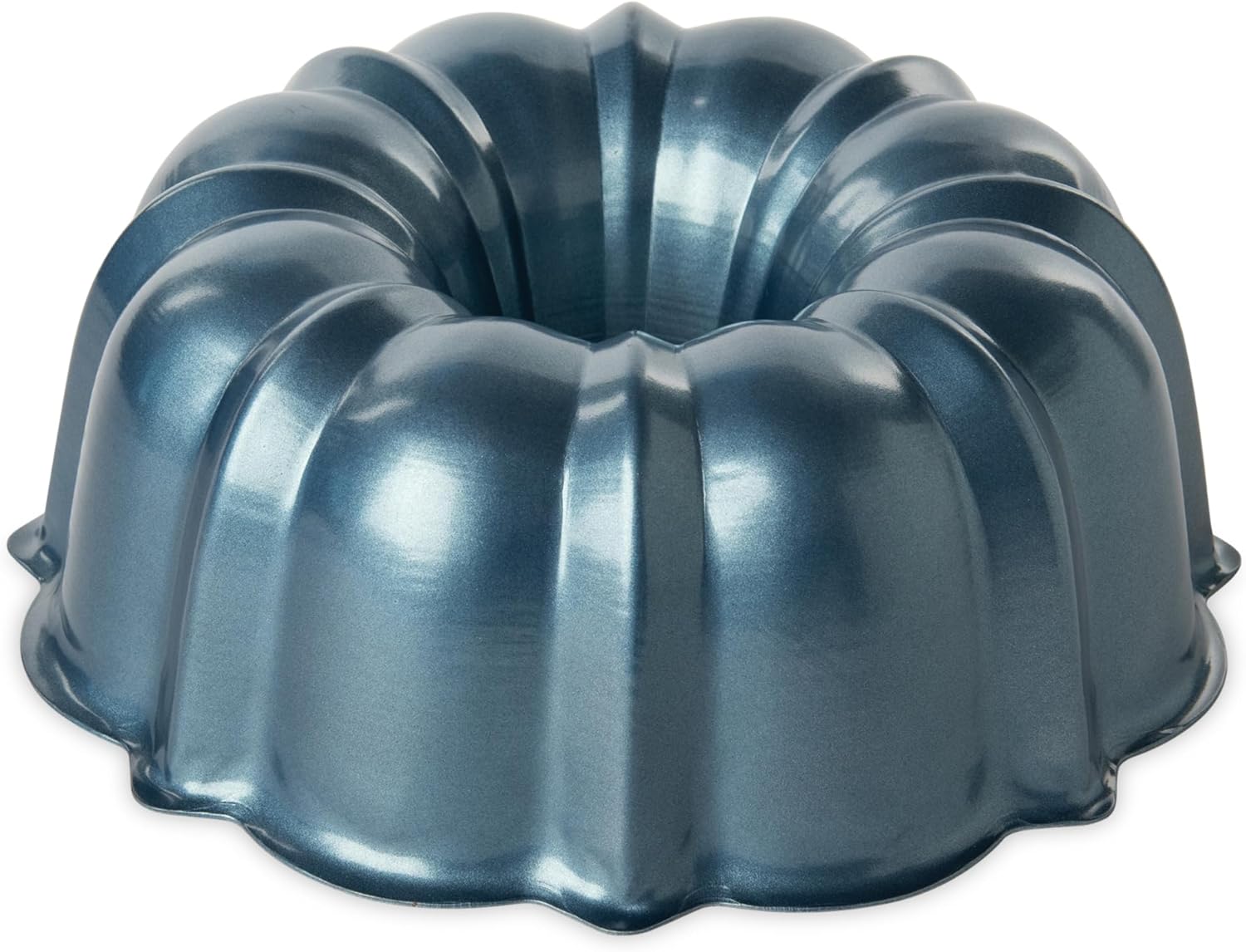
Exterior finishes also vary, ranging from classic metallic aluminum to striking twilight blue and gold hues. These color choices allow you to coordinate your bakeware collection with other kitchen accessories while maintaining high functional standards. Selecting a visually appealing pan enhances the overall baking experience, turning routine dessert preparation into an enjoyable creative outlet.
Frequently asked questions
How do I prevent bundt cakes from sticking to the pan?
Preventing cakes from sticking involves applying a thorough layer of oil, butter, or baking spray to every single crevice of the fluted tube pan before pouring in your batter. Many experienced bakers also dust the greased interior lightly with flour, sugar, or cocoa powder to create an extra physical release barrier. Ensuring your non-stick pan is clean and free of baked-on residue from previous uses further supports a smooth, clean release when inverting the cooled cake onto a serving plate.
What is the difference between carbon steel and aluminum bundt pans?
Carbon steel pans typically offer higher temperature tolerances, often supporting oven heat up to 450°F, along with heavy-duty construction that resists warping during intense baking sessions. Aluminum pans, conversely, excel at conducting heat evenly across the entire baking surface, which promotes consistent browning on delicate cakes and traditional desserts. Aluminum options are generally lighter in weight and usually require hand washing, whereas some carbon steel models offer dishwasher compatibility alongside their robust build and rigid structure.
Can I put my aluminum bundt pan in the dishwasher?
Aluminum bundt pans require hand washing and should not be placed in an automatic dishwasher under any circumstances. The harsh chemical detergents and high water temperatures used in automatic dishwashers can discolor, pit, and oxidize aluminum surfaces, degrading their protective finish over time. Washing your aluminum bakeware by hand using warm soapy water and a soft sponge preserves the exterior aesthetic and maintains the integrity of the interior non-stick coating for long-lasting performance in your home kitchen.
How do I choose between a 10-cup and a 12-cup capacity pan?
Choosing between a 10-cup and a 12-cup pan depends primarily on the volume of batter your favorite recipes typically produce. A 12-cup capacity accommodates larger family-sized desserts and standard cake mixes comfortably without risking overflow during the rising baking process. If you frequently bake smaller batches or prefer more compact dessert sizes, a 10-cup decorative swirl pan provides ideal proportions. Always match the pan volume carefully to your recipe requirements to prevent messy oven spills.
Why is my cake cracking or baking unevenly in a fluted tube pan?
Uneven baking or cracking in a fluted tube pan often relates to oven temperature accuracy, batter consistency, or improper heat conduction through the chosen bakeware material. Ensuring your oven is properly calibrated helps prevent sudden temperature fluctuations that ruin delicate desserts. Additionally, selecting a pan known for even heat distribution, such as formed aluminum or heavy-duty carbon steel, promotes balanced browning from the outer edges straight to the center tube during the entire baking cycle.