Appliances · Buying Guide
Best Bundt Pan With Removable Bottom Options for Clean Unmolding
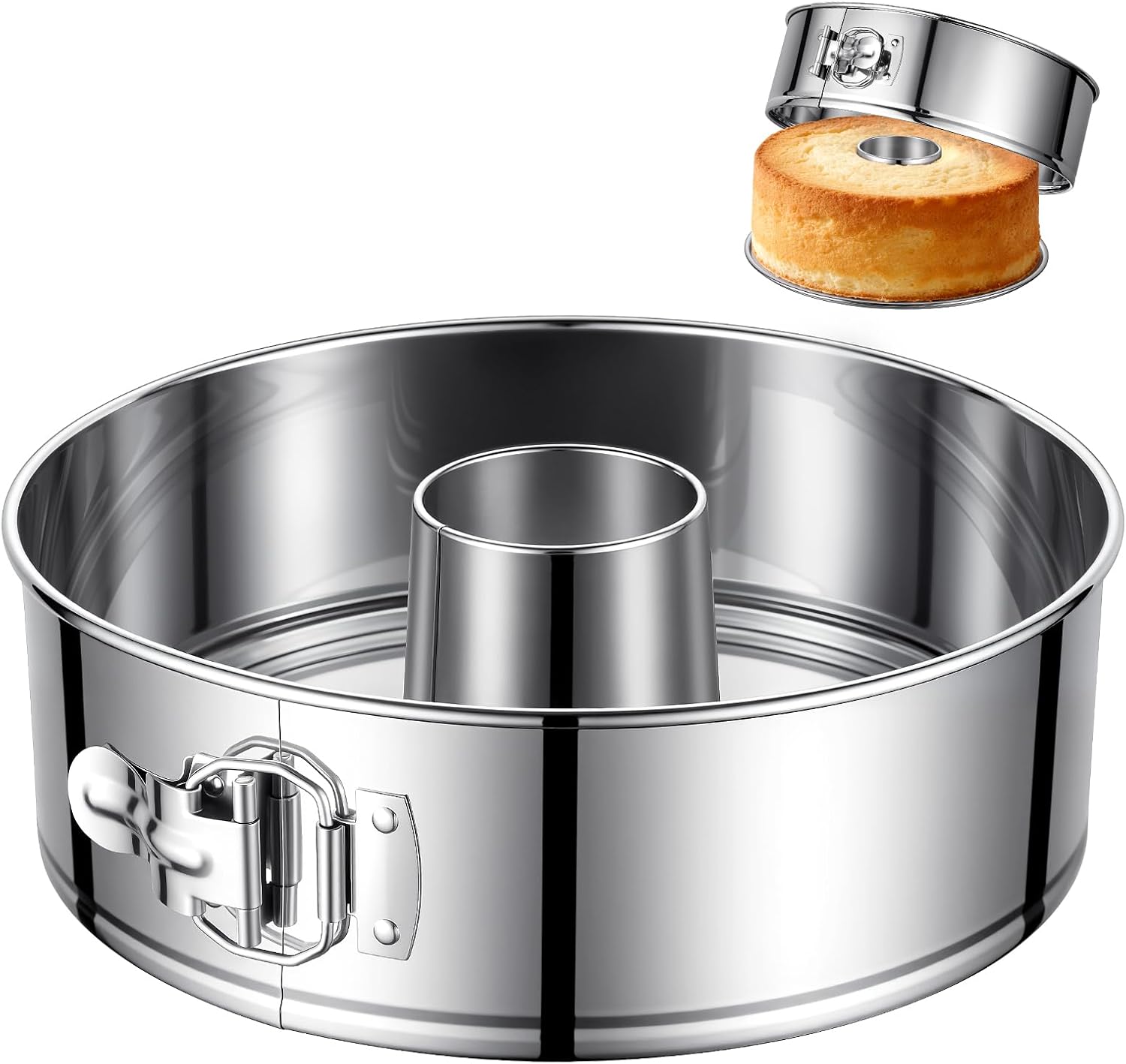
Baking delicate cakes like angel food, chiffon, pound, and traditional bundt recipes requires specialized bakeware that prevents sticking while allowing effortless removal. A bundt pan with removable bottom design offers a practical solution by letting bakers push cakes free from the outer walls without damaging their delicate crumb structures, fluted edges, or rising batters during the baking process.
Choosing the right baking tool depends on material preferences, desired capacity, and cleaning routines. Exploring available options helps home bakers find models matching their specific recipes, heat requirements, and kitchen maintenance habits, ensuring every dessert emerges intact and ready for presentation on the dining table or serving platter without unnecessary kitchen friction.
As an Amazon Associate, StacyLaughs earns from qualifying purchases.
Buying guide
Material Selection for Removable Bottom Pans
Selecting the right material for a removable bottom baking pan influences heat distribution, durability, and cleaning routines. Carbon steel models provide heavy-gauge stability and excellent thermal conductivity, helping cakes brown evenly while maintaining structural integrity across repeated baking sessions. Aluminum options offer lightweight handling and natural rust resistance, making them popular for specific baking styles. Stainless steel introduces food-grade durability and high heat tolerance without relying on traditional coatings.
Understanding these material differences helps buyers match pans to their specific recipes and maintenance habits. While aluminum requires hand washing to preserve its finish, some carbon steel and stainless steel versions offer dishwasher-safe convenience. Evaluating how each material interacts with oven temperatures ensures long-term satisfaction in the kitchen.
Nonstick Coatings and Release Mechanisms
Nonstick coatings play a major role in how easily delicate baked goods release from tube pans. Many carbon steel options feature multi-layer nonstick surfaces free from harmful chemicals like PFOA, BPA, and PTFE, which simplifies cleanup and prevents delicate sponge cakes from tearing. Removable bottoms and center tubes work together to separate the crumb from the outer walls cleanly.
Buyers should review coating specifications to understand recommended cleaning methods and utensil compatibility. While nonstick surfaces reduce the need for excessive greasing, they often require gentle hand washing with soft sponges to perform consistently over time. Choosing the right release mechanism prevents crumbled cakes and preserves presentation quality.
Capacity and Dimensional Considerations
Pan dimensions and volumetric capacity dictate which recipes fit comfortably into your bakeware collection. Standard tube pans typically range from 9.5 to 10 inches in diameter, accommodating standard mix batches or larger 16-cup volumes. Tighter inner bottom diameters or shallower heights can influence batter expansion, especially for airy desserts like angel food or chiffon cakes that rely on vertical rise.
Checking dimensions against your oven size and recipe volume prevents overflow issues during baking. Taller sidewalls provide extra room for batters to climb, while broader bases offer stability on oven racks. Matching pan dimensions to your typical baking volume ensures consistent results across different dessert types.
Cooling Features and Airflow Design
Angel food and chiffon cakes require inverted cooling to prevent them from collapsing as they set. Some removable bottom pans incorporate integrated feet or cooling tabs that elevate the inverted pan above the counter surface, eliminating the need to balance the tube over a glass bottle. This design supports proper air circulation beneath the base.
When pans lack built-in feet, bakers must rely on external supports or bottle necks to achieve the necessary inverted airflow. Evaluating whether a pan includes integrated cooling elevations helps streamline the post-baking routine. Proper cooling clearance maintains the light, fluffy texture characteristic of specialty tube pan desserts.
Temperature Ratings and Oven Safety
Oven temperature limits vary among baking pans depending on their construction materials and nonstick treatments. Many carbon steel and aluminum models are rated for temperatures between 400 and 450 degrees Fahrenheit, while specialized stainless steel variants can handle up to 500 degrees. Exceeding these manufacturer specifications can compromise nonstick coatings or warp the metal structure over extended use.
Reviewing the upper temperature rating ensures the pan safely accommodates high-heat baking techniques required for certain specialty recipes. Matching your oven settings to the rated thresholds protects the bakeware investment and prevents accidental damage. Always verify temperature limits before preheating ovens for specialized baking projects.
Cleaning and Maintenance Guidelines
Proper maintenance extends the lifespan of removable bottom baking pans and preserves their functional surfaces over years of use. While certain models feature dishwasher-safe construction for quick cleanup, others explicitly recommend gentle hand washing with mild soap and soft sponges to protect delicate nonstick coatings. Allowing pans to dry completely before storage prevents moisture accumulation and potential surface corrosion.
Adhering to manufacturer care instructions avoids premature wear and tear on specialized coatings, springs, and latches. Establishing a consistent cleaning routine keeps your bakeware ready for future recipes without compromising release performance or food safety. Selecting a pan with maintenance requirements that fit your lifestyle ensures long-term usability in busy kitchens.
Frequently asked questions
How do you remove a cake from a bundt pan with a removable bottom?
Removing a cake from a removable bottom pan involves letting the dessert cool completely according to recipe instructions. Once cooled, run a thin spatula gently around the outer edges and center tube if necessary. Place your hands underneath the removable base or push upward on the bottom plate while holding the outer ring, allowing the cake body to lift free from the outer walls. Transfer the cake carefully onto a serving platter before separating the flat base from the crumb.
Can these pans prevent batter from leaking during baking?
Removable bottom pans rely on precision-fit joints or springform latches to hold liquid batters securely. While many models feature tight tolerances to stop leaks, very thin or watery batters may occasionally seep through unsealed seams if the base is not properly seated. Checking that the removable bottom disk sits flush within the outer ring before pouring batter helps minimize potential drips and keeps your oven cleaner during the baking process.
Do I need to grease a nonstick removable bottom pan?
Even when using pans equipped with advanced nonstick coatings, many bakers choose to apply a light layer of shortening, butter, or cooking spray depending on the specific recipe requirements. Delicate sponge and angel food cakes often rely on ungreased surfaces to climb the center tube, whereas heavier pound cakes and bundt variations benefit from light greasing and flouring. Always consult your specific recipe guidelines to determine the appropriate preparation method for your chosen dessert.
How should I cool an angel food cake baked in a tube pan?
Angel food and chiffon cakes require inverted cooling to prevent them from deflating while cooling down. If your pan features integrated cooling feet, simply flip the pan upside down immediately after removing it from the oven, allowing the feet to elevate the base above the counter. For pans without built-in feet, invert the center tube over the neck of a glass bottle or funnel until the cake reaches room temperature before attempting removal.
Are removable bottom tube pans dishwasher safe?
Dishwasher safety depends entirely on the specific manufacturer instructions provided for each individual model. While some carbon steel and stainless steel pans allow dishwasher cleaning, many aluminum and coated nonstick options explicitly require gentle hand washing to preserve their surface finishes. Putting nonstick or aluminum bakeware into a dishwasher can cause discoloration, scratching, or degradation of the coating over time. Always check the product specifications before placing any baking pan in the dishwasher.