Appliances · Buying Guide
Best Cake Molds for Baking: Essential Pans for Every Recipe Type
Finding the right cake molds for baking depends heavily on the specific recipes you plan to tackle in your home kitchen. Whether you are crafting delicate cheesecakes, multi-layered celebration tortes, or traditional ring cakes, having the correct pan shape and material ensures proper heat distribution and reliable food release.
Different baking projects require distinct designs, ranging from springform buckles for fragile desserts to decorative fluted tubes and standard rectangular sheets for everyday treats. Reviewing these available options helps match your specific cooking habits with practical bakeware features designed for consistent results across all your favorite homemade baked goods.
As an Amazon Associate, StacyLaughs earns from qualifying purchases.
Buying guide
Material Selection for Optimal Heat Conduction
Selecting the appropriate material for cake molds significantly influences heat distribution, browning quality, and overall durability. Aluminized steel options blend structural steel strength with aluminum thermal conductivity, ensuring your batters receive steady heat across the entire bottom surface. This balance prevents hot spots that can cause uneven rising or burnt edges during longer baking times in standard ovens.
Alternative choices include heavy-duty carbon steel and similar metal alloys designed to withstand high oven temperatures without warping. When evaluating materials, consider how each metal interacts with your preferred cleaning habits and recipe types. Certain metals support dishwasher cleaning, while others require gentle hand washing to maintain protective non-stick coatings over years of regular kitchen use.
Understanding Non-Stick Coatings and Release
Non-stick coatings play a vital role in ensuring your baked goods slide out smoothly without tearing or leaving crumbs behind. Premium double-layer or silicone-infused coatings reduce the necessity for heavy greasing or flour dusting, which is especially helpful for intricate designs like fluted tube pans or detailed tiered tortes. This smooth release protects the delicate exterior appearance of cakes.
However, these specialized surfaces demand careful handling to prevent scratching from metal utensils or abrasive sponges. Reviewing manufacturer care guidelines helps determine whether a particular pan tolerates automatic dishwashing or if manual cleaning with warm soapy water is necessary. Proper maintenance preserves the non-stick longevity, ensuring consistent food release bake after bake.
Selecting the Right Shape and Design
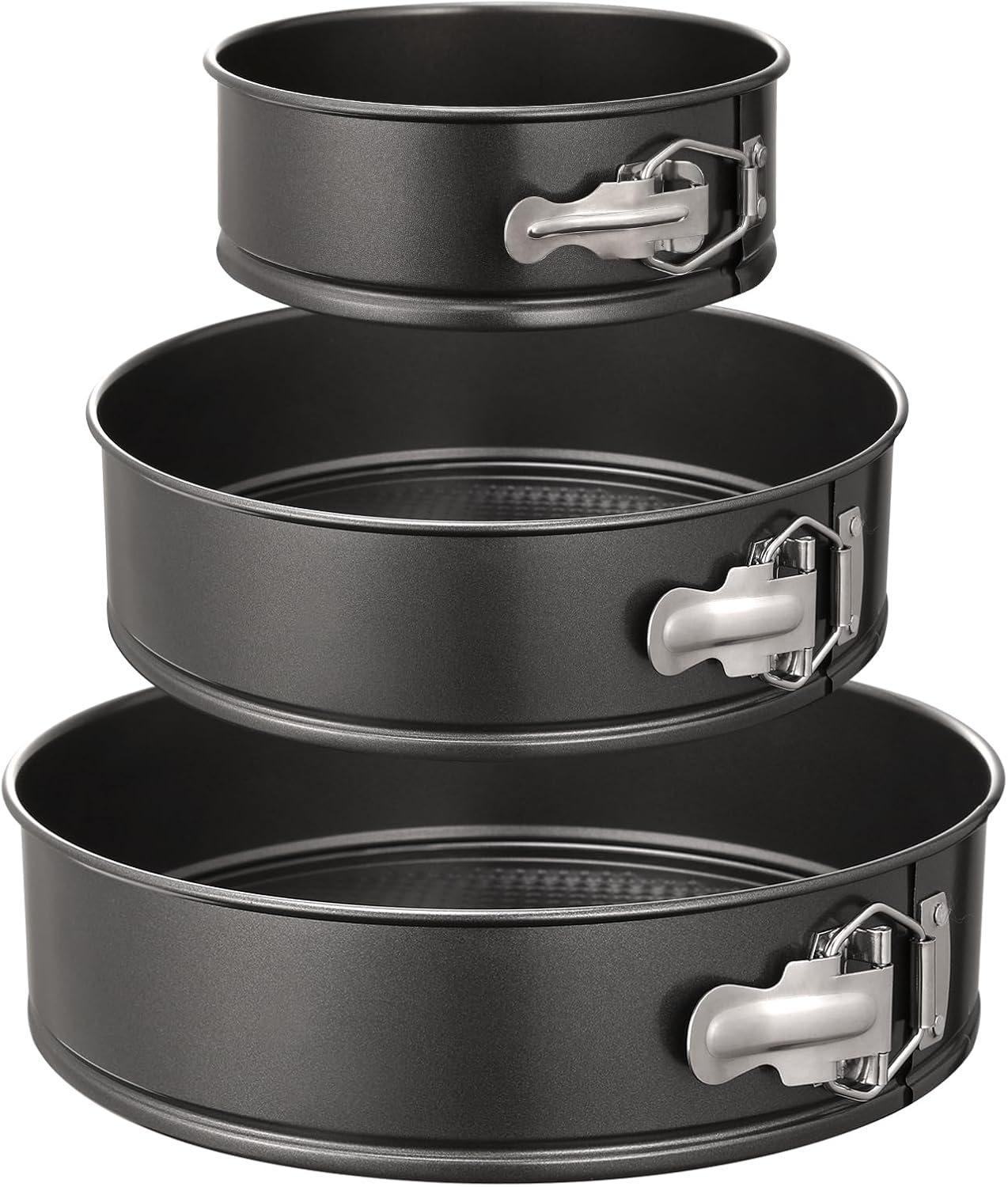
The physical shape of your baking mold dictates which recipes you can successfully prepare in your kitchen. Standard round and rectangular pans accommodate everyday layer cakes and casseroles, while springform pans with latch mechanisms are essential for fragile desserts like cheesecakes and quiches that cannot be inverted. Matching the shape to your baking habits avoids storage clutter.
Fluted tube and ring designs feature central cores that promote rapid, even baking for dense pound cakes and gelatin molds. Assessing whether you need versatile multi-piece sets or specialized single-purpose molds ensures your bakeware collection meets your culinary goals. Each design offers specific mechanical advantages depending on whether your recipe requires inversion or side-release buckles.
Sizing Options for Different Recipe Scales
Bakeware dimensions directly influence portion sizes and whether your favorite recipes fit comfortably inside your oven. Multi-piece sets featuring graduated diameters like six, eight, and ten inches allow bakers to construct impressive multi-tiered celebration cakes for birthdays and gatherings. Having multiple sizes provides incredible flexibility when scaling recipes up or down for various guest counts.
Standard nine by thirteen-inch rectangular pans suit large sheet cakes, brownies, and savory family casseroles. Before purchasing, verify your oven interior dimensions and cabinet storage capacity to ensure the pans fit smoothly during both baking and storage. Proper sizing prevents overcrowding in the oven, whichairflow blockages and uneven browning.
Managing Maintenance and Cleaning Requirements
Maintenance requirements vary widely among different cake molds based on their construction materials and surface coatings. Some heavy-duty metal pans offer dishwasher-safe convenience, letting you clean up quickly after large baking projects. Other specialized pans explicitly recommend gentle hand washing with warm soapy water to protect delicate non-stick finishes from harsh detergents and high heat cycles.
Evaluating your willingness to perform manual cleanup versus relying on machine washing helps guide a practical purchase. Pans with latches, intricate flutes, or corrugated surfaces may require extra attention around crevices to remove baked-on residue completely. Choosing bakeware that fits your lifestyle ensures you can enjoy baking without dreading the post-baking cleanup process.
Evaluating Durability and Warping Resistance
Long-term durability depends heavily on gauge thickness and metal quality, which prevent warping during frequent high-temperature baking. Heavy-gauge aluminized or carbon steel maintains its structural integrity over countless baking sessions, resisting the popping or bending that thinner metals often exhibit under thermal stress. Investing in sturdy construction prevents uneven baking surfaces.
Sturdy pans hold their shape reliably, ensuring your round layers and rectangular sheets remain uniform and professional-looking. Checking weight specifications and material reinforcement helps identify pans built to withstand years of regular home use. A robust frame protects your investment, providing consistent thermal performance and dependable shape retention across every baking adventure.
Frequently asked questions
Should I grease a non-stick cake pan before baking?
While non-stick coatings are designed to promote easy food release without extensive preparation, applying a light layer of shortening, butter, or cooking spray is still a common practice for delicate recipes. Cakes with high sugar content or intricate details, such as fluted tube molds, benefit greatly from minor greasing to guarantee that every crumb and corner releases cleanly. Reviewing your specific recipe instructions will help determine whether additional greasing is necessary to protect the final presentation of your homemade baked goods.
Can I use metal utensils on non-stick cake molds?
Using metal utensils on non-stick cake molds is generally discouraged because knives, metal spatulas, and forks can easily scratch or gouge the protective coating. Scratches compromise the non-stick surface, causing future baked goods to stick and accelerating wear on the pan. Instead, opt for silicone, rubber, or wooden tools when loosening edges or transferring cakes out of the mold. Protecting the coating ensures your bakeware maintains its smooth release performance over years of regular kitchen use.
Why is hand washing recommended for many cake pans?
Manufacturers often recommend hand washing cake pans to preserve the longevity of specialized non-stick coatings and prevent discoloration from harsh automatic dishwasher detergents. High heat cycles and aggressive detergent chemicals found in dishwashers can degrade non-stick surfaces over time, reducing their effectiveness. Hand washing with warm soapy water and a soft sponge gently removes residue while protecting the integrity of the metal and any protective coatings applied during manufacturing processes.
What is the advantage of using a springform pan?
Springform pans feature removable outer walls attached with a stainless steel buckle and a flat base, making them indispensable for delicate desserts like cheesecakes, quiches, and mousses. Because these recipes cannot be inverted to release the baked goods without ruining their structure, the side-release mechanism allows you to unlatch and lift the outer ring away cleanly. This design ensures your fragile layered creations remain completely intact and beautifully presented for any occasion.
How do I prevent my cakes from sticking in fluted tube pans?
Preventing cakes from sticking in fluted tube pans involves a combination of thorough greasing and proper cooling techniques. Because these pans feature intricate grooves and a center tube, carefully applying butter or baking spray into every crevice before pouring the batter is essential. After baking, allowing the cake to cool inside the pan for a specific duration helps it set before attempting inversion, ensuring the delicate shape slides out intact onto your serving platter.