Appliances · Buying Guide
Best Cane Banneton Proofing Baskets for Artisanal Sourdough
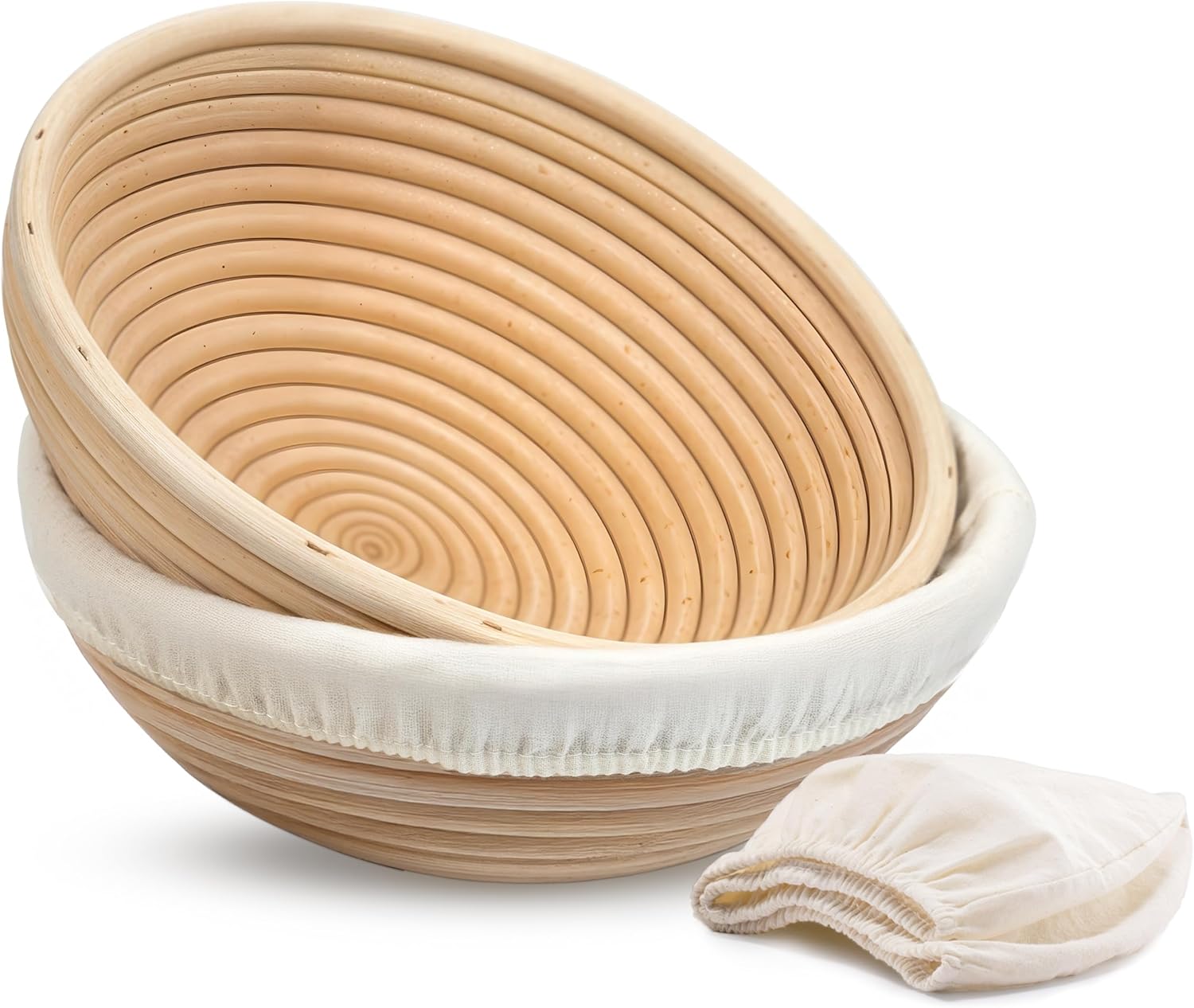
Baking artisan sourdough at home relies heavily on proper dough support, and a cane banneton proofing basket offers the traditional structure needed for a professional rise. These handcrafted rattan bowls help shape your boules while managing surface moisture, promoting crisp crusts, and supporting your favorite bread recipes every single day without complicated tools or equipment.
Whether you are baking a single loaf or managing multiple baking batches for family gatherings, selecting the right basket size and material ensures your dough maintains its form during its final rise. We review five popular cane bannetons to help you find the ideal match for your kitchen routine without unnecessary guesswork or complicated preparation steps.
As an Amazon Associate, StacyLaughs earns from qualifying purchases.
Buying guide
Material Quality and Natural Cane
Selecting a cane banneton proofing basket starts with examining the natural material used in its construction. Premium Indonesian rattan provides the ideal balance of breathability and structural support for your sourdough dough. Natural cane absorbs surface moisture effectively, which helps form the essential outer skin required for a truly crispy crust during high-heat baking.
Avoid synthetic substitutes that trap excessive moisture or lack the traditional porosity of woven plant fibers. Genuine rattan feels smooth, odor-free, and splinter-free to the touch when properly finished by manufacturers. Inspecting the weave density ensures your basket will withstand years of flour dusting and dough resting without losing its shape or structural integrity.
Sizing and Dough Capacity
Choosing the correct dimensions for your proofing basket depends heavily on your typical recipe batch size. Standard nine-inch round baskets comfortably hold between 1.5 and 2.2 pounds of dough, making them highly versatile for everyday home baking sessions. Matching your basket capacity to your preferred flour, water, and salt measurements prevents overcrowding or loose dough shaping.
If you frequently scale up your recipes for larger households, selecting high-capacity options ensures your dough stays well-supported during its final rise. Conversely, baking smaller loaves in oversized bowls can cause the dough to flatten out rather than rise upward. Evaluate your standard batch weights carefully before settling on a specific basket set for your kitchen.
Liners Versus Bare Cane
Deciding whether to use fabric basket liners or expose your dough directly to the bare cane involves a balance of texture and convenience. Bare rattan creates classic spiral ridges on your bread crust by allowing direct contact and controlled airflow. However, this method requires thorough flour dusting to prevent the wet dough from sticking permanently to the wooden coils.
Fabric liners provide a smooth surface that simplifies dough release, especially for sticky high-hydration sourdough recipes. Liners also double as handy covers to protect your resting dough from drafts. Many bakers keep both options available, using bare cane for decorative patterns and linen liners when handling exceptionally moist or delicate artisan dough formulations.
Cleaning and Maintenance Needs
Proper maintenance extends the lifespan of your cane banneton proofing basket significantly. After each baking session, allow the basket to dry completely in a cool, well-ventilated area before storing it away. Gently tap out any excess flour or dried dough residue using a soft brush rather than submerging the natural rattan in standing water.
Avoiding harsh detergents prevents chemical absorption into the porous cane material. If fabric liners require washing, rinse them in cool water with mild solutions or vinegar to avoid shrinkage and detergent residues. Consistent, gentle care prevents mold growth and preserves the natural moisture-absorbing properties of your rattan proofing bowls for future baking projects.
Storage and Kitchen Footprint
Evaluating your available kitchen storage space is essential when purchasing multi-pack proofing baskets. Round nine-inch rattan bowls take up considerable shelf space, especially if you own multiple baskets for simultaneous multi-loaf baking days. Ensure your pantry or kitchen cabinets can comfortably accommodate these wide bowls without crushing or deforming their handcrafted woven structures over time.
Stacking lightweight baskets vertically can save valuable space, provided you avoid placing heavy kitchen items on top that might crack the natural cane fibers. Keeping your baskets in a dry location with good air circulation prevents ambient humidity from damaging the material between baking cycles. Thoughtful storage planning keeps your baking gear organized and ready for action.
Beginner-Friendly Features and Extras
Starting your sourdough journey is much smoother when your proofing basket set includes helpful beginner guides or companion tools. Instruction manuals outline proper dough handling, flour dusting techniques, and essential maintenance steps to eliminate common baking mistakes. Some modern kits even integrate digital application assistants for schedule tracking and starter analysis to boost your confidence.
While extras like recipe booklets and elastic liners add convenience, your primary focus should remain on the core quality of the rattan basket itself. Assess whether these added accessories genuinely support your baking style or simply add clutter to your kitchen drawers. Choosing thoughtfully curated sets ensures you get maximum practical value from your investment.
Frequently asked questions
How do I prevent sticky sourdough dough from sticking to my cane banneton proofing basket?
Preventing dough from sticking requires thorough dusting with flour before placing your shaped loaf inside. Many experienced bakers recommend using rice flour because it resists absorption better than standard wheat flour, creating a reliable barrier against moisture. If your dough is exceptionally wet or high-hydration, using the included fabric liner provides an effortless release without sacrificing structural integrity during the final proofing stage. Always let excess flour shake out gently after use.
Can I wash my rattan proofing basket with soap and water?
Submerging natural rattan proofing baskets in soapy water is generally discouraged because the porous cane material absorbs moisture and can harbor mold or lose its structural shape. Instead, allow leftover flour or dried dough to dry completely, then gently brush or tap it out. If stubborn residue remains, lightly wipe the surface with a damp cloth without using harsh chemical detergents. Fabric liners can be washed separately in cool water with mild rinses as needed.
What size sourdough loaf fits into a standard nine-inch round banneton basket?
Standard nine-inch round proofing baskets typically accommodate dough weights ranging from 1.5 to 2.2 pounds. This capacity makes them ideal for crafting classic medium-sized boules that fit comfortably inside standard Dutch ovens or baking stones. If you routinely bake larger family-sized loaves, ensure your chosen basket specifies a higher dough capacity to prevent the dough from spilling over the rim during its final rise on your kitchen counter.
Do I need to use the fabric liner, or is bare rattan better?
Using bare rattan or fabric liners comes down to your personal crust preference and recipe type. Bare cane allows direct contact between the dough and the woven coils, creating distinct, attractive spiral patterns on your baked crust while helping manage surface moisture. Fabric liners offer a smoother release for very sticky, high-hydration doughs and prevent flour from getting embedded in the wood. Many bakers switch between both methods depending on the specific sourdough recipe being prepared.
How should I store my banneton baskets when they are not in use?
Proper storage is essential to maintain the longevity and cleanliness of natural rattan baskets. Always ensure the baskets are completely dry before putting them away in a cool, dry cupboard or pantry to prevent mold growth caused by trapped residual moisture. Avoid stacking heavy kitchen pots or appliances on top of your proofing baskets, as the pressure can crack or distort the delicate woven cane structure over extended periods of time.