Appliances · Buying Guide
Best Ceramic Bread Loaf Pans for Every Baking Style
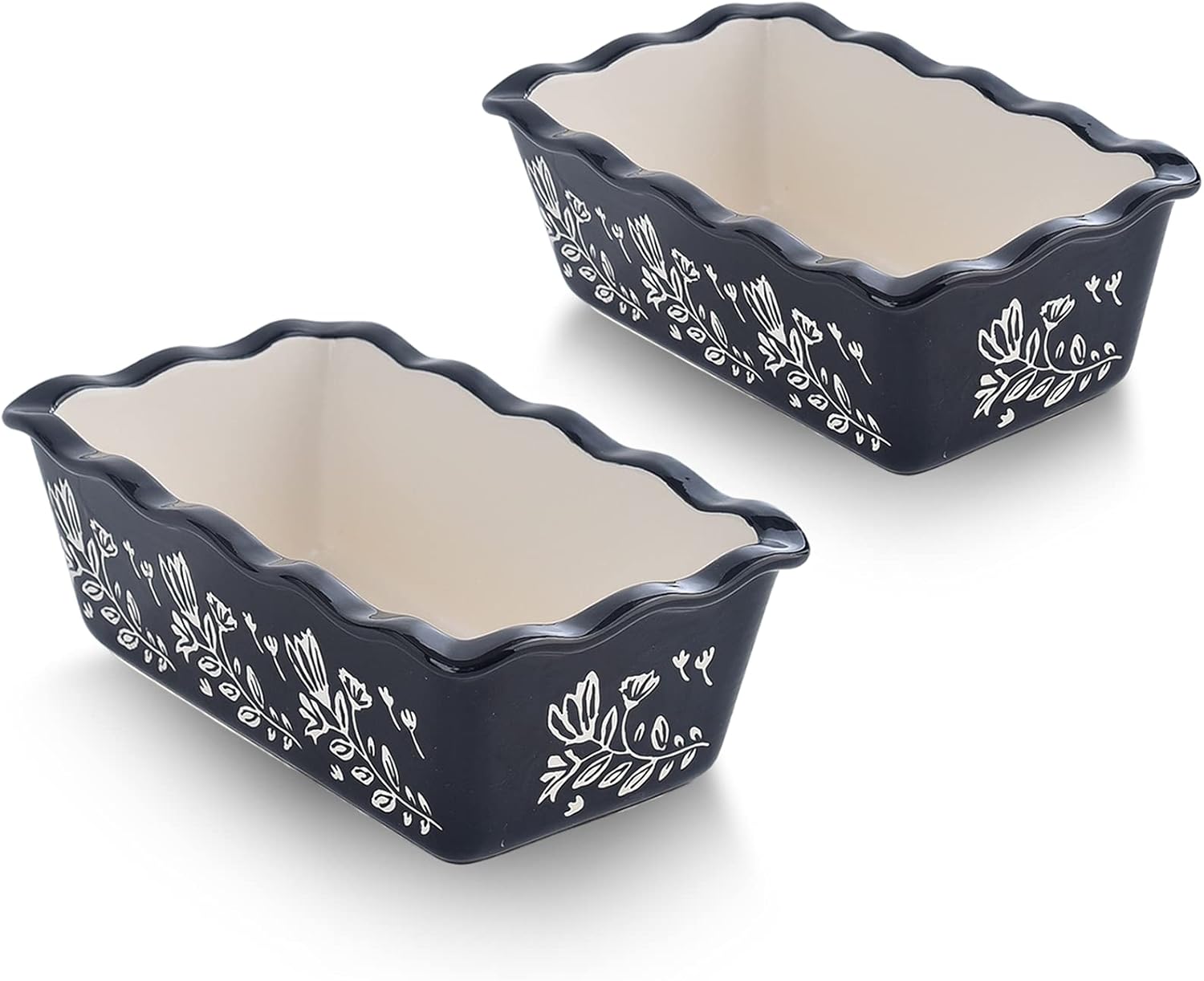
Choosing the right ceramic bread loaf pan can completely change how your homemade loaves, pound cakes, and savory meatloaves bake, brown, and release from the oven. Ceramic and ceramic-coated bakeware options offer distinct material benefits, ranging from thick porcelain heat retention to sturdy metal cores paired with modern nonstick interior surfaces designed for everyday kitchen use.
Whether you prefer vibrant hand-painted patterns for direct table service or durable steel-reinforced designs built for routine baking, understanding these varied options helps match your specific cooking habits. Exploring these choices ensures you select a reliable baking dish that fits your favorite recipes, temperature limits, and cleaning preferences without hassle.
As an Amazon Associate, StacyLaughs earns from qualifying purchases.
Buying guide
Material Composition and Heat Distribution
Selecting between pure ceramic stoneware and ceramic-coated aluminized steel shapes how your bread bakes. Pure ceramic materials offer exceptional heat retention, keeping baked goods warm long after leaving the oven. They provide heavy-duty structures that resist stains and odors effectively during frequent cooking tasks.
On the other hand, metal-core pans with ceramic coatings transfer heat rapidly for consistent browning across sweet and savory recipes. Understanding your preferred baking results helps determine whether a thick porcelain dish or a reinforced steel option suits your kitchen routine best.
Dimensions and Capacity Requirements
Bread loaf pans vary significantly in physical dimensions, holding anywhere from compact one-pound portions to large four-cup capacities or extended rectangular shapes. Measuring your oven space and checking standard recipe requirements prevents overflow issues or underfilled pans. Larger pans easily accommodate family-sized meatloaves, while smaller models suit single loaves.
Pay attention to external measurements versus internal cooking areas, especially if you store bakeware in tight kitchen cabinets. Selecting the right physical footprint ensures your pans fit comfortably alongside other baking essentials without creating storage bottlenecks.
Temperature Limits and Thermal Shock
Different loaf pan constructions handle extreme heat differently, with many ceramic and stoneware models safely tolerating oven temperatures up to five hundred degrees Fahrenheit. Some specialized ceramic designs even permit direct transitions from cold freezers to hot ovens without cracking.
In contrast, metal-core pans with ceramic nonstick coatings often feature lower maximum temperature thresholds, such as four hundred twenty-five degrees. Matching your baking temperatures to the manufacturer limits protects your bakeware from damage.
Nonstick Performance and Surface Glazes
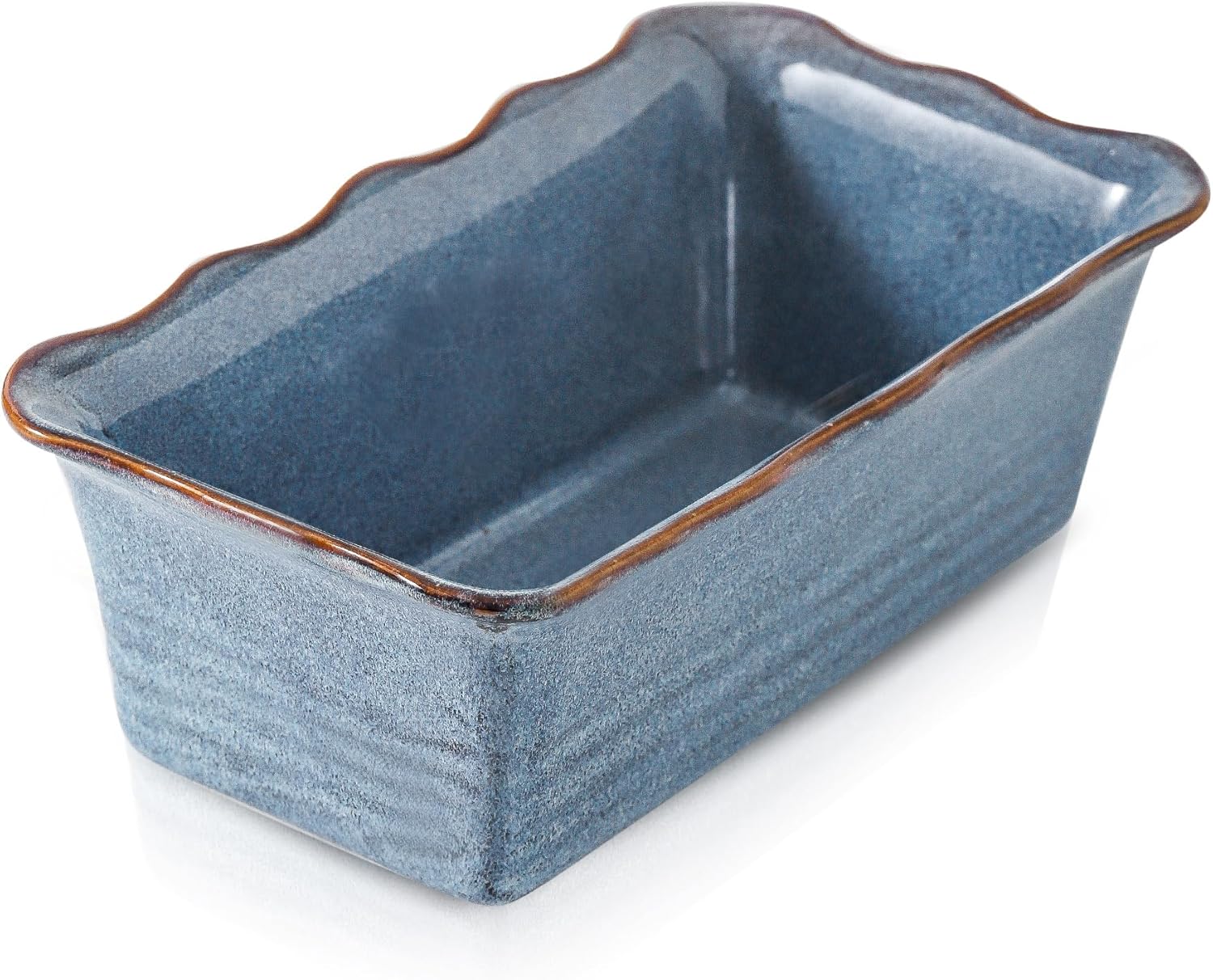
The interior surface of your loaf pan dictates how effortlessly your baked goods release after cooking. Nonporous ceramic glazes provide a naturally smooth release layer that resists staining and scratching during daily use.
Alternative ceramic nonstick coatings applied over steel cores offer reliable release properties without relying on PFAS or PFOA compounds. Evaluating these surfaces helps you minimize scrubbing time and maintain easy cleanup routines after baking sticky batters or savory dishes.
Cleaning and Maintenance Guidelines
Proper cleaning routines preserve the lifespan and appearance of your ceramic and ceramic-coated bakeware. Many porcelain and stoneware loaf pans are fully dishwasher safe, allowing for effortless cleanup after heavy baking sessions.
However, certain metal-core pans with ceramic nonstick coatings benefit from gentle hand washing to protect coating longevity over years of service. Following specific manufacturer care guidelines prevents premature wear and keeps your pans looking pristine.
Handling Comfort and Storage Design
Physical handling features like expanded rim handles, square-rolled edges, and side ears greatly influence how safely you maneuver hot pans. Textured handles provide a secure grip when wearing oven mitts.
Additionally, interior corner shapes matter; rounded corners simplify food removal and washing. Considering these ergonomic details ensures you select a loaf pan that feels comfortable and balanced during busy kitchen workflows.
Frequently asked questions
Can ceramic bread loaf pans go straight from the freezer to a hot oven?
Certain ceramic and porcelain loaf pans are engineered to withstand thermal shock, allowing them to transition directly from a cold freezer into a preheated oven without cracking. This capability lets you prepare dough or casseroles ahead of time, freeze them, and bake them immediately without swapping containers. However, you must always check the manufacturer specifications for your specific model, as metal-core pans with ceramic coatings or standard stoneware may not support extreme thermal shock transitions.
Are ceramic loaf pans safe to clean in the dishwasher?
Most ceramic, porcelain, and stone-based loaf pans are fully compatible with standard dishwasher cycles, offering convenient cleanup after baking sticky breads or desserts. Smooth glazed finishes resist staining and food adhesion, making machine washing straightforward. For metal-core pans featuring ceramic nonstick coatings, manufacturers often recommend gentle hand washing with mild soap to protect the longevity of the nonstick surface over extended periods, even when dishwasher safety ratings are officially provided.
What temperature limits should I watch for when baking with ceramic pans?
Maximum temperature limits vary depending on whether your loaf pan is crafted from pure ceramic stoneware or features a metal core with a ceramic coating. Many pure porcelain and stoneware baking dishes safely withstand oven heats up to five hundred degrees Fahrenheit. Conversely, options built with aluminized steel and ceramic nonstick coatings frequently have lower maximum thresholds, often capped around four hundred twenty-five degrees. Always verify your pan limits before high-heat baking.
Do ceramic nonstick coatings contain harmful chemicals like PFAS or PFOA?
Modern ceramic nonstick coatings applied to metal bakeware are commonly manufactured without the use of PFAS and PFOA compounds. This formulation provides a clean cooking surface that releases baked goods effortlessly without relying on traditional chemical treatments. Pure porcelain and ceramic pans naturally achieve nonstick performance through smooth, nonporous glazes rather than synthetic layers. Reviewing individual product specifications ensures you select bakeware aligned with your preferred material standards.
Why do some loaf pans feature side ears or extended rim handles?
Side ears and expanded rim handles are incorporated into bakeware designs to improve safety and control when moving heavy pans in and out of hot ovens. Wide rims and textured grips give your oven mitts a secure hold, reducing the risk of accidental slips. Additionally, features like square-rolled edges provide structural rigidity to prevent warping during high-heat baking. When choosing a pan, consider how these physical design elements affect your cabinet storage space.