Appliances · Buying Guide
Best Ceramic Coated Baking Pans for Every Kitchen Task
Choosing the right ceramic coated baking pans can transform everyday baking routines, offering smooth food release without relying heavily on extra fats or heavy greasing. These modern kitchen staples combine sturdy metal cores like carbon steel or heavy-gauge aluminized steel with specialized nonstick ceramic surfaces designed to simplify both baking and cleanup tasks.
Whether you need a comprehensive multi-piece kit for varied recipes or a sturdy single pan for specialized sheet cakes, carefully understanding material construction and temperature limits helps match cookware to your daily routine. Selecting suitable bakeware ensures consistent heat distribution, shape retention, and reliable performance across diverse everyday baking, roasting, and pastry-making projects.
As an Amazon Associate, StacyLaughs earns from qualifying purchases.
Buying guide
Material Construction and Core Metals
Choosing the correct core metal significantly impacts how your baking pans conduct heat and resist warping over extended periods. Carbon steel and heavy-gauge aluminized steel represent the primary structural foundations for modern ceramic coated bakeware options. Carbon steel offers rapid heat response for quick browning, while aluminized steel provides exceptional durability against everyday wear and moisture corrosion.
Carefully evaluating your typical recipes helps determine which metal core suits your daily kitchen habits best. Heavy-gauge options maintain structural stability under high oven temperatures much better than thin, lightweight alternatives. Understanding these foundational materials ensures you select pans that reliably retain their flat shape through countless baking and roasting sessions.
Understanding Temperature Limits
Every ceramic coated baking pan features a maximum temperature rating established by the manufacturer to protect the underlying metal and coating. Exceeding these specified thermal thresholds can damage nonstick surfaces or warp the pan structure during use. Most standard collections support temperatures up to 428 or 450 degrees Fahrenheit, while specialized heavy-duty options handle up to 500 degrees Fahrenheit safely.
Matching your cooking style to these thermal limits prevents accidental damage during high-heat roasting or intense broiling tasks. Reviewing the rated thresholds before purchasing ensures your bakeware aligns safely with your preferred recipes and culinary techniques. Always verify whether broiling is permitted under the specific manufacturer guidelines before exposing pans to direct broiler heat.
Evaluating Set Composition and Piece Variety
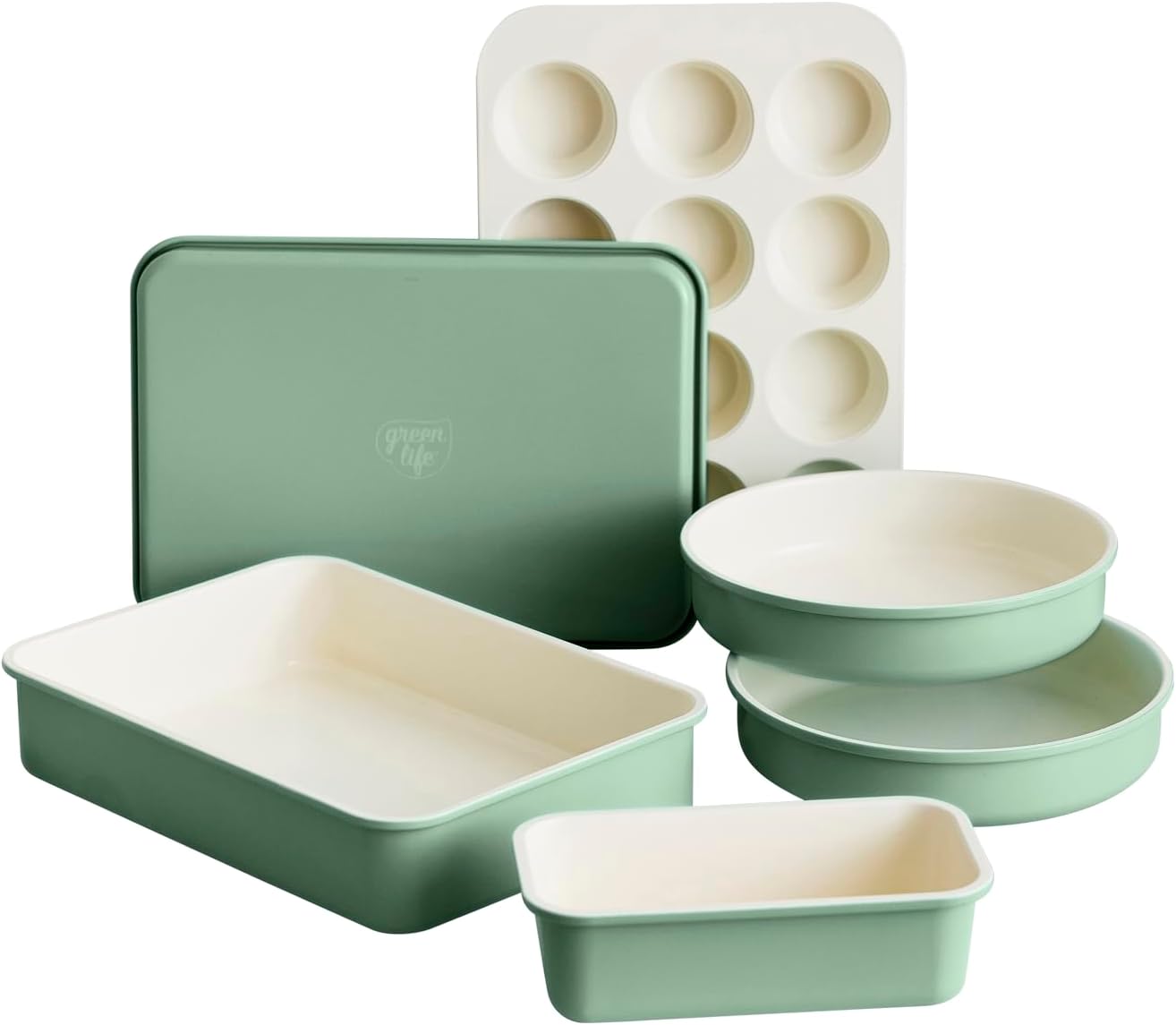
Bakeware sets range from compact six-piece collections to extensive ten or twelve-piece assortments featuring multiple sheet sizes, loaf pans, and muffin trays. Selecting the right configuration depends entirely on what you bake most frequently throughout the week. Comprehensive sets provide matching aesthetics and diverse pan types for varied everyday culinary projects.
Smaller sets or single specialty pans cater to bakers with specific focuses, such as sheet cakes, brownies, or batch cookies. Purchasing a pre-sorted collection eliminates the need to source individual items separately, though it naturally requires more storage space in crowded kitchens. Balance your kitchen inventory needs against available cabinet capacity before making your final purchase.
Cleaning and Maintenance Requirements
Proper maintenance preserves the nonstick qualities and visual appearance of ceramic coated baking pans over years of regular daily use. While select manufacturers approve dishwasher cleaning, many traditional carbon steel and aluminized steel sets require strict hand washing. Hand washing prevents harsh dishwasher detergents from degrading the specialized ceramic surface prematurely across countless baking sessions.
Adhering strictly to product care guidelines prevents rust, corrosion, and accidental scratching caused by abrasive scrubbers or metal kitchen utensils. Allowing hot pans to cool completely before washing also prevents thermal shock and structural warping. Factor your daily cleaning preferences into your purchasing decision to ensure long-term product satisfaction and reliable performance.
Storage and Space Management
Kitchen storage capacity plays a major role in determining which bakeware set brings the best practical value to your home. Nested designs and stackable sheet pans allow multiple pieces to occupy minimal cabinet footprints. These space-saving engineering features greatly benefit apartment kitchens and smaller homes with limited cupboard space available for everyday cooking gear.
Extensive ten or twelve-piece collections require dedicated organizational strategies to prevent scratching the ceramic coatings during daily stacking routines. Using protective pan separators or storing items vertically can safeguard your bakeware investment over time. Consider your available kitchen storage before committing to large multi-piece sets that demand broad shelf footprints across kitchen cupboards.
Handling Comfort and Design Features
Ergonomic design features such as expanded rim handles and removable silicone grips significantly improve safety when moving hot pans. Maneuvering heavy casseroles or loaded cookie sheets out of a hot oven requires secure, comfortable handholds. Features like rounded interior corners also simplify food removal and post-baking cleanup tasks across varied recipes.
Dimension markings stamped on rims provide quick size identification for bakers following complex recipes with multiple matching pans. Evaluating these thoughtful design touches helps you select cookware that feels comfortable and intuitive to use daily. Prioritizing handling ease prevents accidental spills and burns during busy kitchen baking sessions every day.
Frequently asked questions
Do ceramic coated baking pans require less oil or butter?
Yes, the nonstick ceramic surface featured on these various baking pans is specifically designed to facilitate smooth food release without requiring heavy greasing or excessive oil. While a light application of butter or oil can still enhance certain delicate pastries, the nonstick properties generally allow baked goods, roasted vegetables, and proteins to slide off metal surfaces easily with minimal sticking residue, thereby simplifying your overall daily baking experience.
Can ceramic coated baking pans go into the dishwasher?
Dishwasher safety varies significantly depending on the specific product manufacturer and the materials used in construction. While certain collections explicitly permit dishwasher cleaning for added convenience, many carbon steel and aluminized steel sets require strict hand washing to protect the ceramic nonstick coating and prevent rust or corrosion over time. Always carefully review the product care instructions provided by the manufacturer before placing any bakeware into a dishwasher.
What is the maximum temperature these pans can handle?
Maximum temperature ratings depend entirely on the specific bakeware set and its underlying material construction. Most carbon steel and ceramic coated sets safely support oven temperatures up to 428 or 450 degrees Fahrenheit, while heavy-gauge aluminized steel options can withstand up to 500 degrees Fahrenheit. Exceeding these rated thermal thresholds can damage the nonstick coating or warp the metal structure, so always check the manufacturer specifications before baking.
How do I prevent warping in ceramic baking pans?
Preventing warping involves carefully managing thermal shock and selecting durable, heavy-gauge materials. Thick carbon steel and aluminized steel with reinforced rolled rims naturally resist twisting under high temperatures. To protect your pans, avoid plunging hot baking sheets directly into cold water, as sudden temperature drops can easily bend the metal. Allowing pans to cool completely before washing helps maintain their flat shape and structural integrity across countless baking sessions.
Are ceramic coated baking pans safe from toxic chemicals?
The ceramic coated baking pans featured across these curated collections are manufactured without PTFE, PFOA, PFAS, or PFOS. Derived frequently from sand or advanced non-toxic materials, these ceramic nonstick coatings offer an alternative for bakers seeking cookware free from those specific chemical compounds. Always review individual product specifications to confirm the exact material certifications and free-from attributes associated with each specific brand or collection before making a final purchasing decision.