Appliances · Buying Guide
Best Cheesecake in a Muffin Tin Pans for Easy Baking
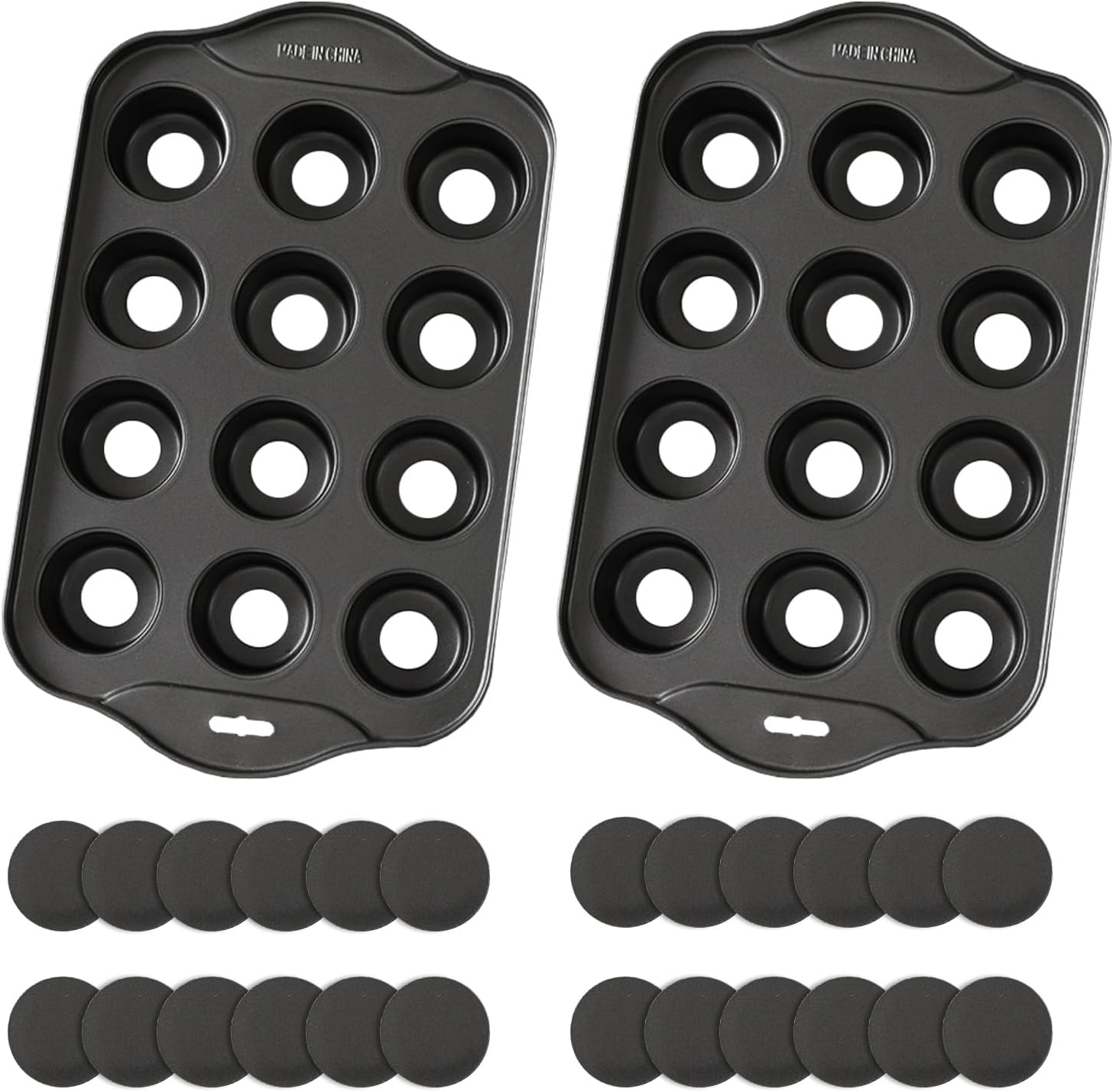
Baking individual portions of desserts requires specialized bakeware that simplifies the removal process without damaging delicate structures. Using a mini cheesecake pan designed with removable bottoms allows home bakers to prepare bite-sized treats like mini cheesecakes, cupcakes, and muffins efficiently. These pans feature individual cavities equipped with push-out discs, enabling smooth dessert release.
Selecting the right pan involves evaluating dimensions, material construction, and pack quantities to match your oven capacity and baking frequency. Carbon steel designs offer reliable heat distribution for consistent bakes, while nonstick coatings help streamline the cleaning process. Exploring various multi-cavity layouts ensures you find a practical tool for preparing bite-sized delights for family gatherings and special events.
As an Amazon Associate, StacyLaughs earns from qualifying purchases.
Buying guide
Material Composition and Durability
When selecting a pan for baking miniature desserts, material composition heavily influences longevity and baking performance. Carbon steel is the standard choice across these options due to its sturdy nature and ability to resist warping over time. Thickened commercial-grade variants provide extra structural integrity, ensuring the pan maintains its shape under heavy daily use in home kitchens.
Evaluating the thickness of the metal helps determine how well the bakeware withstands thermal shock. While standard carbon steel handles routine baking tasks effectively, heavier gauges offer enhanced durability. Matching the material grade to your baking frequency ensures your bakeware remains reliable through countless batches of bite-sized treats.
Cavity Capacity and Batch Size
Total cavity count dictates how many individual portions you can prepare in a single baking session. Multi-pack options offering twenty-four to thirty-six total cups suit large families or gatherings where high volume is necessary. Smaller single trays with twelve cups fit compact baking routines and standard meal preparations without overwhelming your oven space.
Consider your typical recipe yields and household size when choosing between single trays and multi-pack sets. Having extra capacity reduces the time spent waiting for pans to cool and reload between batches. Balancing batch volume with your available storage space ensures the bakeware remains practical for everyday use.
Removable Bottom Mechanisms
Removable bottom discs are essential for releasing delicate items like mini cheesecakes and tarts without breaking their crusts. Each cavity features a push-out base that pops upward, allowing you to lift the finished dessert cleanly from the outer ring. This mechanism prevents sticking and preserves the structural presentation of your bite-sized baked goods.
Inspecting how easily these loose discs fit inside the cavities helps ensure smooth operation during demolding. Some designs emphasize secure, leak-proof fits to contain batter, while others prioritize rapid cooling. Understanding how these movable parts function will streamline your dessert extraction process significantly.
Temperature Limits and Heat Distribution
Thermal limits vary across different carbon steel models, influencing which recipes you can safely prepare in your oven. Certain pans support temperatures up to 550 degrees Fahrenheit, while others cap out around 390 degrees. Checking the upper temperature rating ensures the bakeware aligns with your specific cooking requirements and prevents material degradation.
Even heat distribution across all cavities prevents burnt edges or undercooked centers in delicate miniature cakes. Carbon steel naturally promotes balanced thermal conductivity, helping achieve consistent bakes. Selecting a pan with reliable heat regulation ensures uniform results across every single cavity during every use.
Handling and Ergonomic Features
Moving hot pans in and out of the oven safely requires thoughtful ergonomic design and secure grip points. Some bakeware models incorporate silicone side handles that offer a nonslip, heat-protected hold for the user. These grip additions improve safety when handling heavy or fully loaded trays in tight kitchen spaces.
Rolled edges provide additional structural stability while giving your fingers a secure ledge to grasp when wearing oven mitts. Evaluating these physical handling features helps prevent accidental slips or spills. Prioritizing comfort and safety features enhances your overall confidence during baking sessions.
Maintenance and Cleaning Requirements
Cleaning multi-cavity bakeware with removable discs requires attention to detail, as food particles can lodge around the loose bases. Most carbon steel pans recommend hand washing and thorough air drying to protect nonstick coatings and prevent rust. Following manufacturer care guidelines extends the operational lifespan of your pans significantly.
Some heavy-duty models offer dishwasher-safe convenience, saving time during post-baking cleanup routines. However, checking whether loose components require manual scrubbing is crucial for daily maintenance. Choosing a cleaning routine that matches your household preferences ensures your baking equipment stays sanitary and ready.
Frequently asked questions
How do I prevent batter from leaking through the removable bottoms?
To minimize leaking, ensure the removable bottom disc is pressed flat and securely seated inside the cavity before pouring your batter. Using thicker batters, such as cheesecake mixtures or dense muffin doughs, naturally reduces seepage compared to extremely thin liquid batters. If your recipe requires a very runny batter, letting it chill slightly or lining the bottom with a small parchment round can provide extra containment. Always follow the manufacturer instructions for proper assembly to maintain a snug fit.
Can I use metal utensils on the nonstick surface of these pans?
Using metal utensils on the nonstick coating is strongly discouraged because sharp edges and metal tools can easily scratch and ruin the protective finish. Instead, opt for silicone, wooden, or plastic utensils when transferring or removing your baked treats from the cavities. Protecting the nonstick layer ensures easy food release and prevents premature wear, extending the overall lifespan of your carbon steel bakeware. Proper utensil selection remains a key part of routine maintenance.
Are these mini cheesecake pans dishwasher safe?
Dishwasher safety varies depending on the specific manufacturer guidelines for each bakeware model. While select commercial-grade trays permit dishwasher cycles, many carbon steel pans with removable bottoms explicitly recommend hand washing to preserve the nonstick coating and prevent corrosion. Hand washing also allows you to clean around the twenty-four or thirty-six individual loose bottom discs more thoroughly. Always check the product specifications before placing your trays in the dishwasher.
What is the best way to remove miniature cheesecakes without breaking them?
After baking and allowing your miniature cheesecakes to cool completely, gently push upward on the metal bottom disc from the underside of the outer tray frame. Supporting the dessert with your other hand, slide the baked treat off the small metal disc using a thin spatula or knife if necessary. Allowing the cheesecakes to chill in the refrigerator while still on their individual discs also helps firm up the structure before final demolding.
Do these pans fit inside standard household ovens?
Most mini cheesecake and muffin trays are designed with standard dimensions measuring around thirteen by eight inches, allowing them to fit easily inside typical home ovens. However, larger single-tray models measuring fifteen inches or more require careful pre-measurement of your oven interior racks to ensure proper clearance. Checking your specific oven dimensions before purchasing guarantees that the pan will slide in smoothly without hitting the oven walls.